
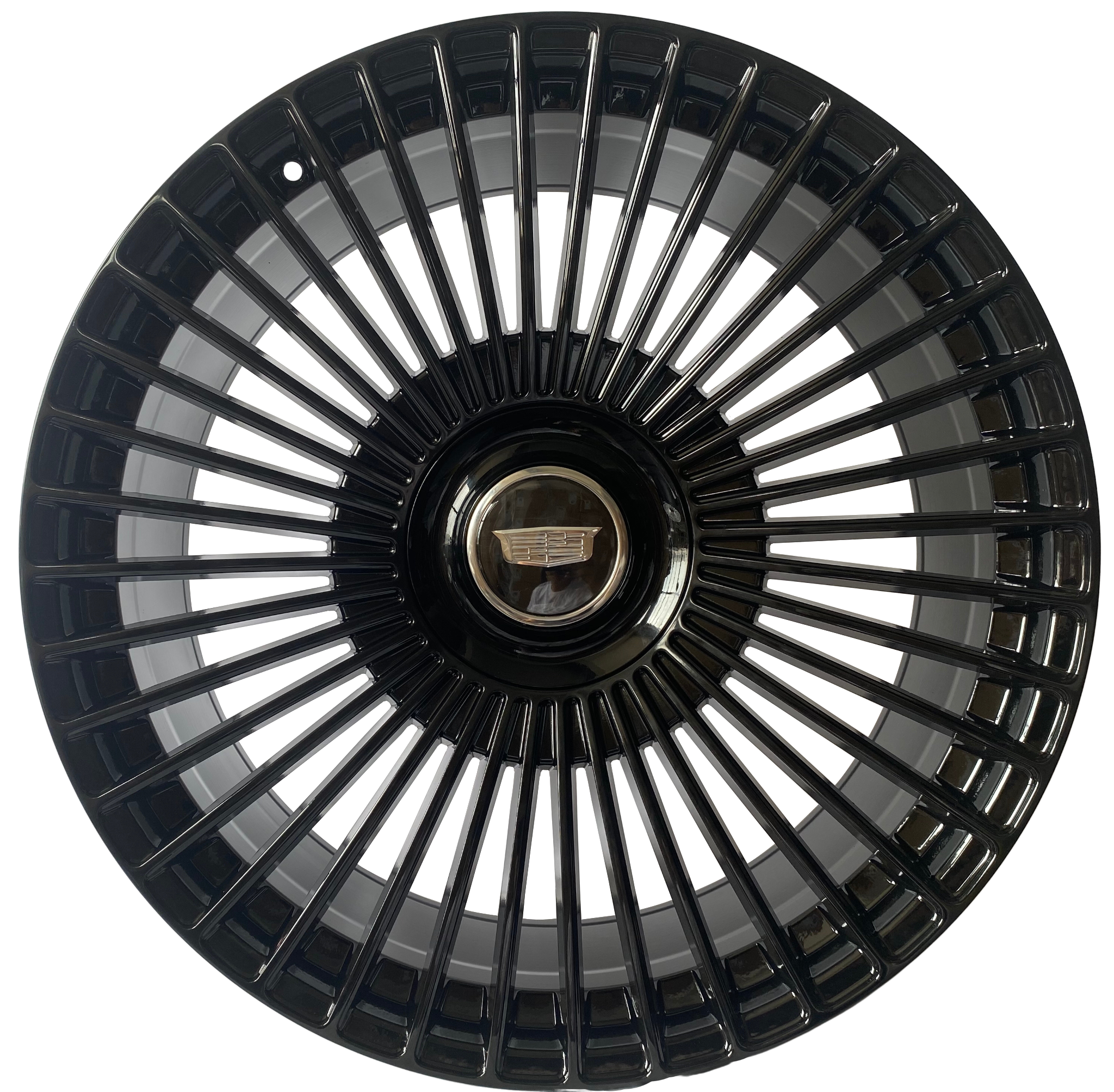


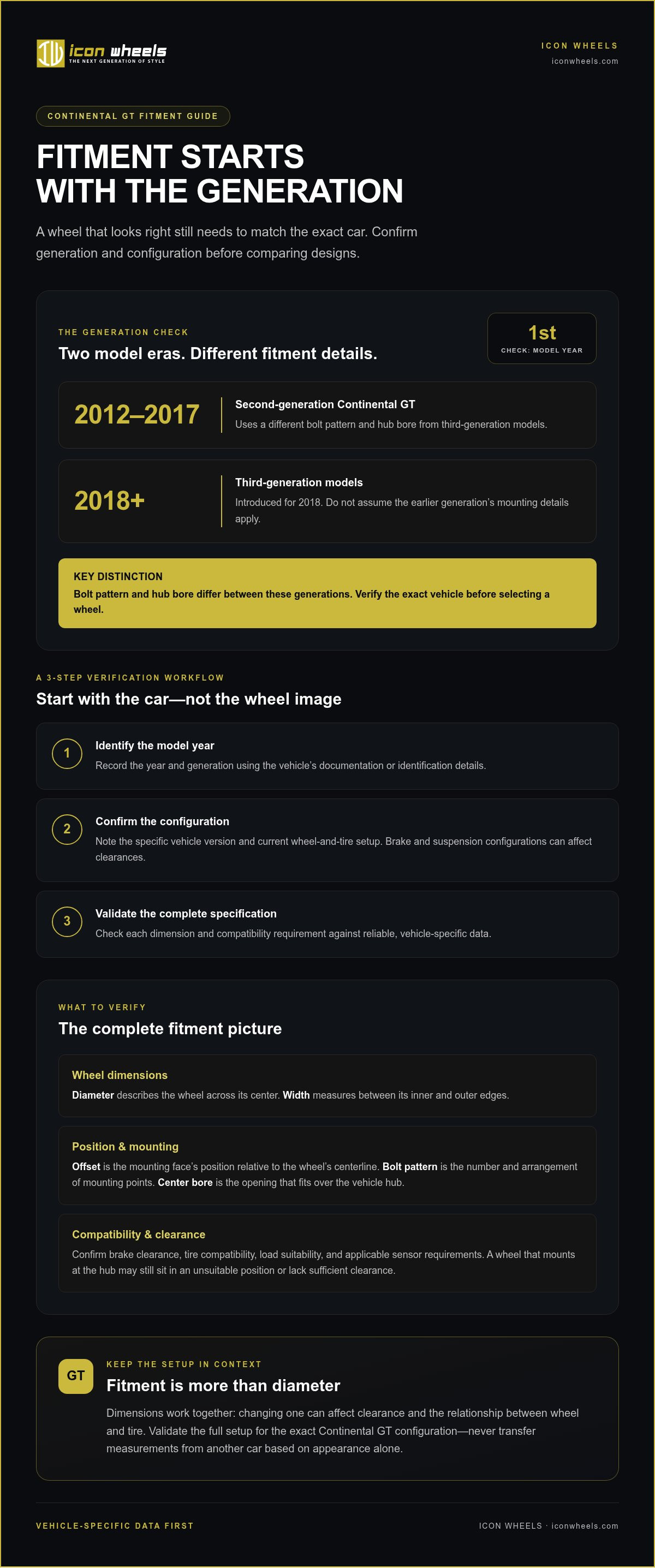
What if the wheel that looks perfect on your Continental GT is wrong for its generation, brakes, or overall character? Choosing custom forged wheels for bentley continental gt takes more than selecting a diameter and finish. Fitment details matter: second-generation cars from 2012-2017 use a different bolt pattern and hub bore from third-generation models introduced for 2018. Confirm the distinction before comparing designs.
A refined upgrade should sharpen the car’s stance without overwhelming its elegant lines. This guide explains how to assess vehicle-specific dimensions, offset, brake clearance, wheel construction, and finishes. You’ll learn what to compare beyond marketing language, which specifications and purchase records to keep, and why it’s important to review how your insurance policy treats wheel modifications. From fitment fundamentals to final documentation, each decision helps bring style, engineering, and protection into alignment.
Key Takeaways
- Set a clear design direction that enhances the Continental GT’s presence while preserving its refined character.
- Use your exact vehicle details to guide the fitment process, then assess each specification as part of the complete setup.
- Compare custom forged wheels for bentley continental gt with cast and factory-style options by reviewing documented construction, design flexibility, and fitment information.
- Keep wheel specifications, invoices, photographs, and installation records together, and review your policy’s terms for modified wheels.
- Consider a tailored forged-wheel design to shape your Continental GT’s stance and individual character.
Why choose custom forged wheels for a Bentley Continental GT?
A wheel upgrade should feel intentional, not merely different. Continental GT owners often want greater visual presence while preserving the car’s poise. Judge a design in context: spoke shape, finish, diameter, and width all affect how the wheels relate to the body and the car’s overall proportions.
Custom forged wheels are specified around a vehicle’s fitment requirements and an owner’s design intent, with construction and finished specifications selected for the project. Customization connects appearance to vehicle details. It doesn’t, by itself, promise a better ride, handling, or performance. Those outcomes depend on the complete setup and shouldn’t be assumed from the word “forged.”
The Continental GT has evolved across generations, so the model year and configuration matter when setting a design direction. The Bentley Continental GT Wikipedia page offers an overview of that history. Use the vehicle’s identity as a starting point, then let verified fitment information guide the choices that follow.
What makes forged wheels a distinct option?
Forging shapes metal under pressure, followed by manufacturing steps that form the finished wheel. Processes and final designs vary, so the word “forged” alone doesn’t tell you every detail that matters. Review the specifications and construction information for the individual wheel instead of relying on broad claims about the category.
Don’t guess a wheel’s weight or strength from its label or appearance. Assess those characteristics using documented data for the specific wheel. A custom-built forged option can offer design flexibility, but its finished dimensions, materials, and other characteristics depend on the selected specification. Look for evidence tied to the actual wheel, not assumptions based on marketing language.
What should a Continental GT wheel upgrade achieve?
Start with your priorities. Understated elegance may call for a restrained spoke pattern and finish. A stronger stance may depend on the wheel’s proportions and how it sits against the car. A distinctive finish can add contrast without making the design feel disconnected. These are design decisions, not claims of improved vehicle performance.
Proportion is key. A wheel can look striking on its own yet feel too dominant or too delicate when paired with the Continental GT’s bodywork. Consider the complete view, including front-to-rear balance, spoke openness, and how the finish looks in different lighting. Then weigh your visual goals against verified compatibility, including vehicle-specific fitment and clearance details. The best result brings your character to the car while respecting the precision the vehicle demands.
That balance is the purpose of custom forged wheels for bentley continental gt: a considered way to shape the car’s stance and individuality while anchoring the design to documented construction and fitment. ICON WHEELS specializes in custom-built forged wheels for luxury vehicles, including Bentley applications.
How Continental GT fitment shapes a custom forged wheel
Precise fitment starts with the car, not a wheel image or diameter. Continental GT specifications can vary by model year and configuration, so don’t assume every generation shares the same measurements or clearances. Assess the wheel as part of a complete application: its dimensions must work with the vehicle, brakes, tires, and intended use.
Wheel fitment is a complete specification, not just a diameter. Every dimension and clearance must suit the exact vehicle configuration and tire setup.
Which vehicle details affect wheel fitment?
Use this workflow before comparing designs:
- Identify the model year. Record the year and generation using the vehicle’s documentation or identification details.
- Confirm the configuration. Note the specific vehicle version and current wheel and tire setup. Brake and suspension configurations can affect clearances.
- Validate the full specification. Check dimensions, mounting measurements, brake clearance, load suitability, tire compatibility, and applicable sensor requirements against reliable, vehicle-specific data.
These checks matter because a wheel that mounts at the hub may still sit in an unsuitable position or have insufficient clearance. Don’t transfer a measurement from another Continental GT based on appearance alone. For broader automotive aftermarket context, the Auto Care Association’s automotive aftermarket information can help frame the industry, but fitment still depends on verified application data for the vehicle.
How do wheel dimensions work together?
Diameter describes the wheel’s size across its center, while width measures the distance between its inner and outer edges. Offset describes the mounting face’s position relative to the wheel’s centerline, affecting how far the wheel sits inward or outward. Changing one measurement can affect clearances and the relationship between wheel and tire.
Bolt pattern identifies the number and arrangement of mounting points. Center bore is the opening that fits over the vehicle’s hub. Both must be compatible with the specific application. The tire must suit the wheel dimensions and vehicle requirements, and the wheel’s load suitability should be supported by documented specifications.
Fitment diagram, not to scale:
Wheel face | Offset = mounting-face position | Inner edge
Diameter = across the wheel center; Width = inner edge to outer edge
Bolt pattern = mounting-point arrangement; Center bore = hub opening
For custom forged wheels for bentley continental gt, use this sequence to turn a design preference into a defined specification. ICON WHEELS’ custom-built forged wheel options provide a tailored starting point, with vehicle details guiding the project instead of assumptions based on a generic fitment.
Forged designs versus other wheel options for the Continental GT
No single wheel type suits every Continental GT owner. The right choice depends on whether you value a tailored design, a familiar factory-style appearance, or a particular documented construction. Compare the specific wheel and fitment details, not broad assumptions about weight, strength, durability, or road behavior.
Construction and customization are related, but they aren’t the same. Forging shapes material under pressure; casting forms a wheel by pouring material into a mold. The manufacturing description alone doesn’t establish how a finished wheel performs. A factory-style wheel describes an appearance or replacement role, not one universal manufacturing method.
When does a custom forged setup make sense?
A custom forged setup may suit an owner who wants more influence over design and wheel specifications than a standard selection provides. That flexibility is most useful when it follows a defined vehicle application, not when style leads and compatibility becomes an afterthought. Confirm fitment and review the specific wheel’s documented construction and specifications. Forged construction alone doesn’t guarantee improved ride, handling, or performance.
| Option | Customization | Construction information | Design flexibility | Verified fitment |
|---|---|---|---|---|
| Custom forged | Can be specified around a project’s design goals and vehicle details. | Review the documentation for the individual wheel. | May allow more input into dimensions and appearance. | Requires application-specific specification checks. |
| Cast | Depends on the wheel and available configurations. | Look for details describing its casting process and finished specifications. | Depends on the designs offered. | Confirm compatibility for the exact vehicle. |
| Factory-style | Often prioritizes a familiar original-equipment appearance; customization varies. | “Factory-style” alone doesn’t identify how the wheel is made. | Usually guided by the chosen design. | Verify the application rather than relying on appearance. |
How should owners compare finishes and visual profiles?
Judge the wheel as part of the whole car. A restrained finish and fine-spoke profile can preserve an understated impression, while a bolder spoke pattern or stronger contrast can make the stance more prominent. Visual scale matters too. Consider how the design relates to the body’s lines, the brake hardware visible through the spokes, and the front-to-rear balance.
Review reference images in lighting similar to where you’ll see the car, and compare close views with full-vehicle views. This helps you distinguish a finish’s surface character from the effect of the overall design. The custom forged wheel finishes guide offers additional ideas for evaluating finishes.
Choose custom forged wheels for bentley continental gt when tailoring the design is a priority, then let confirmed compatibility shape the final decision. A distinctive finish should complement the Continental GT’s character, not compete with it.
How to document custom wheels and review insurance implications
Custom wheels can change the replacement details recorded for a valuable vehicle. Keep an organized record of the modification, then review your policy rather than assuming the wheels are automatically included. Coverage terms and notification requirements vary by policy and jurisdiction. This section is general information, not an insurance coverage determination or legal advice.
What records help describe an expensive wheel modification?
Create a dedicated file for the wheel purchase and the vehicle. Keep clear, consistent details that identify what was fitted and when. Useful records include:
- Wheel details: make, model or identifying description, material and finish, plus dimensions and other specifications available for the exact wheels.
- Purchase documentation: invoices, order confirmations, and any specification sheet or product documentation provided with the wheels.
- Vehicle connection: photographs of the wheels fitted to the car, along with vehicle details that identify the applicable model and configuration.
- Installation records: dated invoices or other records describing the installation, including the wheel and tire setup where documented.
Take photographs in good light. Capture the full vehicle and close views that show the wheels clearly. Keep the original digital files and back them up with your documents. If a wheel is later repaired, refinished, or replaced, add the related records so the file reflects the current setup.
This paperwork can help you describe the modification accurately, but it doesn’t guarantee that an insurer will accept a valuation or provide coverage. For custom forged wheels for bentley continental gt, keep the wheel specifications with the vehicle’s existing records. A product name or photograph alone may not establish what was purchased.
What should owners review in their policy?
Policy wording differs. A policy may address vehicle modifications, notification, replacement parts, or how the vehicle’s value is assessed. Read the applicable wording and follow its stated process for reporting changes. Don’t assume that a high vehicle value or detailed invoice automatically determines how a claim will be handled.
Prepare your records before speaking with your insurer. Ask how the policy treats the fitted wheels, what information it needs, and whether any policy details should be updated. Note the date, the channel used, and the response or instructions you receive. Save written guidance with your documents, but rely on the policy wording and the insurer’s formal communications for coverage decisions.
Insurance rules and requirements can depend on where the vehicle is insured and the wording in force. Have jurisdiction-specific questions reviewed against current local requirements and your current policy. ICON WHEELS specializes in custom-built forged wheels for luxury vehicles, including Bentley applications. Explore custom-built forged wheels for Bentley as you plan a tailored project and organize its specifications.
Choose custom forged wheels for your Continental GT with confidence
A considered wheel project follows a clear sequence: define the look you want, identify the exact vehicle, validate the complete fitment, then document the finished modification. Each step informs the next. This keeps the design personal while tying technical decisions to the specific Continental GT, not assumptions based on a photograph or general model description.
Build a clear wheel project brief
Gather the essentials before comparing designs. A concise brief keeps style preferences and engineering checks aligned, and helps separate known facts from details that still need validation.
- Vehicle: record the model year, generation, and configuration using the vehicle’s documentation.
- Intended use: describe how you expect to drive the car and what matters most in the overall setup.
- Style direction: note whether you prefer an understated look, a more pronounced stance, or a distinctive finish. Reference images can communicate the effect you have in mind.
- Known hardware: gather existing wheel and tire details, plus relevant brake and suspension information if available.
- Open checks: mark dimensions, clearances, tire compatibility, sensor requirements, or load suitability that still need reliable, vehicle-specific verification.
Keep confirmed details separate from estimates. A photo, for example, can communicate spoke character but can’t establish offset or brake clearance. Treat the brief as a working document: update it as specifications are validated and retain the final records with the wheel documentation.
Move from research to a tailored wheel direction
With your priorities and vehicle information organized, evaluate designs against the actual project. Consider how the finish and spoke profile complement the Continental GT, then compare the proposed specifications with confirmed vehicle requirements. An attractive rendering is not proof of compatibility. The objective is a cohesive design grounded in application-specific details.
ICON WHEELS specializes in custom-built forged wheels for luxury vehicles, including Bentley applications. That focus supports a tailored project where design intent and vehicle details guide the direction together. For another luxury-vehicle engineering example, see the guide to forged wheels for Porsche Cayenne. It offers a related perspective on vehicle-specific wheel projects, while the Continental GT’s fitment must be assessed on its own terms.
Use this brief to make informed choices about custom forged wheels for bentley continental gt, from initial style references through final documentation. A tailored wheel decision should feel distinctive, considered, and supported by the right details. Explore custom forged wheels to begin shaping a direction for your Continental GT.
Make your Continental GT’s next detail distinctly yours
The right wheel direction is more than a visual change. It’s a considered expression of how you want your Continental GT to fit your automotive story. Treat the project as a design decision with a technical foundation: bring your preferences together with vehicle-specific information and let each inform the final choice.
For custom forged wheels for bentley continental gt, begin with a clear sense of character. Do you want subtle refinement that sits naturally within the car’s design, or a more individual statement? Reference images can help define that intent. Ground the final decision in verified project details, and keep records that describe the finished setup.
ICON WHEELS offers custom-built forged wheels for luxury vehicles, including Bentley wheels. Explore a tailored direction that reflects your priorities and your car’s character.
Explore custom forged wheels for your Bentley Continental GT and take the next step toward a wheel design that feels unmistakably yours.
Frequently Asked Questions
Are custom forged wheels suitable for every Bentley Continental GT?
Not automatically. The right setup depends on the specific car and wheel specification. A project for custom forged wheels for bentley continental gt should account for the model year, vehicle configuration, brake package, and any suspension changes. A car with upgraded brakes, for example, may need a different clearance assessment from one in its original configuration. Confirm application-specific details before choosing a design.
What wheel specifications should I check before ordering?
Check diameter, width, offset, bolt pattern, and center bore, then review brake clearance, wheel load suitability, and the intended tire specification. Verify the required fastener type and seat too, as these must suit the wheel and vehicle. Review specifications tied to the exact wheel, not just a general vehicle listing, and keep a copy of the confirmed details with your purchase records.
Do forged wheels improve a Continental GT’s performance?
Not by themselves. A forged construction label doesn’t prove that a particular setup will improve acceleration, steering response, comfort, or braking. The finished wheel’s specifications, tire choice, and overall vehicle setup all matter. To assess a performance claim, look for documented measurements or relevant test results for the specific wheel and configuration. Choose forged wheels for their construction and design potential, not an assumed driving benefit.
Can custom wheels affect my car insurance?
They can affect how an insurer evaluates a modified vehicle, but the result depends on your policy and applicable requirements. Before relying on coverage, read the terms for modifications, replacement parts, and valuation. Follow the policy’s stated notification process and retain any written response from the insurer. Don’t assume that an invoice or conversation alone guarantees reimbursement if the wheels are damaged or stolen.
What records should I keep for custom forged wheels?
Keep the invoice, wheel identification and specification documents, and records describing the fitted tire setup. Add dated photos showing the wheels on the vehicle, along with installation paperwork and any later repair or refinishing records. Save digital copies in one folder, named with the vehicle and purchase date, and keep a backup. This makes it easier to provide a consistent account later.
Can I keep the factory tires with custom forged wheels?
Possibly, but only if the tires are compatible with the new wheels and remain suitable for the vehicle. Check the tire manufacturer’s approved rim-width range, the tire size and load and speed ratings, and the vehicle’s requirements. Also consider tire condition and whether the new wheel dimensions change the intended overall setup. Don’t assume a factory tire will fit just because the wheel diameter appears unchanged.
How do I choose a finish that suits the Continental GT?
Start with the effect you want against the car’s paint and trim. A restrained finish can keep attention on the vehicle’s lines, while stronger contrast can make the wheels more prominent. Compare reference images in daylight and shade, and look at both close details and full-car proportions. If available, a physical finish sample can help, since screens may shift color and surface appearance.
