
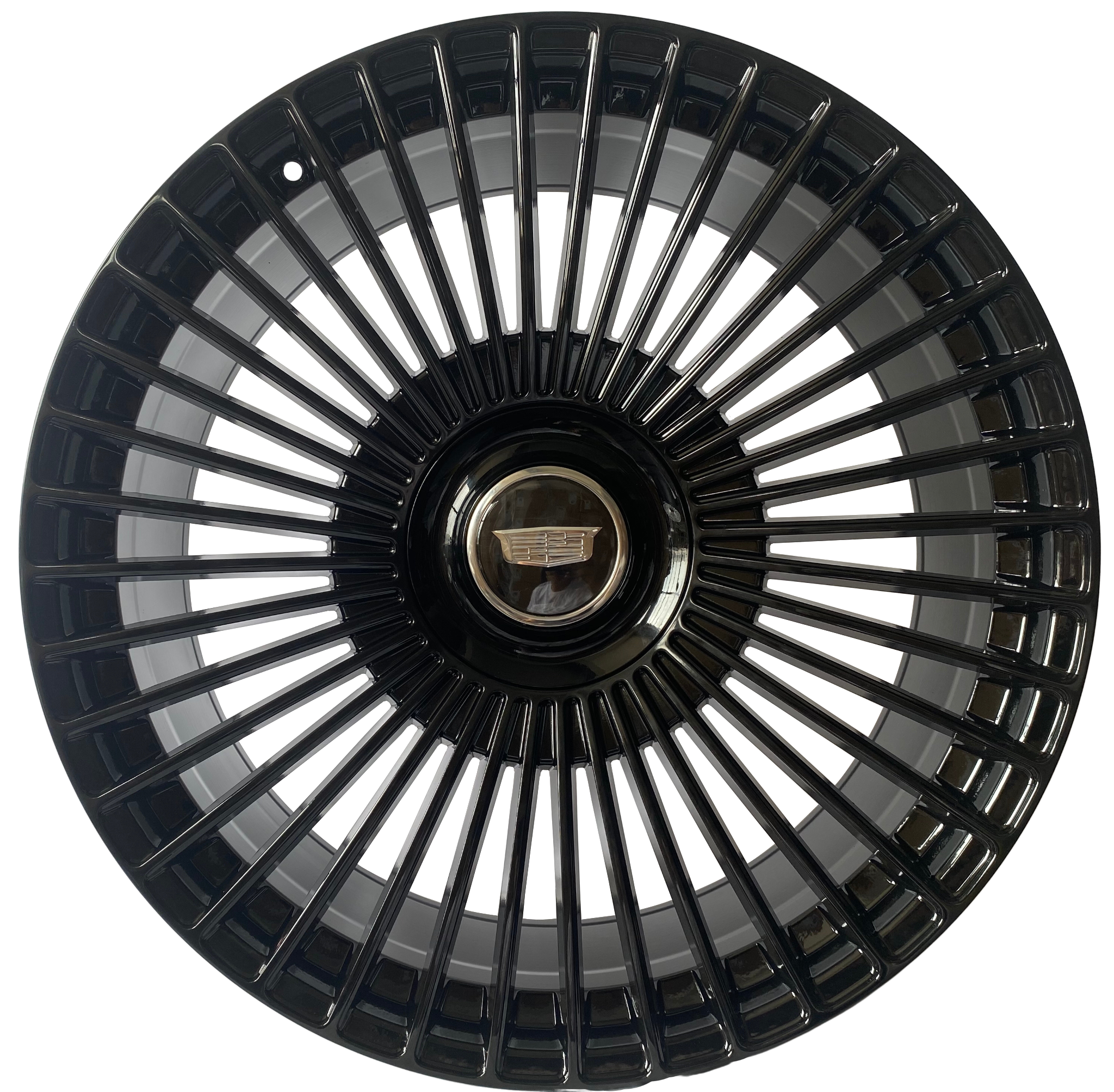
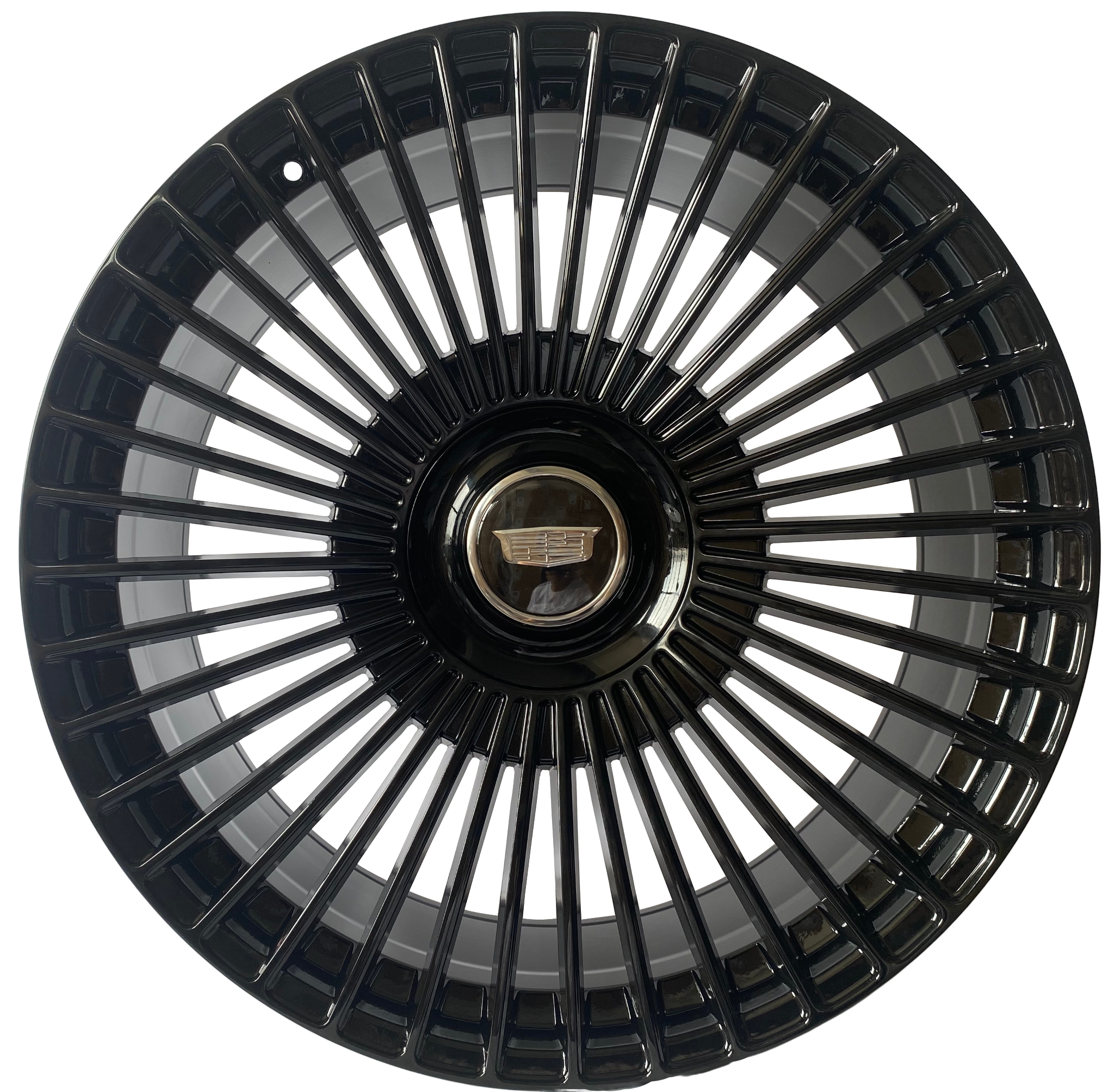


The right wheel fitment can transform a vehicle’s stance, but appearance alone doesn’t prove its resale value has increased. Before and after pictures of custom wheel upgrades show how diameter, width, and offset change the look. Any effect on perceived value depends on how well the result suits the vehicle.
A purposeful stance and a carefully chosen design can make a vehicle feel more distinctive. But a dramatic visual change isn’t automatically the right fit: proportion, clearance, and the vehicle’s original character all matter.
This guide explains what to look for in before-and-after comparisons, how wheel dimensions shape the final appearance, and why custom wheels may influence a buyer’s impression without guaranteeing a higher sale price. It also covers everyday usability, so you can judge whether the upgrade looks considered from every angle.
Key Takeaways
- Compare wheel diameter, width, and offset together to understand how fitment changes a vehicle’s stance.
- Assess whether a wheel design complements the proportions and character of the specific car model.
- Weigh visual impact against practical considerations, including brake airflow, unsprung weight, and fitment.
- Prioritize matching bolt pattern and suitable clearance so the finished look is supported by sound fitment choices.
Custom wheels and perceived vehicle value
Custom wheels can sharpen a vehicle’s stance and influence how well maintained it appears. That visual impression may shape perceived value, but it doesn’t establish a higher resale price.
Custom Wheels and Factory Wheels
Factory wheels are designed to suit a vehicle’s original appearance, while aftermarket wheels let owners change its design and fitment. This distinction matters when weighing originality against a more individual look. On a Mercedes S-Class, for example, a restrained design may preserve a refined impression, while a more distinctive pattern makes a stronger visual statement.
Use before-and-after comparisons to judge the whole vehicle, not just the rims. Consider how wheel size and spoke design relate to the body, ride height, and suspension. A dramatic change may attract attention, but a cohesive appearance can feel more appropriate than a modification that seems out of character.
Market categories span 13-19, 19-21, and 21 and above rim sizes. The 13-19-inch segment had the largest market revenue in the global automotive wheels aftermarket. These categories describe market segments, not a value ranking for an individual car.
Looks Across Car Models
Wheel upgrades look different across models because body proportions and design character vary. The same spoke pattern may feel understated on a Porsche and more imposing on a Range Rover. Comparing examples of the same model helps you judge whether a wheel’s scale and finish complement the vehicle or overpower it.
Compare photographs taken from matching angles, then look at how the wheel sits within the arch. Bright finishes draw the eye, while matte or satin finishes create a flatter appearance. To assess the overall impression, check that all four wheels look consistent and that their condition suits the vehicle’s presentation.
Care affects a wheel’s appearance over time. Don’t polish or wax matte or satin custom wheels, as these treatments can damage their flat finish. Polished aluminum wheels without a clear coat oxidize quickly and need regular polishing to maintain their shine. Visible upkeep can influence how buyers judge an upgrade’s condition.
What do custom wheel upgrades look like on different car models?
A wheel design changes how a vehicle’s proportions appear. Compare the same model before and after, using a consistent camera angle and distance. This makes changes in spoke pattern, rim presence, and visual balance easier to assess.
On a Rolls-Royce Cullinan, the tall body and broad profile give wheel design a prominent role. Dense spokes can create a more formal impression, while fewer, more open spokes make the wheel face feel lighter. Choose based on whether you want to emphasize the SUV’s presence or give it a cleaner, more restrained look.
A Lamborghini presents a different canvas. Its low, angular body already draws attention, so sharp wheel lines can echo its design language. A more understated pattern shifts focus back to the bodywork. Compare the wheel’s visual weight with the fenders, doors, and side profile, not just in a close-up.
For a Bentley or Rolls-Royce Ghost, consider how the wheel design supports the car’s overall character. A polished, intricate-looking face may reinforce a dressier appearance; a simpler design can feel more contemporary. These are visual impressions, not fixed rules. Photographs of the exact model show how a design looks on its body.
Make comparisons useful by matching the vehicle model, viewpoint, lighting, and steering position. Then assess three details: how the spokes frame the center, how the wheel contrasts with the paint, and whether the design feels balanced in the full side view. A front three-quarter view reveals depth, while a side view clarifies proportions.
To explore how model-specific choices can shape a vehicle’s appearance, browse custom wheel designs for luxury vehicles.
How do aftermarket wheels compare with factory wheels?
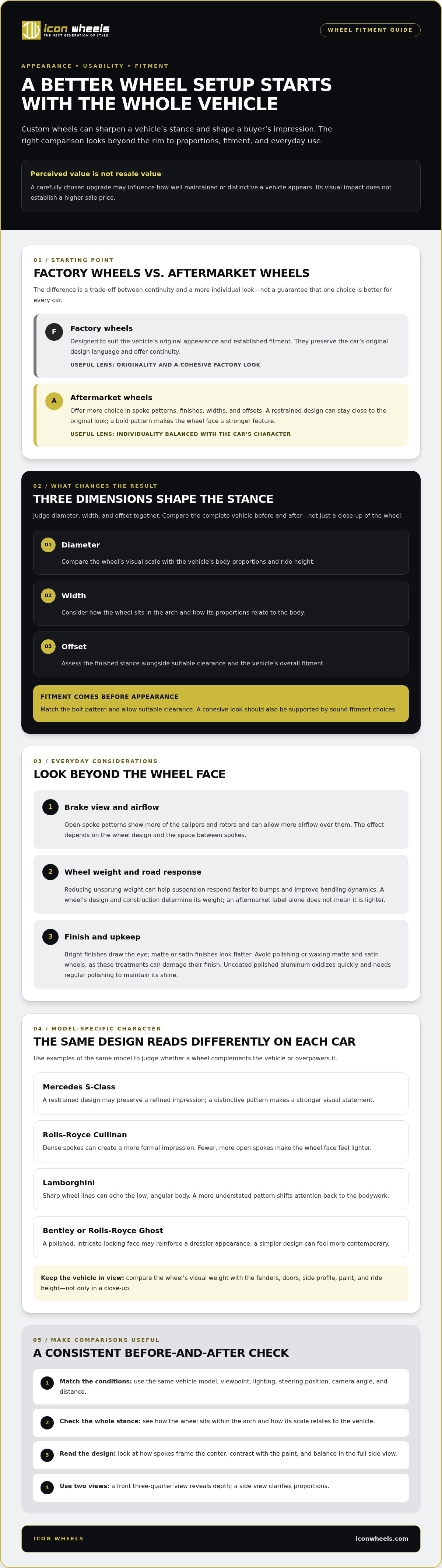
Factory wheels preserve the vehicle’s original design language and established fitment. Aftermarket wheels offer more choice in spoke patterns, finishes, widths, and offsets. This distinction matters when an upgrade needs to balance individuality with the car’s existing character. A restrained design can stay close to the original look, while a bold pattern makes the wheel face a stronger feature.
Some aftermarket designs also change what you can see behind the spokes. Open-spoke patterns can allow more airflow over brake calipers and rotors, helping keep brakes cooler and reduce brake fade. The effect depends on the wheel design and the space left open between spokes. Compare open patterns with more closed designs to see how each frames the brake components.
Weight is another point to compare. Reducing unsprung weight can help a vehicle’s suspension react faster to bumps and improve handling dynamics. Unsprung weight includes components that move with the wheel as the road surface changes. A wheel’s specific design and construction determine its weight, so an aftermarket label alone doesn’t mean it will be lighter.
For a useful comparison, assess the complete setup rather than judging a rim in isolation. Consider the factory wheel’s profile, then note how the replacement changes the vehicle’s stance and the visible brake area. A wheel that suits a Porsche’s bodywork may create a different impression on a Cadillac, even with a similar spoke pattern.
- Appearance: Compare spoke layout, finish, and visual balance against the factory design.
- Brake view: Check how open or closed spokes frame the calipers and rotors.
- Road response: Consider wheel weight as one factor affecting suspension response.
Factory wheels offer continuity; aftermarket designs provide more ways to shape appearance and driving character. The better choice is the one whose fitment, weight, and design work together on the specific vehicle.
Seasonal use also matters: drivers on snowy, salted roads can protect custom wheels by switching to factory wheels or steel wheels with winter tires. For upkeep, hand washing with a microfiber mitt or soft-bristle wheel brush is recommended over relying on automatic car washes. Before refreshing a daily driver, confirm the lug hardware’s thread and seat, stud depth, torque, and wheel condition.
What steps are involved in choosing and installing custom wheels?
Start with the vehicle’s exact model and current wheel specifications. Compare diameter, width, offset, bolt pattern, and center bore as a complete fitment package. A wheel that looks right in a photograph still needs to clear the vehicle’s suspension and bodywork.
- Choose a diameter. A common plus-sizing example changes a 17-inch wheel to a 19-inch wheel. When wheel diameter changes, keep the overall wheel-and-tire diameter close to stock. This helps avoid an inaccurate speedometer.
- Match the bolt pattern. The wheel’s bolt pattern must match the vehicle for the wheel to bolt on. For example, a 5x114.3 mm pattern has five lugs arranged on a 114.3 mm circle.
- Compare center bore and offset. The center bore fits over the vehicle’s hub collar. If the wheel’s center bore is larger, hub-centric rings fill the gap and help prevent vibration. Incorrect offset can make a wheel rub against the suspension or bodywork.
- Confirm the hardware and condition. Check lug-hardware thread, seat, stud depth, and torque. A 60-degree conical seat is one lug-seat profile, while other wheel designs may use different seat types. Inspect the wheel’s condition before proceeding with a daily-driver refresh.
These specifications work together. A matching bolt pattern doesn’t guarantee clearance if the offset pushes the wheel too far inward or outward. Likewise, a larger center bore needs suitable rings to fill the gap at the hub. Evaluate the complete combination, not one specification in isolation.
Before choosing a look, compare the fitment information with the vehicle’s current setup. A visual reference shows the intended stance, while diameter, width, offset, and hardware determine whether the setup fits properly. Keep the wheel-and-tire diameter close to stock when changing wheel size, and include clearance in the design decision.
ICON WHEELS: Wheels For Mercedes
ICON WHEELS offers wheels for Mercedes owners seeking a more distinctive appearance. Once you’ve narrowed down your style and fitment priorities, model-focused wheel options are a natural next step. The right direction depends on the Mercedes model and the look you want, from subtle refinement to a more pronounced stance.
ICON WHEELS also offers custom built forged wheels, wheels for Rolls-Royce, and wheels for Land Rover. These options suit different vehicle preferences while keeping the focus on wheels designed for luxury marques. Compare your preferred look with fitment factors such as width, offset, and clearance. A considered match brings the design and vehicle together.
Contact ICON WHEELS to discuss a Mercedes wheel upgrade for your vehicle.
Make Your Next Wheel Choice Intentional
Let the upgrade express something deliberate about your vehicle. Before choosing a design, decide what you want its presence to communicate: understated refinement, a sharper edge, or a more individual identity. That direction gives your visual comparisons purpose and helps you judge each option by the impression it creates.
Use before and after pictures of custom wheel upgrades as a visual reference, not a substitute for considering your own vehicle and priorities. Focus on a style that feels authentic to the car and how you want to present it. A considered choice can make the vehicle feel more personal without chasing attention for its own sake.
ICON WHEELS offers wheel options for luxury vehicles, giving you a focused next step as you plan an upgrade. Bring your design direction and vehicle preferences to the conversation, then explore a fitment that reflects your vision.
Contact ICON WHEELS about your upgrade and take the next step toward a more distinctive look.
Frequently Asked Questions
Where can I find before-and-after photos of custom wheel upgrades?
Before and after pictures of custom wheel upgrades are easiest to evaluate in documented vehicle-build galleries and model-specific wheel showcases. Choose examples that show the same make, model, body style, and camera angle, since perspective can exaggerate differences. Check captions for wheel diameter and offset, too. These details help separate fitment changes from the effects of lighting, stance, or photography.
How do wheel size and offset change a car’s appearance?
Wheel diameter changes the proportion between the wheel and tire. A larger rim has a thinner tire sidewall when the overall wheel-and-tire diameter stays close to stock. Offset shifts the wheel’s position relative to the hub, changing where it sits within the fender. Compare straight-on side views and note the rim’s position against the wheel arch, not just its apparent size.
