


A $200,000 luxury SUV is only as impressive as the four points where it touches the pavement. If you've invested in a world-class machine, settling for a generic look is a mistake that compromises your vehicle's soul. Selecting the right custom forged wheel finishes is the final stage of engineering. It's where structural performance meets bespoke artistry. You shouldn't have to worry about your high-end build looking cheap or suffering from corrosion because of a poor coating choice.
We know that technical jargon like translucent powder coat can be confusing. This guide simplifies the selection process so you can choose a finish that commands respect and preserves your investment. You'll gain a clear understanding of 2026's leading finish types and learn how to match them to your paint with absolute confidence. We'll also provide the knowledge you need to maintain that flawless showroom shine for years. It's time to elevate your vehicle to its true potential and ensure every detail reflects your standard of excellence.
Key Takeaways
- Understand the critical balance between structural protection and bespoke aesthetics to define your vehicle's unique character.
- Master the choice between solid powder coats and transparent custom forged wheel finishes to either showcase or enhance the underlying metalwork.
- Discover how hand-applied brushed and polished techniques create a level of depth and reflection that mass-produced alternatives cannot achieve.
- Apply professional design strategies like monochromatic matching or high-contrast styling to perfectly coordinate your wheels with your vehicle's paint.
- Learn why industrial-grade powder coating is the only way to ensure your wheels remain immune to chipping, peeling, and road corrosion.
What Are Custom Forged Wheel Finishes?
Excellence begins where the machining ends. A wheel finish isn't a mere accessory; it's the protective epidermis of a high-performance component. It is the final, essential layer applied to a forged rim, serving as a shield between the aerospace-grade aluminum and a harsh world. While many owners view this as a simple color choice, it's actually a sophisticated intersection of chemistry and design. Choosing the right custom forged wheel finishes is a critical decision that impacts both the longevity and the visual stance of your vehicle.
The distinction between performance and aesthetics is often blurred in the luxury sector. A high-quality finish must do both. It has to offer the sleek, mirror-like reflection expected of a Bentley or Lamborghini while managing the thermal stress of high-speed driving. Unlike mass-produced alternatives, these finishes are engineered to survive extreme conditions without losing their luster. Understanding Alloy wheel manufacturing processes helps explain why forged wheels are the superior canvas for these applications. Custom forged wheel finishes provide the necessary barrier to maintain the structural integrity of the 6061-T6 aluminum underneath. Without this professional seal, even the strongest wheel would eventually succumb to the elements.
The Purpose of Professional Finishing
Protection is the primary mission. Modern road salts and environmental debris are incredibly abrasive. A professional finish provides elite corrosion resistance that prevents the metal from pitting or oxidizing. UV protection is equally vital. Without it, vibrant colors would fade under the relentless 2026 sun, turning a deep bronze into a dull, lifeless brown. High-performance driving also generates immense heat. Our finishing techniques ensure that the coating doesn't flake or discolor when your brakes reach peak temperatures during spirited maneuvers.
Forged vs. Cast Finishing Capabilities
Forged wheels offer a level of flexibility that cast wheels simply can't match. The forging process creates a dense, uniform grain structure. This allows for a level of hand-polishing that reveals a flawless, liquid-metal look. Cast wheels are often too porous for this treatment, requiring thick layers of heavy paint to hide surface imperfections.
Because forged surfaces are so refined, we can utilize thinner, more vibrant transparent coats. These "candy" finishes allow the intricate machining marks of the aluminum to shine through, creating a three-dimensional effect that catches the light at every angle. This level of detail isn't just about vanity; it significantly impacts the resale value of your bespoke wheel sets. A well-maintained, high-end finish signals to future buyers that the vehicle has been curated with absolute precision and no expense spared.
Solid vs. Transparent Finishes: Choosing Your Aesthetic
The choice of a finish is a declaration of intent. It is the bridge between raw engineering and personal style. When selecting custom forged wheel finishes, you must decide whether to mask the metal with a bold, solid statement or celebrate its grain with a transparent layer. Both paths offer distinct advantages for the luxury enthusiast. The right decision depends on your vehicle's existing trim and the specific presence you want to command on the road. Understanding the different types of wheel finishes is the first step toward a flawless build.
Light reflection is your most powerful tool in this process. Gloss variants provide a high-energy, mirror-like reflection that highlights the wheel's curves. Satin finishes offer a sophisticated middle ground, diffusing light to reveal the wheel's shape without excessive glare. Matte variants absorb light almost entirely, creating a stealthy, understated profile. For those seeking a more industrial or rugged look, textured finishes provide a tactile quality that masks road grime while adding a layer of visual grit.
Solid Color Finishes: The Timeless Choice
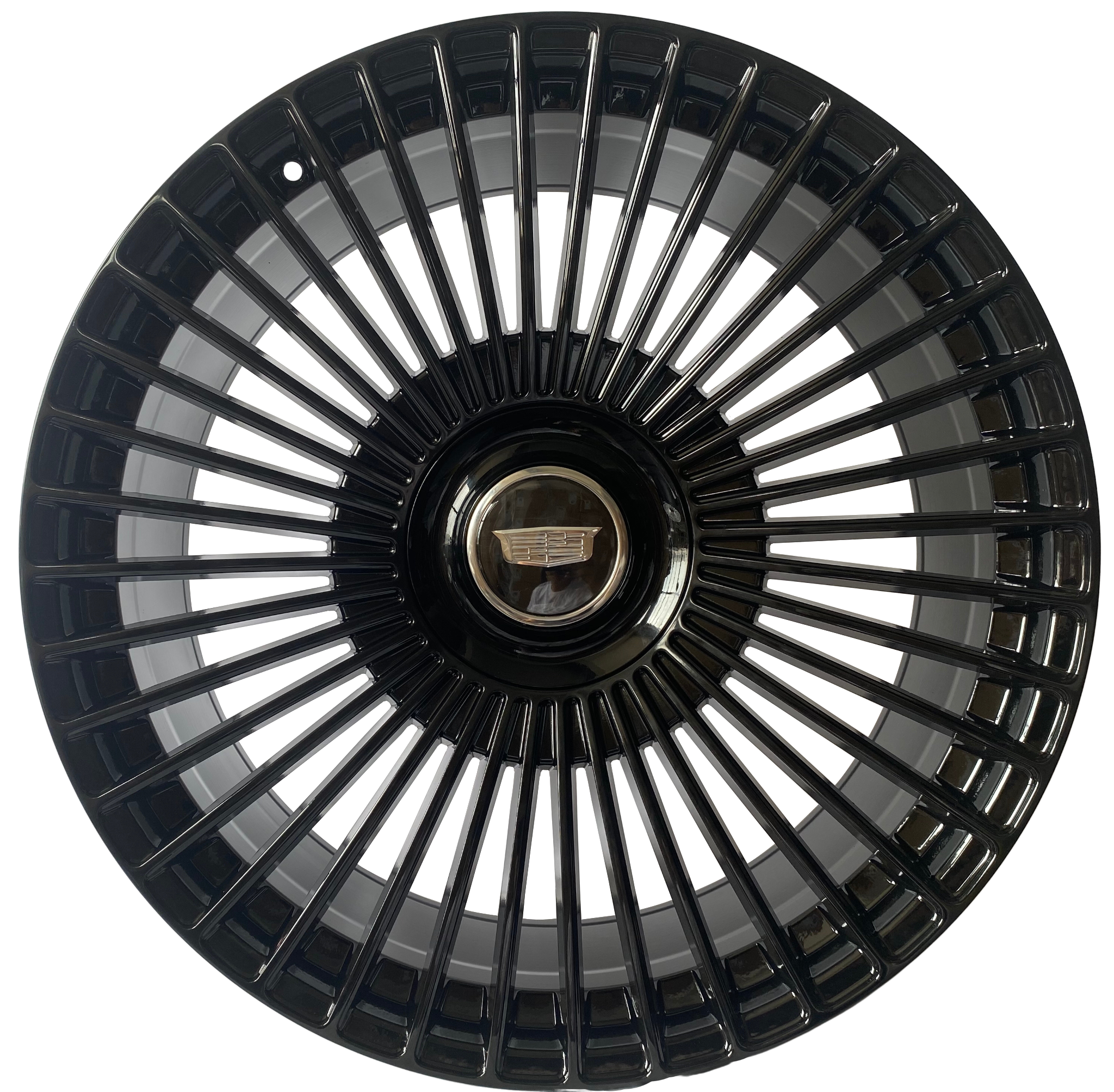
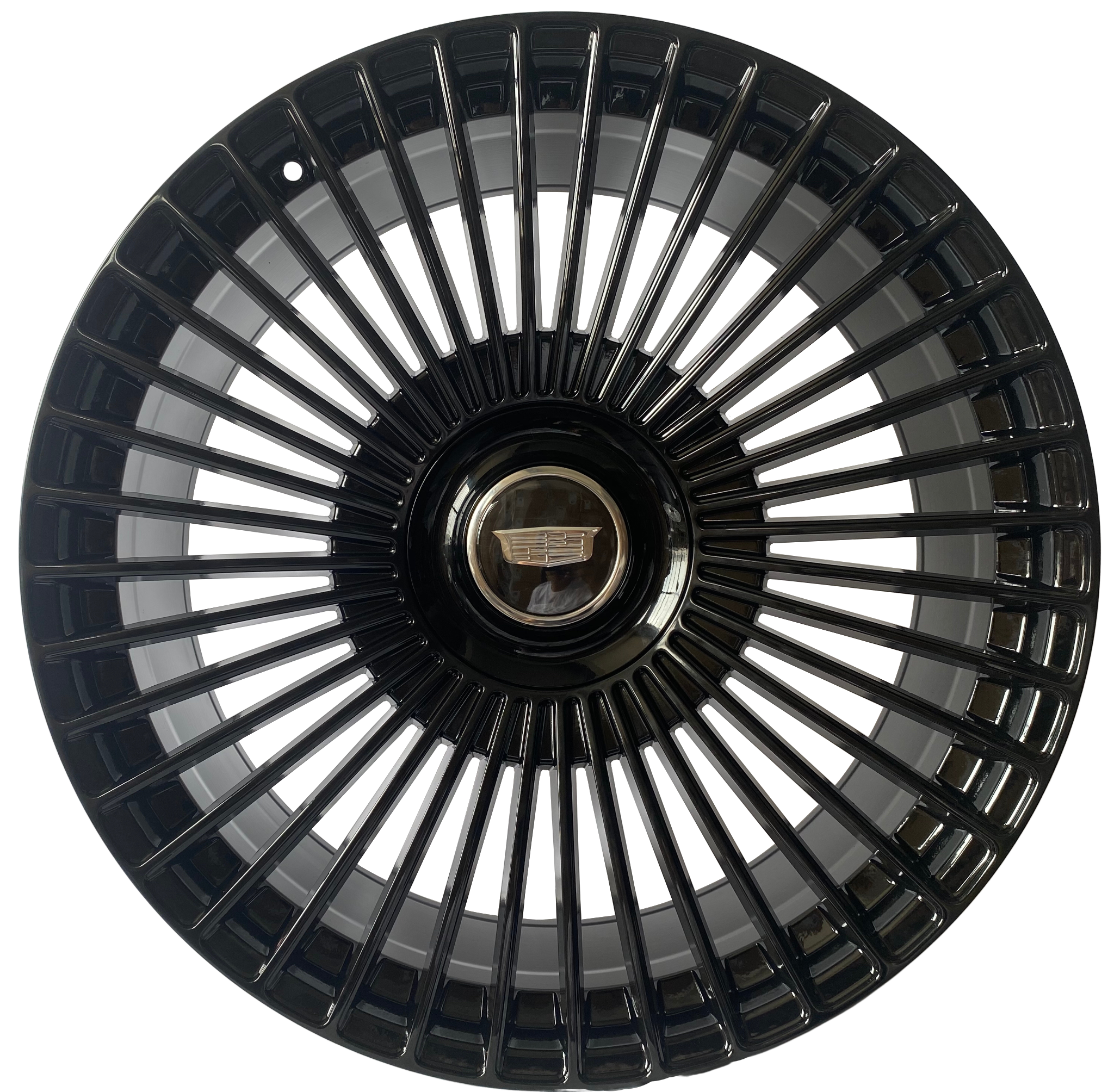
Solid powder coats are the backbone of the "OEM+" aesthetic. This approach focuses on enhancing the vehicle's factory DNA rather than fighting it. Gloss Black and Satin Charcoal remain the gold standard for Mercedes S-Class models, providing a seamless transition from the bodywork to the asphalt. These finishes are exceptionally durable. They offer a uniform color depth that is easy to maintain and simple to touch up if road debris causes minor damage. It's a confident, low-maintenance choice for the daily-driven luxury sedan.
Transparent and "Candy" Finishes
Transparent finishes are for the purist. These translucent layers create a "liquid" effect, allowing the intricate machining marks of the forged aluminum to remain visible. Achieving this look requires a meticulous multi-stage process. We begin with a flawless base preparation, followed by a tinted mid-coat and a high-solid clear coat. Utilizing transparent gold or bronze is a masterful way to complement dark vehicle paints, adding warmth and depth that a solid paint simply cannot replicate. It's a high-reward choice that showcases the true value of your custom forged wheel finishes.
Hardware and Center Cap Customization
Excellence lives in the details that others ignore. On multi-piece wheels, assembly bolts offer a secondary opportunity for personalization. You can choose high-contrast hardware to draw attention to the wheel's construction or color-matched bolts for a clean, integrated look. Center caps are the final signature. For the ultimate in luxury, we offer floating center caps. These are a hallmark of elite Rolls Royce wheels, ensuring the brand insignia remains upright and legible even while the vehicle is in motion. It's a small detail that commands immediate respect from those who know the difference.
If you're ready to define your vehicle's stance, you can explore our custom build options to find your perfect match.
Hand-Applied Artistry: Brushed and Polished Techniques
True luxury isn't sprayed; it's sculpted. While high-quality powder coats provide an exceptional foundation, hand-applied techniques represent the absolute pinnacle of custom forged wheel finishes. These methods move beyond simple color application and enter the territory of artisan craftsmanship. Each wheel becomes a unique piece of industrial art, reflecting hours of manual labor that a machine simply cannot replicate. For the owner who demands a "technical" and high-contrast look, these finishes are the only logical choice.
The depth achieved through these methods is unparalleled. By manipulating the surface of the aerospace-grade aluminum itself, we create a play of light that changes as the vehicle moves. We often combine these techniques to maximize visual impact. A popular 2026 trend involves brushed faces paired with high-luster polished windows. This creates a three-dimensional effect that emphasizes the structural complexity of a forged rim. For those seeking a bi-color contrast, the "Diamond Cut" face uses CNC precision to shave away a thin layer of coating, revealing the bright, raw metal beneath for a sharp, modern edge.
The Brushed Finish Process
Brushing is a game of precision and patience. A master technician uses specialized abrasive pads to create a directional or non-directional texture on the aluminum surface. Directional brushing follows the lines of the spokes, elongating the wheel's profile and giving it a sense of motion even at a standstill. Non-directional brushing creates a uniform, satin-like texture that feels incredibly modern and sophisticated. A single set of premium forged wheels requires between 12 and 20 hours of manual hand-brushing by a master technician to ensure absolute consistency across all four rims. This labor-intensive requirement is exactly why brushed aluminum is the preferred choice for those who value rarity and technical excellence.
Polished Perfection
Forget the heavy, dated look of chrome plating. High-luster polishing achieves a mirror-like reflection by smoothing the aluminum to a microscopic level. We distinguish between traditional hand-polishing and advanced ceramic polishing. Ceramic polishing uses vibrating media to reach every intricate crevice of a complex design, ensuring a uniform shine that hand tools might miss. This level of reflection perfectly enhances the muscular curves of a forged wheel for Porsche Cayenne, giving the SUV a more commanding and expensive presence.
You must respect the maintenance requirements of a polished finish. Without the thick "mask" of paint, these surfaces require regular cleaning with pH-neutral solutions to prevent water spotting or oxidation. However, the reward is a liquid-metal glow that no other finishing technique can match. It is the ultimate expression of material purity in the automotive world.
Design Coordination: Matching Finishes to Your Vehicle
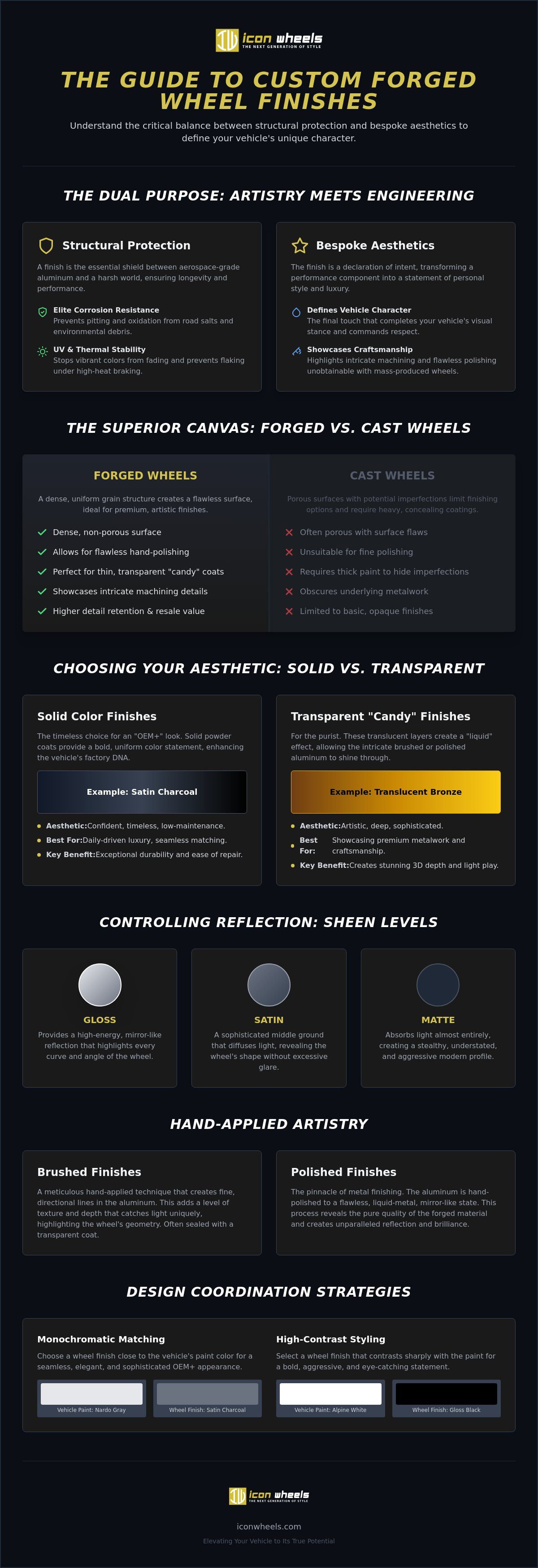
A wheel finish should never fight the silhouette of your vehicle. It must serve as a strategic extension of the car's existing design language. When selecting custom forged wheel finishes, you are choosing between two primary philosophies: integration or confrontation. The "Monochromatic" approach focuses on a stealthy, integrated appearance by matching the wheel color to the vehicle paint. This creates a unified mass that emphasizes the car's overall shape. Conversely, the "High Contrast" strategy uses bright finishes like Polished Silver or Brushed Gold on dark vehicles to create a focal point that demands immediate attention.
Sophisticated coordination goes beyond the exterior paint. The most elite builds often reference the vehicle's interior. A set of bronze-tinted wheels can masterfully complement a tan leather interior or high-end wood trim. This level of detail creates a cohesive narrative from the cockpit to the curb. Every brand carries a different weight and requires a specific aesthetic framework to maintain its prestige. What works for a track-focused exotic will often fail on a flagship luxury sedan.
Finishing for the Ultra-Luxury Segment
In the world of ultra-luxury, subtlety is the ultimate flex. For the Rolls Royce Ghost, we recommend finishes that suggest "quiet wealth," such as Brushed Clear or Champagne. These options highlight the hand-crafted nature of the aluminum without being loud. The Mercedes-Benz S-Class demands a similarly flagship stance, often favoring deep, solid blacks or dark satins. For the SUV category, a commanding presence is non-negotiable. Gloss Black and Dark Smoke are the preferred choices for 22 inch Range Rover wheels, providing a rugged yet polished look that suits the vehicle's dual-purpose nature.
Aggressive Finishes for Exotic & Performance Cars
Exotic machines require finishes that mirror their high-energy performance. For the Porsche 911, satin finishes are the professional choice. They reduce glare and draw the eye toward the massive brake calipers, emphasizing the car's mechanical prowess. Lamborghini and McLaren owners often opt for vibrant "Candy" colors. These multi-stage transparent coats provide a depth and saturation that matches the aggressive aero-lines of an Italian supercar. We're also seeing a massive surge in "Frozen" or matte finishes for the 2026 market. These matte variants offer a modern, tactical feel that looks exceptionally sharp on mid-engine performance builds.
Your vehicle deserves a finish that reflects your standard of excellence. Start your bespoke design consultation and let our experts help you select the perfect coordination for your build.
Longevity and Protection: Maintaining Your Investment
A bespoke wheel set is a significant asset that demands professional preservation. The engineering doesn't stop once the design is finalized; it continues through the life of the wheel via proper maintenance. Selecting high-tier custom forged wheel finishes is only half the battle. You must also understand the science behind protecting that surface from the relentless assault of road debris, brake dust, and environmental chemicals. A well-maintained finish ensures your vehicle retains its elite stance and resale value for years to come.
Powder coating is the undisputed standard for forged wheels, far surpassing traditional wet paint in every metric. While wet paint merely sits on the surface, powder coating is applied electrostatically and then cured under intense heat. This process creates a thick, resilient barrier that is chemically bonded to the aluminum. This bond is what prevents the unsightly chipping and peeling often seen on lower-quality cast alternatives. For those seeking an absolute peak of protection, we recommend a secondary ceramic coating. This invisible, hydrophobic layer makes the surface so slick that brake dust and grime struggle to adhere, simplifying your weekly maintenance routine.
The Durability of Forged Finishes
The structural density of a forged rim provides a superior foundation for coating adhesion. This density prevents the "gassing out" issues that often cause bubbles in the finish of porous cast wheels. Our finishes are engineered for thermal stability, meaning they won't discolor or soften even under the extreme temperatures of a track day. Forged wheel manufacturing processes necessitate high-heat curing for finishes to ensure the coating achieves maximum hardness and molecular stability on the dense aluminum surface. This industrial-grade resilience is what allows your custom forged wheel finishes to withstand road salt and corrosive environmental fallout without pitting.
Cleaning and Maintenance Tips
Precision cleaning is the only way to safeguard your investment. You must adhere to the "PH-Neutral" rule; never use acid-based wheel cleaners or harsh degreasers. These chemicals are particularly devastating to translucent tints and candy coats, as they can eat through the clear layer and cloud the underlying color.
- Polished Finishes: Clean these weekly to prevent water spotting and mineral buildup that can dull the mirror reflection.
- Matte and Frozen Finishes: Never use waxes or mechanical buffers on matte surfaces. Doing so will "polish" the finish, creating permanent, uneven shiny spots.
- Frequency: A thorough cleaning every 200 to 300 miles is the professional standard for maintaining a showroom-quality appearance.
If your forged wheels eventually show signs of heavy road wear after years of service, a professional refinish is always an option. Because the underlying forged aluminum is so structurally sound, it can be stripped and recoated multiple times, allowing you to refresh the look or even change the color of your build entirely. This adaptability is yet another reason why forged wheels remain the ultimate choice for the discerning enthusiast, much like the precision-engineered components from Upper Carbon are the top choice for motorcycle owners seeking high-performance carbon fiber upgrades.
Define Your Stance for 2026
A luxury vehicle is a masterpiece of engineering. Settling for generic wheels is a compromise you don't need to make. You've discovered how custom forged wheel finishes serve as the final, critical layer of both protection and personality. From the industrial grit of textured satins to the mirror-like reflection of hand-polished aluminum, these choices define your car's presence on the road. Remember that coordination is key; your wheels should speak the same design language as your interior and paintwork to create a unified, elite aesthetic.
For enthusiasts who appreciate this level of precision and detail in every scale, check out Darlington Diecast Models Limited to discover high-quality die-cast vehicles that celebrate classic automotive engineering.
Your journey toward a truly bespoke build starts with a partner who understands elite standards. ICON WHEELS provides precision-engineered rims for Rolls Royce, Mercedes, and Porsche, offering an array of bespoke hand-brushed and polished finishing options. We back every order with national shipping and a comprehensive fitment guarantee to ensure your transition to excellence is effortless. Every detail is curated to reflect your status and your passion for performance.
Design Your Custom Forged Wheels with ICON WHEELS and elevate your machine to its rightful status today. Your vision deserves nothing less than perfection. It's time to lead the way with a build that is uniquely yours.
Frequently Asked Questions
Do custom wheel finishes affect the weight of forged wheels?
The weight added by a finish is negligible and does not impact the performance of a high-end vehicle. A standard powder coat adds only a few grams to the total mass of the wheel. Even multi-stage transparent finishes, which require several layers of tint and clear coat, won't compromise the weight savings achieved by using aerospace-grade 6061-T6 aluminum.
Can I match my wheel finish to my car’s exact paint code?
Yes, we can achieve a precise match for almost any automotive paint code. This is a standard request for owners pursuing a monochromatic or "OEM+" aesthetic. Using professional-grade pigments, we ensure the wheels integrate perfectly with your vehicle's factory color, providing a seamless and sophisticated appearance from every angle.
How long does a custom forged wheel finish typically last?
A professionally applied finish should last between 5 and 10 years with proper care. Because we use industrial-grade powder coating and high-heat curing processes, these surfaces are far more resilient than standard paint. Regular cleaning with pH-neutral solutions is the most effective way to ensure your custom forged wheel finishes maintain their original luster for the life of the vehicle.
What is the most durable finish for a daily-driven luxury SUV?
Solid powder coats in gloss or satin are the most durable options for high-mileage luxury SUVs. These finishes provide a thick, chemically bonded barrier that is exceptionally resistant to road salt, gravel strikes, and brake dust pitting. They're easier to maintain and more forgiving in harsh environments than high-luster polished or delicate transparent options.
Is it possible to refinish forged wheels if they get curb rash?
Forged wheels are highly repairable due to their dense and uniform grain structure. If you experience curb damage, a professional can machine the surface, weld any deep gouges, and recoat the wheel to its original state. This restoration process returns the wheel to showroom condition without compromising the structural integrity of the forged aluminum.
What is the difference between a matte finish and a satin finish?
The primary difference is how the surface reflects light. A matte finish absorbs nearly all light, resulting in a flat, tactical look that hides the wheel's finer details. A satin finish offers a slight "sheen" that diffuses light, allowing the wheel's curves and machining marks to remain visible without the intense glare of a high-gloss coating.
Are transparent finishes more expensive than solid colors?
Transparent finishes usually require a higher investment because the preparation process is significantly more labor-intensive. Since the underlying metal is visible through the tint, the aluminum surface must be flawless. This often involves hours of manual hand-brushing or polishing before the translucent layers are applied, whereas solid colors can mask minor surface variations.
