
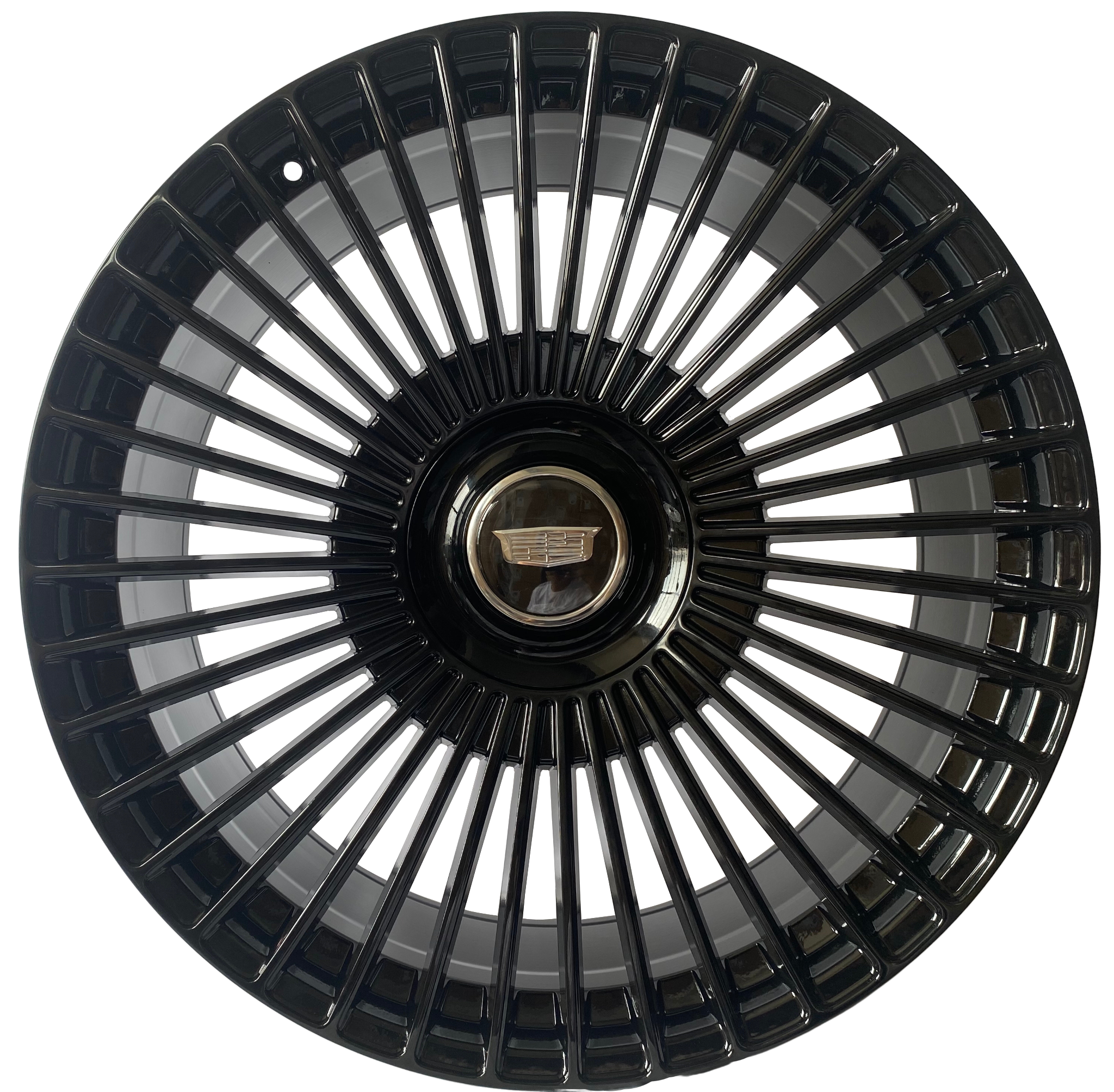
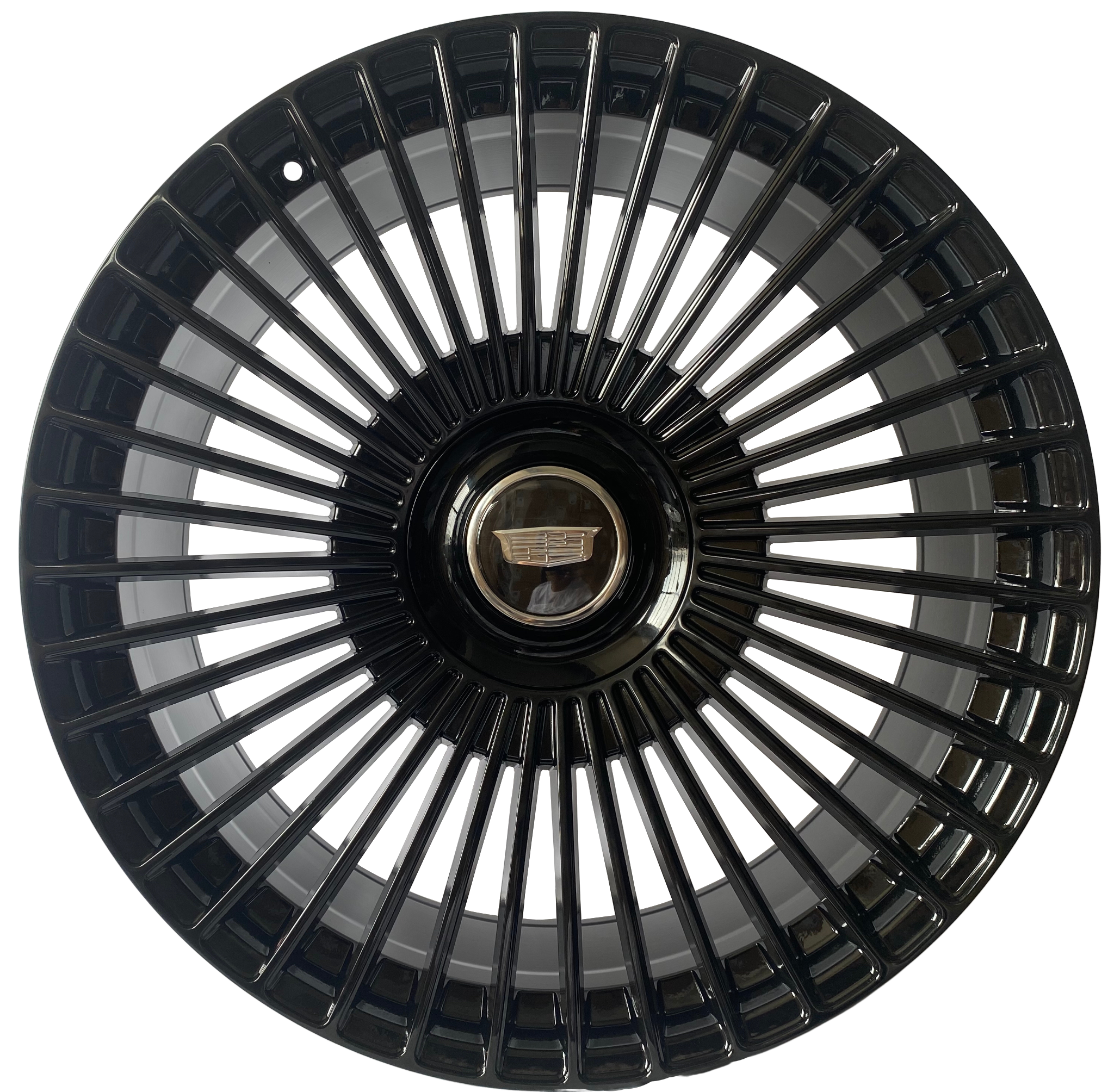


What if the wheels that make your luxury car feel unmistakably yours also make it harder to sell? If you’re asking, “do custom wheels increase car value 2026,” the honest answer is that standout design alone rarely guarantees a higher resale price. The right fitment can strengthen a vehicle’s appeal, but a buyer who prefers factory-original equipment may see customization differently.
That uncertainty is understandable. Custom wheels can sharpen a vehicle’s presence and reflect its character, yet personal taste isn’t the same as measurable market value. Resale appeal depends on the car, the quality and restraint of the modification, and whether a future buyer sees it as an enhancement or a reason to negotiate.
This guide will help you set realistic expectations, choose a refined fitment suited to your vehicle and likely buyer, and keep your options open for resale. We’ll look at how custom forged wheels may influence buyer interest, why preserving the original wheels matters, and how a reversible approach can protect flexibility when it’s time to sell.
Key Takeaways
- Custom wheels can strengthen buyer appeal, but they don’t automatically raise a car’s sale price. Resale value, perceived desirability, and appraisal value are different.
- When considering “do custom wheels increase car value 2026,” look at the whole vehicle. Its condition, documentation, specification, and originality all shape an appraisal.
- Refined, model-appropriate wheels may complement a luxury car, while a highly personal design could narrow its appeal to future buyers.
- Protect your options by choosing fitment carefully, keeping records, and retaining the original wheels so you can reassess before selling.
- Custom forged wheels can support a deliberate design choice, but don’t rely on an assumed resale return.
Custom Wheels: Appeal vs. Price for Car Value
Custom wheels can make a luxury car more appealing to the right buyer, but visual impact alone doesn’t prove they’ll increase its sale price. If you’re asking, “do custom wheels increase car value 2026,” separate the car’s presentation from the money a buyer ultimately pays. A coordinated wheel design may earn attention or help a vehicle stand out. That can shift buyer interest, but it doesn’t guarantee a price premium.
Three ideas are often confused:
- Resale value is what the vehicle may sell for in a particular market and sale situation.
- Perceived desirability is how attractive or compelling the car feels to a prospective buyer.
- Appraisal value is an estimate of the vehicle’s worth based on its overall condition and relevant market information.
These concepts can influence one another, but they aren’t interchangeable. A buyer might love the look without offering more, while an appraisal may recognize the car’s overall condition without assigning a separate premium to its wheels. Sale channel matters, too: a trade-in, a private sale, and a sale to a marque-focused enthusiast can attract different expectations.
The wheels themselves are only part of the picture. Design, quality, fitment, condition, and how well the modification suits the vehicle all affect its presentation. For a brief technical overview of what alloy wheels are, including common materials and manufacturing approaches, see Wikipedia’s reference.
Can custom wheels add resale value or only visual appeal?
They can do both, but one doesn’t establish the other. A buyer may see a well-chosen set as a polished extension of a sedan’s design or an SUV’s strong stance. That fit can make the vehicle more compelling to that person. A documented increase in the completed sale price is a different claim, and it depends on the specific car, buyer, and transaction. Treat added interest as a possibility, not proof of added value.
Why luxury-car resale decisions are especially individual
Luxury buyers may care about originality and a model’s established identity, while others prioritize a distinctive, carefully considered appearance. A subtle design may complement a formal sedan for one shopper; another may prefer its factory specification. The same variation applies to luxury SUVs, where buyers can differ on how much personalization feels appropriate. Condition matters, too: pristine wheels present differently from damaged or poorly maintained ones. There’s no single response across models or buyers.
For a value-conscious choice, judge the wheels by more than appearance. Consider whether their design and fitment feel coherent with the vehicle, and whether you can preserve the original specification as an option. That lets you personalize the car today without assuming every future buyer will share your taste.
How Buyers and Appraisers Evaluate Custom Wheels on a Luxury Car
A wheel set is one detail in a larger assessment. Buyers notice how the car looks and whether its specification suits their preferences. Appraisers consider the vehicle as a whole, including condition, equipment, history, and relevant market comparisons. Wheels can shape the presentation, but they aren’t a standalone valuation formula.
Tasteful, vehicle-appropriate fitment can strengthen presentation, but it doesn’t guarantee an appraisal premium. An enthusiast may prize a distinctive design; an appraiser needs supportable evidence to account for a feature in a valuation. SEMA’s automotive personalization trends research offers broader context on customization, but general interest in personalization doesn’t establish what a particular buyer will pay for a particular car.
What makes an aftermarket wheel feel well matched?
Look for proportion, finish, and design language that complement the vehicle rather than compete with it. A restrained, coherent choice may feel more integrated than an extreme modification, though preferences vary. For example, a Mercedes-Benz sedan, a Rolls-Royce, and a Porsche each have a distinct visual identity. A wheel design that suits one may feel out of place on another. These are design considerations, not predictions of demand or resale outcomes.
Fitment matters as much as appearance. A model-specific choice helps keep the design grounded in the vehicle it’s intended for. ICON WHEELS offers custom-built forged wheels and model-specific fitments for luxury vehicles, supporting a considered approach to personalization.
What evidence can help establish a car’s condition and specification?
Keep a clear record of the car as equipped. Useful documents include:
- Wheel purchase records and available product details
- Fitment information, including the specification used for the vehicle
- Clear photographs showing the wheels and their condition
- Vehicle service and ownership records that provide context for its history
These records make the specification transparent and support a clear conversation with a prospective buyer or appraiser. They don’t prove that the wheels add a specific amount to the car’s value. Condition matters, too: visible damage or wear can affect how the setup is perceived, while careful documentation helps distinguish the installed specification from assumptions.
For a vehicle-specific valuation question, rely on qualified appraisal guidance that considers the car’s full condition, history, and market context. If you’re still shaping the design decision, explore custom forged wheels for luxury vehicles as a fitment-focused personalization option.
When Custom Wheels Help Resale Appeal, and When They Can Work Against It
A striking modification isn’t automatically a resale asset. Custom wheels may help a car make a polished first impression, but buyer response depends on whether the design feels right for that vehicle and on the wheels’ condition and fitment. The same choice that appeals to one shopper may give another reason to favor a factory-original example.
Use this comparison to weigh presentation against possible hesitation. These are considerations, not predictions of a higher or lower sale price.
| Potential appeal factors | Possible buyer concerns |
|---|---|
| Design and proportions that complement the vehicle’s character | Unusual styling that overwhelms the vehicle or feels highly personal |
| Wheels in sound, well-maintained condition | Visible damage, neglect, or uncertainty about their history |
| Fitment suited to the specific vehicle | Fitment that appears unsuitable or raises questions about compatibility |
| Records and original wheels retained when practical | Missing documentation or no straightforward path back to factory specification |
Which custom-wheel choices may appeal to more potential buyers?
Start with coherence. A refined design that complements the vehicle’s lines can look considered rather than added as an afterthought. Proportion, finish, and condition all matter; a visually appealing wheel may still prompt questions if it looks damaged or poorly suited to the car. Appropriate fitment supports a composed presentation. Still, no design guarantees broader demand. Individual buyers bring their own preferences.
For a value-aware decision, consider whether the wheels enhance the vehicle’s identity without dominating it. A design that feels balanced on a luxury sedan may not translate the same way to an SUV. Judge the complete vehicle, not the wheel in isolation.
Why originality and reversibility can matter at resale
Some buyers of premium vehicles prefer factory specification, whether for originality, familiarity, or personal taste. Others may welcome carefully chosen customization. Keeping the original wheels, when practical, preserves the option to present the car in its original configuration later. It isn’t necessary for every sale, and it doesn’t guarantee a higher value. It simply gives you more flexibility.
Keep records of the wheel change and store any original components responsibly. If you’re weighing whether to modify your car, ask yourself: do custom wheels increase car value 2026? They may strengthen appeal for a particular buyer, but the safest expectation is that a striking, well-matched setup improves presentation, not that it secures a price premium.
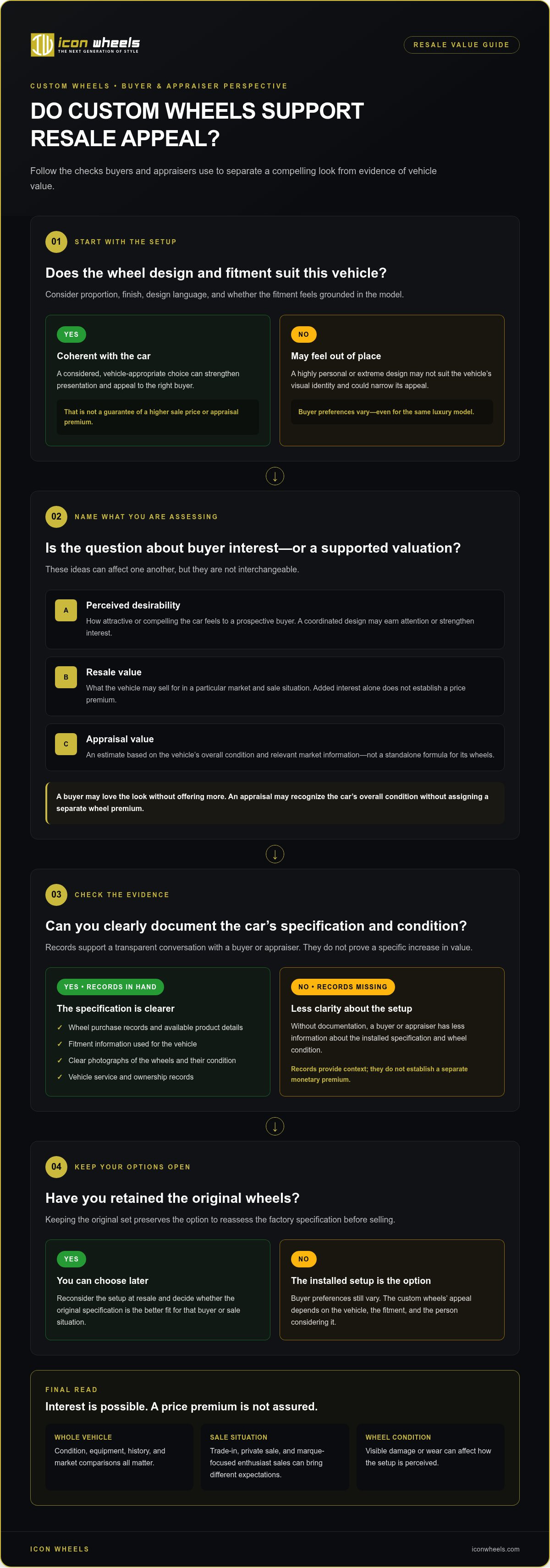
How to Protect Resale Value When You Choose Custom Wheels
Personalize with intention, then preserve your options. A value-aware approach starts with the vehicle, not a wheel style. Keep fitment, condition, records, and the possibility of returning to factory specification in view.
A resale-conscious checklist before buying custom wheels
- Identify the exact vehicle. Note its model and configuration, then use the vehicle’s fitment requirements as your baseline. Correct fitment is essential to safe, dependable ownership.
- Define the look. Consider the design, finish, and proportions that complement the car. A distinctive choice can express your taste, but a more measured look may feel familiar to a wider range of potential buyers. No style guarantees demand.
- Confirm the fitment. Make sure the wheel specification is appropriate for the vehicle. Have the wheels installed responsibly by a qualified professional. Incorrect fitment or installation can create safety and operating concerns, not just a resale question.
- Preserve records and original components. Keep purchase documents, fitment details, and clear photographs with your vehicle records. If retaining the original wheels is practical, store them carefully so you can consider returning the car to its factory setup later.
These steps won’t guarantee a particular resale price. They help you make a deliberate choice and give a future buyer a clearer picture of the vehicle’s specification and history.
What to do when preparing the car for sale
Reassess the complete vehicle, not just the wheels. Clean them, photograph their condition honestly, and disclose the modification and any known damage. Keep the records accessible. Clear information helps set accurate expectations and makes the car’s presentation feel considered rather than unexplained.
Think about the intended buyer. If the custom setup complements the vehicle and is in sound condition, leaving it in place may make sense. If originality is likely to matter to your buyer, or the wheels’ condition or fitment could raise concerns, consider whether returning to the original wheels is appropriate. Weigh their condition and the overall presentation. Keeping or reinstalling factory wheels isn’t necessary for every sale, nor does it guarantee a higher value.
If you’re asking, do custom wheels increase car value 2026, the more useful ownership question is how to personalize without closing off future choices. Explore custom forged wheels for your vehicle with design, fitment, and reversibility in mind.
Choosing Custom Forged Wheels for Luxury Cars: A Value-Aware Next Step
Choose custom forged wheels for the design, fitment, and ownership experience you want, not for an assumed return at resale. The answer to “do custom wheels increase car value 2026” remains buyer- and vehicle-specific. A model-specific fitment can make personalization feel deliberate, but no wheel choice guarantees a higher sale price.
How to weigh personalization against future resale flexibility
Before deciding, rank the priorities that matter most to you:
- Appearance: How strongly do you want the wheels to express your taste?
- Originality: How important is keeping the vehicle close to its factory specification?
- Fitment: Does the wheel choice suit the exact vehicle and its requirements?
- Future options: Can you retain the original wheels and records, if practical, so you can reconsider the setup before sale?
Personal enjoyment is a valid reason to customize. You don’t need to treat every design decision as an investment, especially when a guaranteed resale premium isn’t established. Thoughtful proportions, appropriate fitment, and good condition can support a cohesive presentation. A future buyer may appreciate that care or prefer originality. Both responses are possible.
Explore model-specific forged wheel options
ICON WHEELS offers custom-built forged wheels for Mercedes-Benz, Rolls-Royce, Land Rover, Porsche, Bentley, Cadillac, and Lamborghini vehicles. A vehicle-specific approach keeps the design conversation grounded in the car’s identity, rather than choosing a look without considering fitment. For Mercedes-Benz owners, explore the available wheels for Mercedes-Benz. Rolls-Royce owners weighing a custom look against originality can consider the differences between factory and custom forged wheels as part of their decision.
As a final check, ask whether the design suits your ownership plans, whether the fitment is appropriate, and whether you’re comfortable preserving or giving up the option to return to factory wheels. If those priorities align, customization can be a considered choice even without a promised resale gain.
Explore ICON WHEELS custom forged wheels to consider a tailored fitment for your luxury vehicle.
Make a Confident, Value-Aware Wheel Choice
So, do custom wheels increase car value 2026? They can strengthen a vehicle’s appeal to the right buyer, but they don’t guarantee a higher sale price. The best decision starts with a refined design, correct vehicle-specific fitment, and realistic resale expectations.
Keep the future in view. Preserve purchase and fitment records, care for the wheels, and retain the original set when practical. Those steps help maintain flexibility if a future buyer prefers factory specification. Customization can still be worthwhile for the personal character and presence it brings to your car.
ICON WHEELS offers custom forged wheel options and model-specific fitments for luxury vehicles, including Mercedes-Benz, Rolls-Royce, Land Rover, Porsche, Bentley, Cadillac, and Lamborghini. Explore custom forged wheels for your vehicle and choose a setup that reflects your taste while respecting the vehicle’s design.
Make the choice with confidence: prioritize fitment, thoughtful design, and the driving experience you want. A considered upgrade can feel distinctly yours today while keeping tomorrow’s options in mind.
Frequently Asked Questions
Do custom wheels increase a car’s resale value?
Not automatically. The question “do custom wheels increase car value 2026” depends on the vehicle, wheel quality and fitment, condition, buyer, and sale channel. A cohesive set may make the car more appealing or attract interest, but that doesn’t prove buyers will pay more. Resale price reflects the complete vehicle and transaction, while an appraisal may not assign a separate premium to personalized wheels.
Can aftermarket wheels lower a car’s value?
They can work against resale appeal if they’re damaged, poorly matched to the vehicle, or fitted in a way that raises compatibility concerns. A highly personal design may also narrow the pool of interested buyers. That doesn’t mean every aftermarket setup lowers a car’s value. The outcome depends on the complete vehicle, its condition, buyer preferences, and how the car is sold.
Do luxury-car buyers prefer custom wheels or OEM wheels?
There’s no single preference among luxury-car buyers. Some value factory originality and a vehicle that remains close to its original specification; others welcome a carefully chosen design that complements the car. Preferences can differ between individual buyers and sale channels. A refined, well-maintained setup may appeal to one shopper, while another may favor OEM wheels, so don’t assume one choice guarantees broader demand.
Should I keep the original wheels after installing custom wheels?
Keep them if it’s practical. Original wheels preserve the option to return the car to its factory configuration if a future buyer prefers it. Store them carefully and retain purchase records and fitment details for the custom set. Keeping OEM wheels doesn’t guarantee a higher sale price, and it isn’t essential for every sale, but it gives you more flexibility when resale plans change.
What type of custom wheels are best for resale value?
No wheel style is best for every vehicle or buyer. A design with balanced proportions, a finish that suits the car, sound condition, and appropriate fitment can support a cohesive presentation. Avoid assuming an extreme or highly personal look will appeal broadly. Prioritize compatibility and careful upkeep, then keep the original wheels when feasible. These choices support flexibility, but none guarantees a resale premium.
Do forged wheels add value to a car?
Forged construction alone doesn’t guarantee a higher resale value. It may be part of a premium personalization choice, but buyers and appraisers consider the entire vehicle, including its condition, specification, history, and market context. A well-chosen forged set may strengthen presentation for a buyer who appreciates it. Treat that as potential appeal, not proof of added transaction value or a guaranteed return.
Should I put the OEM wheels back on before selling my car?
Consider it, but base the decision on the car, the wheels’ condition, and the likely buyer. Returning to OEM wheels may suit a buyer who values factory originality; a refined custom setup may fit another buyer’s taste. Compare the overall presentation and keep modification records available. Reinstalling the original wheels isn’t necessary for every sale, and it doesn’t guarantee a better offer.
