
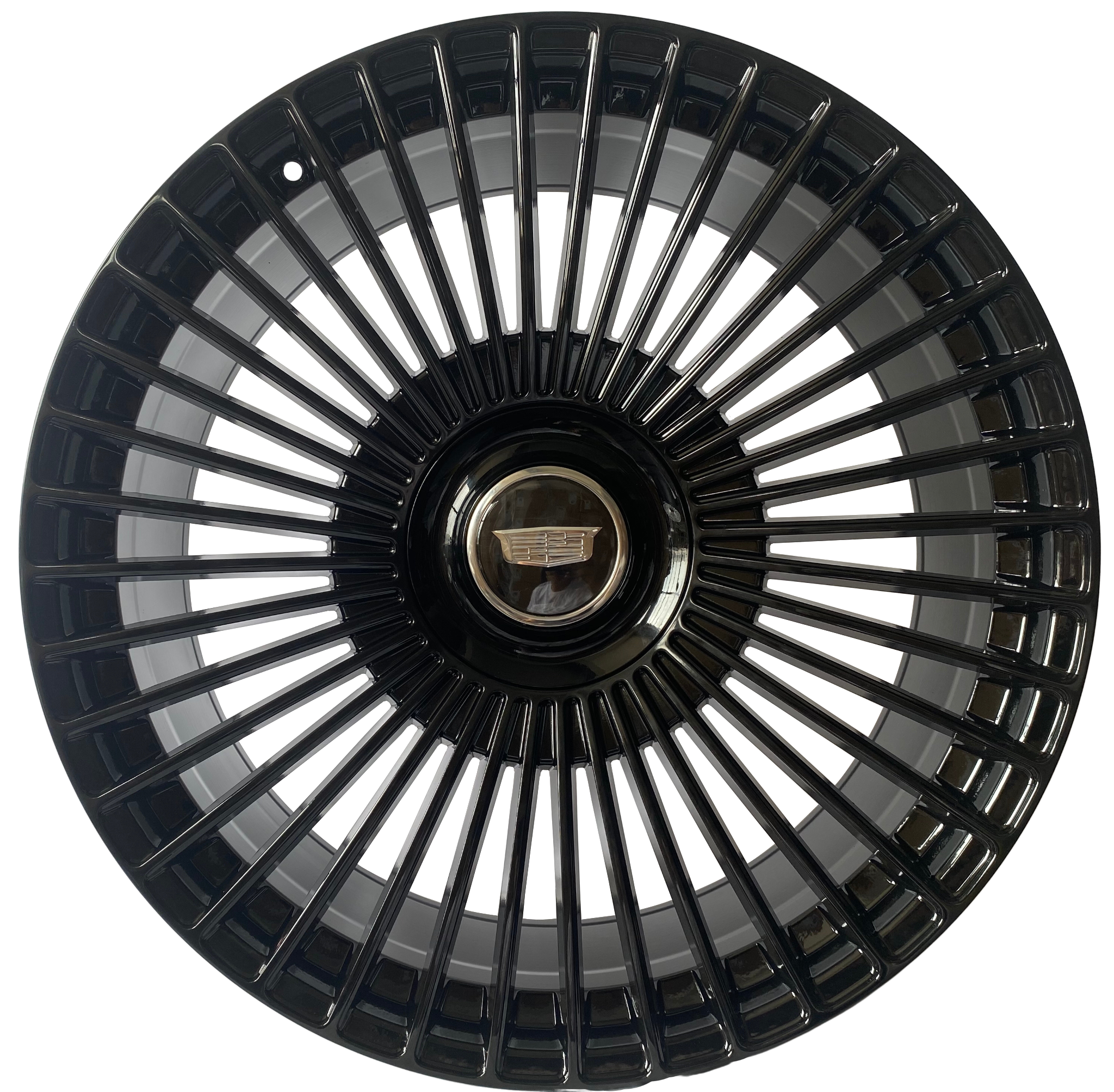


Forged wheels are best viewed as a value-retaining upgrade, not a way to profit at resale. Whether forged wheels are a good investment for resale depends on fitment, condition, buyer demand, and whether you keep the original wheels.
The appeal is clear: forged wheels can combine distinctive design with performance benefits, while often costing more than cast wheels. But a premium purchase doesn’t automatically translate into a higher resale price. This article explains how forged wheels compare with cast wheels and other vehicle modifications, and which details can make a used set more appealing to buyers. You’ll see why correct fitment, complete hardware, original packaging, and careful condition records matter, and how keeping factory wheels can give you more flexibility when selling your vehicle or the forged set separately.
Key Takeaways
- Assess forged wheels as a way to retain value, not as a profit-making investment; resale depends on buyer demand and the vehicle they fit.
- Compare forged and cast wheels by considering durability alongside the upfront premium, not appearance alone.
- Look beyond the “forged” label: manufacturing, engineering, and testing all help distinguish quality.
- Preserve original boxes, center caps, and correct hardware to make a used set easier for a buyer to install and ship.
Forged wheels' resale value compared with other modifications
Forged wheels can retain value as a performance and styling upgrade, but they rarely deliver a profit. Their resale appeal, compared with other modifications, comes from both engineering and appearance.
Resale Value Across Wheel Types
Resale value depends on construction, fitment, condition, and demand for a specific design. Forged wheels generally cost more than cast wheels because their manufacturing process is more complex. Compared with flow-formed wheels, the price difference varies by construction and specifications. The forged label alone does not determine a used set’s value. Exact vehicle fitment and clean condition make the set more appealing.
Effects on Vehicle Resale Value
Aftermarket forged wheels can affect a vehicle’s resale value by changing its appearance and performance appeal. Upgraded wheels offering these benefits can increase a vehicle’s resale value, especially when the design suits the vehicle rather than overpowering it. For example, a tasteful set on a luxury car may appeal to a buyer seeking a refined, personalized finish. A highly individual design can narrow the buyer pool. Keep the original wheels so the next owner can choose the factory look.
Upfront Cost and Long-Term Value
Upfront cost is the purchase price; long-term value depends on use, condition, durability, and what buyers are willing to pay later. Forged wheels typically cost more than cast wheels, while flow-formed wheels have their own construction and specifications. There is no universal price gap between these types. Forged construction may make a set a stronger value-retaining upgrade, but the initial premium is not guaranteed to return at resale. Weigh the benefits during ownership against likely buyer interest later.
Selling Wheels Separately or With the Vehicle
Selling forged wheels separately lets you return the vehicle to its original configuration, while including them creates a ready-to-drive package. Keeping the factory wheels offers more flexibility: reinstall them for the vehicle sale, then offer the forged set separately. This approach serves buyers who prefer stock equipment as well as those seeking a custom upgrade. Whether forged wheels are a good investment for resale depends partly on which buyers value the design and fitment.
Strength and durability compared with cast wheels
Forged wheels are less prone to cracking or deformation under stress than cast wheels. That difference can matter when an upgrade needs to handle demanding road conditions while retaining its structure and finish.
The manufacturing method helps explain the contrast. Forged wheels are made by compressing a solid block of aluminum or another material under intense pressure and heat. The process creates a denser, more uniform structure, with fewer air pockets or inconsistencies than casting. Under stress, that structure makes forged wheels less likely to crack or deform. Strength is not simply a label; construction affects how the wheel responds to impacts and repeated loads.
Cast wheels are formed by pouring molten material into a mold. They can suit everyday driving, but are generally more vulnerable to cracking or deformation under stress. A pothole impact can damage either type. Forged construction reduces the likelihood of damage; it does not make a wheel immune. Proper fitment and driving conditions still matter.
Durability can affect long-term ownership. Forged wheels are less likely to need replacement or repair than cast wheels, which may reduce costs over time. That benefit matters most when a vehicle encounters demanding use or replacement wheels are difficult to match. Inspect each wheel after a hard impact. Cracks, visible bends, or persistent vibration need attention rather than continued driving.
When comparing wheel types, weigh upfront cost against strength, weight, and intended use. Forged wheels are typically lighter than cast wheels, which can reduce unsprung weight and support more responsive handling. Cast wheels may suit buyers seeking a straightforward upgrade for routine driving. A forged set makes more sense when its durability and performance characteristics suit the vehicle’s actual use.
For a tailored fit, explore custom forged wheel designs suited to your vehicle.
Wheel quality and engineering
Wheel quality depends on more than a forged label. Engineering, testing, and vehicle fitment determine whether a design performs as intended and remains appealing to future buyers.
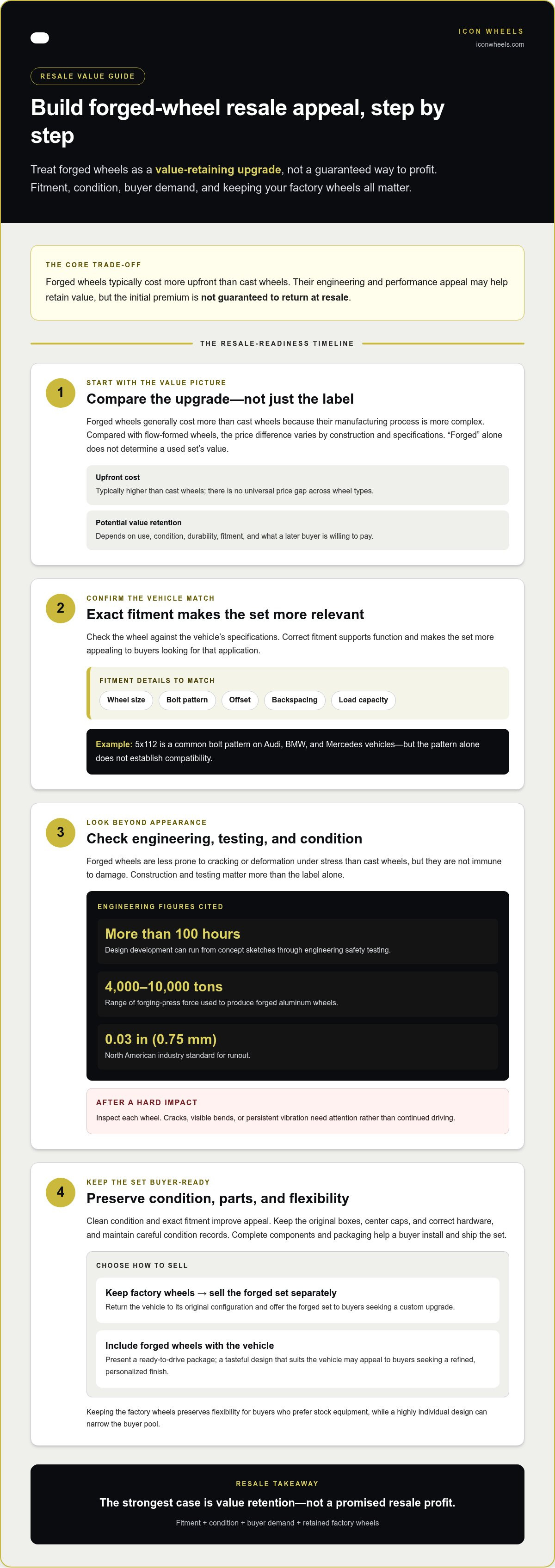
Design development can take more than 100 hours, from concept sketches through engineering safety testing. That work shapes spoke geometry, dimensions, and the wheel’s ability to meet its intended load requirements. The forging press also matters: presses used to produce forged aluminum wheels range from 4,000 to 10,000 tons. These production details help explain why two forged designs can differ substantially in quality.
Fitment is equally important. Match wheel size, bolt pattern, offset, backspacing, and load capacity to the vehicle’s specifications. For example, 5x112 is a common bolt pattern on Audi, BMW, and Mercedes vehicles, but the pattern alone doesn’t establish compatibility. Incorrect offset or load capacity can undermine handling and place added stress on components. A correct match supports function and resale appeal.
Engineering also affects driving response. Forged wheels are typically lighter than cast wheels, which can reduce unsprung weight and support acceleration, braking, and handling. Lighter wheels can also allow quicker acceleration and more responsive steering. The result depends on the wheel’s actual weight and the vehicle setup, not the forged label alone. Compare specifications rather than assuming every design performs alike.
Before purchasing, examine how the wheel was made, engineered, and tested. Runout is one useful quality measure: the North American industry standard is 0.03 inches (0.75 mm). A design’s finish and spoke shape may catch attention, but engineering details reveal more about precision. Confirm the intended vehicle application and compare the stated specifications with the vehicle’s requirements. That discipline helps avoid mismatched fitment, premature cracking, and a set that proves difficult to resell.
Factors affecting used forged wheel resale
Used resale depends on buyer demand, exact fitment, authenticity, and condition. A common bolt pattern such as 5x114.3 can broaden the potential buyer pool.
Brand and Model Resale Demand
No single forged-wheel brand or model has the strongest resale demand for every vehicle. Buyers often value a recognizable maker, clear model identification, and precise fitment. For example, wheels designed for a particular vehicle model are most relevant to owners of that model, while a custom design may appeal to fewer buyers. Authenticity records can build confidence, but do not guarantee a higher offer. Keep purchase documents and wheel specifications together.
Vehicle Type and Resale Appeal
Resale appeal varies with the vehicle and the buyer’s priorities. Sports-car owners may value lighter wheels for performance-focused driving, while luxury-car buyers may prioritize a distinctive design that suits the vehicle. Truck buyers may focus more on load capacity and durability. In every case, correct fitment matters more than a broad label. A well-matched design gives the next owner a clear reason to consider the set.
Condition, Repairs, and Counterfeits
Visible condition and reliable documentation build buyer confidence. Curb damage can make a wheel less appealing, and repair needs may lower offers. Keep records of repairs and describe the condition accurately. Without credible proof of authenticity, buyers may also question the maker and product. Original boxes, center caps, and correct hardware make a set easier to ship and install. Some forged wheels are made to order, so replacement may take longer and cost more.
Chinese-made forged wheels can sell for about 40%-70% of the price of U.S.-made counterparts, making origin another resale consideration. Preserve documentation and match the wheels to the intended vehicle. Explore custom built forged wheel options for a vehicle-specific design.
ICON WHEELS: Wheels For Mercedes
ICON WHEELS offers Wheels For Mercedes, with forged wheels tailored to specific vehicles. Fitment depends on details such as wheel size, bolt pattern, offset, backspacing, and load capacity. Choosing a design that matches the vehicle’s specifications supports confident driving and can appeal to buyers seeking a considered upgrade.
ICON WHEELS also offers Wheels For Rolls Royce, Wheels For Land Rover, and Custom Built Forged Wheels. These options suit owners seeking a vehicle-specific design rather than a generic aftermarket look. Consider both your ownership needs and resale: a distinctive design can elevate a vehicle, while fitment suited to the right model helps prospective buyers assess the set.
Explore the wheel options at ICON WHEELS, or contact the team to discuss your vehicle.
Make Your Next Wheel Choice Count
Think beyond the purchase. Choose a wheel design that suits how you drive now and makes sense for the vehicle’s next owner. Compatibility and condition shape resale appeal, so keep ownership records and original equipment organized. That preparation gives you options when it is time to sell.
Are forged wheels a good investment for resale? They can be a value-retaining upgrade, but your decision should also reflect your enjoyment, vehicle fitment, and long-term plans. ICON WHEELS offers Wheels For Mercedes, Wheels For Rolls Royce, and Wheels For Land Rover, with forged-wheel options tailored to these marques.
Choose with intention, then make the design your own. Contact ICON WHEELS about forged wheels to explore a direction for your vehicle.
Frequently Asked Questions
Do Forged Wheels Hold Their Value?
Forged wheels can retain value, but they do not hold a fixed portion of their purchase price. A complete, matching set with a sought-after design and clear ownership records is easier to assess than mismatched wheels without documentation. Whether forged wheels are a good investment for resale depends on the eventual buyer’s priorities, the wheel’s condition, and how well it suits the vehicle.
Do aftermarket wheels affect your car's resale value?
Yes, aftermarket wheels can influence buyer interest and a vehicle’s perceived value. A restrained design that complements the car may appeal to someone seeking a personalized vehicle. A dramatic finish or unusual sizing may be less attractive to buyers who prefer factory styling. Keep the original wheels if possible, so you can offer either configuration when selling.
How much of the original price do used forged wheels sell for?
There is no reliable fixed percentage of the original price that applies to every used set. A custom finish, limited compatibility, missing pieces, or visible damage can affect offers. Compare the set’s age, condition, completeness, and fitment with similar current listings. Treat asking prices as a reference, not proof of the final sale value.
What resale value do used forged wheels typically retain?
Used forged wheels retain value according to demand for their design and vehicle application, not simply because they are forged. A clean, matching set suited to a popular model may attract more interest than a highly personalized set with narrow fitment. Include clear photos of each wheel, list the specifications, and show any included caps and hardware so buyers can assess the set.
How much do wheel size, finish, condition, and fitment affect resale price?
These details matter because buyers need wheels that fit their vehicle and suit their taste. A size outside the vehicle’s usual setup may reduce the audience, while a finish needing restoration can lower offers. List exact specifications and disclose scuffs or repairs. Photograph each wheel face and barrel clearly.
Do aftermarket forged wheels reduce a car's resale value or limit its buyer pool?
Aftermarket wheels can limit the buyer pool if the design is highly personalized, the fitment is unusual, or the vehicle no longer includes its factory wheels. That does not mean forged wheels always reduce resale value. A buyer seeking a distinctive specification may welcome them. Keep the original set and present it as an option, especially for buyers who prefer a stock appearance.
