
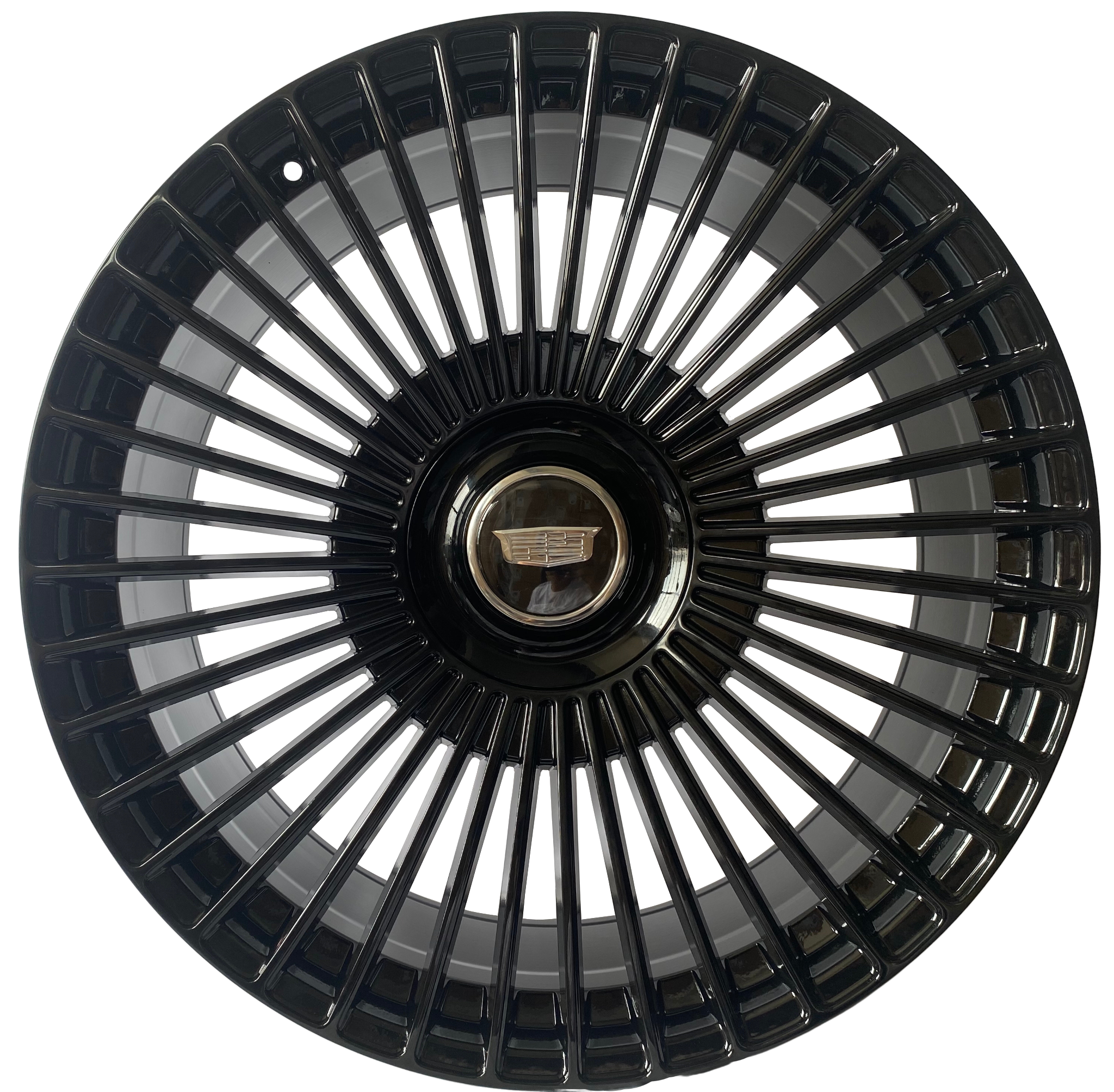
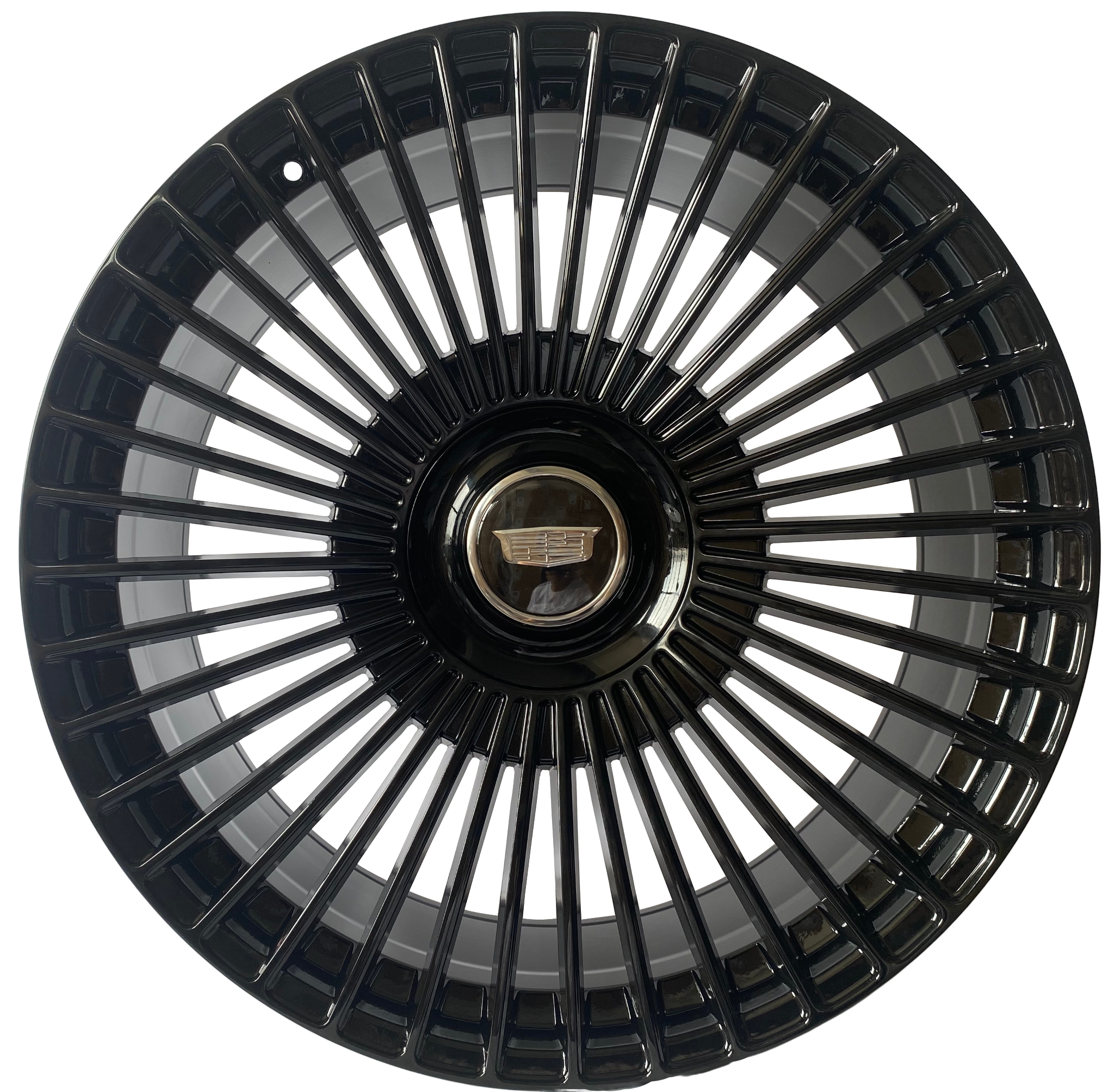


A higher-strength alloy isn’t automatically the better wheel choice. 6061-T6 is aluminum alloy strengthened through solution heat treatment followed by aging. In an adv1 wheels build quality vs custom bespoke 6061-T6 forged wheels comparison, the meaningful distinction is how the wheel is engineered and made, not the name alone. Forging can create a lighter wheel while retaining the strength needed to meet its load rating.
It makes sense to look beyond appearance and ask what the material and manufacturing method actually mean. This article explains the T6 temper, how forging differs from casting, and why strength-to-weight balance matters when choosing wheels. You’ll also see which build details help you compare wheel options for a luxury vehicle, so the decision rests on engineering and fit rather than assumptions.
Key Takeaways
- Understand what the T6 temper means and why alloy strength alone doesn’t determine the best wheel choice.
- See how forging, casting, and flow forming shape a wheel differently, and why the manufacturing process matters.
- Learn how forged-wheel design can balance strength and weight by placing material where it contributes most.
- Compare ADV.1 and bespoke forged wheels by looking beyond the label to construction, fit, and the demands of your vehicle.
Why use 6061-T6 instead of stronger 7075 aluminum?
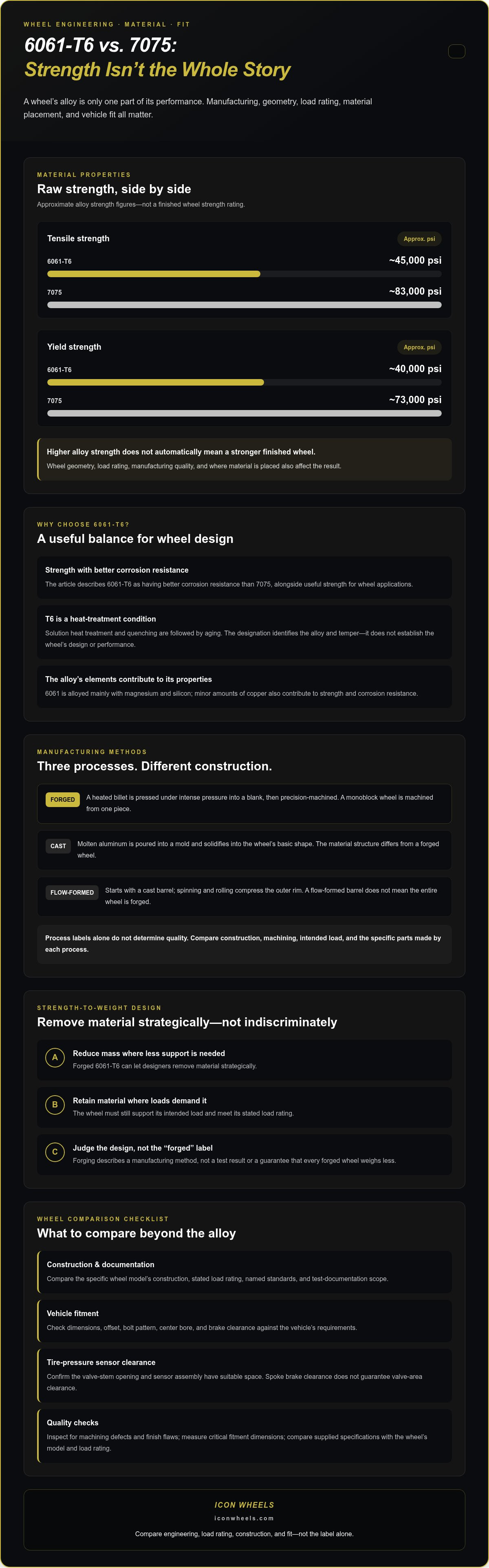
For forged wheels, the strongest alloy on paper isn’t automatically the best choice. Forged 6061-T6 aluminum combines useful strength with better corrosion resistance than 7075. Its balance makes it a practical material for wheels exposed to road conditions, while the wheel’s design determines how effectively that strength is used.
6061 aluminum is alloyed mainly with magnesium and silicon. Magnesium strengthens the alloy through solid-solution strengthening. Silicon works with magnesium to improve strength and lower the alloy’s melting temperature. Minor amounts of copper contribute to strength and corrosion resistance. Together, these elements create an aluminum alloy that can be shaped and heat-treated for demanding applications.
The “T6” describes a heat-treatment condition, not a separate alloy. First, solution heat treatment and quenching dissolve magnesium and silicon into the aluminum. Then the quenched alloy is aged at an elevated temperature. Dissolved elements precipitate in a controlled way, increasing yield strength and hardness. In a VF01 6061-T6 forged-aluminum construction, the designation identifies the alloy and temper; it does not, by itself, establish the wheel’s design or performance.
Strength figures show why 7075 can sound appealing. Forged 6061-T6 aluminum has tensile strength of roughly 45,000 psi and yield strength near 40,000 psi. 7075 aluminum reaches roughly 83,000 psi tensile strength and 73,000 psi yield strength. Those values describe material properties, not complete wheel strength. Wheel geometry, load rating, manufacturing quality, and material placement also matter.
So why choose 6061-T6? It offers a useful strength-to-weight design basis and better corrosion resistance than 7075. The alloy is also used in aerospace, military applications, Formula 1, and drag racing. For an adv1 wheels build quality vs custom bespoke 6061-T6 forged wheels comparison, weigh the alloy alongside construction and intended vehicle use, rather than treating higher raw strength as the only measure.
What is forging, and how is it different from casting?
Forging shapes aluminum under intense pressure before final machining. A heated billet is pressed with thousands of tons of force, compacting the material into a wheel blank. The forged blank is then precision-machined into its final form. A monoblock wheel is machined from one piece rather than assembled from separate sections. This process gives designers flexibility in shaping the spokes, hub, and barrel.
Casting follows a different process. Molten aluminum is poured into a mold and solidifies into the wheel’s basic shape. This can create intricate forms, but the wheel’s material structure differs from that of a forged wheel. The label alone does not determine quality: construction, machining, and intended load all matter when comparing finished products.
Flow forming combines elements of both methods. It starts with a cast barrel, then spinning and rolling compress the outer rim. This differs from forging an entire billet. When evaluating a wheel, check which parts use each process: a flow-formed barrel does not mean the whole wheel is forged.
Tire-pressure-sensor compatibility is another practical detail. The wheel needs a suitable valve-stem opening and enough clearance for the vehicle’s sensor assembly. Sensor type and mounting position can affect whether the original sensor fits the replacement wheel. For example, a wheel’s spokes may provide ample brake clearance while the valve area still needs room for the sensor. Treat sensor fit as part of wheel fitment, not as an automatic benefit of forged construction.
For a bespoke design, consider how manufacturing method, vehicle fitment, and sensor placement work together. Those details make a more useful comparison than process labels alone. Explore wheel design details as part of evaluating how a finished wheel suits your vehicle.
Forged-wheel strength-to-weight benefits
Forged 6061-T6 wheels can weigh less while meeting their load ratings. The alloy’s strength lets manufacturers remove material strategically. They can reduce mass in areas that need less support. They retain material where loads demand greater strength. This is a design advantage, not a promise that every forged wheel weighs less. Wheel dimensions, spoke geometry, and load requirements shape the result.
A luxury vehicle’s wheels must support their intended load. Removing material without accounting for that load can compromise the design. Good engineering balances the wheel’s structure with its purpose. The goal is not simply the lowest possible weight, but a wheel that meets its load rating without unnecessary material.
The adv1 wheels build quality vs custom bespoke 6061-T6 forged wheels comparison should therefore look beyond alloy labels. Compare each wheel’s stated load rating and construction. Then consider how its design allocates material. These details help explain whether a lighter design still suits the vehicle’s demands.
For ADV.1 and bespoke makers, treat testing and certification as specific to each wheel model. “Forged” describes a manufacturing method, not a test result; compare named standards, load ratings, and the scope of any test documentation.
Customization can address dimensions, offset, bolt pattern, center bore, and brake clearance. Because fitment tolerances are design-specific, compare the wheel’s measurements with the vehicle’s requirements. A tailored appearance matters, but precise fitment is essential.
Common quality-control risks include dimensional mismatches, machining defects, finish flaws, and differences between stated and supplied specifications. Assess them through visual inspection, measurement of critical fitment dimensions, and comparison of the wheel’s documentation with its model and load rating. Each check evaluates a different aspect of the finished wheel.
What are the strength, fatigue, impact, and weight differences between ADV.1 and bespoke forged wheels?
There’s no universal strength or weight winner based on the ADV.1 or bespoke label alone. A meaningful comparison matches wheel size, vehicle load, alloy, and design. A forged 6061-T6 wheel’s spoke shape and material distribution affect how it handles stress. Compare the complete wheel specifications, not brand names in isolation.
Fatigue refers to repeated loading as a wheel rotates over roads. Each cycle places stress on areas such as the spokes, hub, and transitions between them. Geometry and machining influence how that stress is distributed. When comparing wheels with similar dimensions, consider their intended load ratings and documented construction. The word “forged” alone does not establish fatigue performance.
Impact response also depends on the alloy and wheel design. Forged 6061-T6 is ductile, so it tends to bend rather than shatter under impact. A bend can still affect safe use or fitment. After a hard impact, visible damage around the rim or spokes deserves attention, even if the tire remains inflated.
Weight comparisons need equal terms. Compare wheels with the same diameter, width, and intended load, rather than contrasting unlike configurations. A bespoke design can tailor dimensions and shape to a vehicle, while each finished wheel’s mass depends on its specific geometry and material use. ADV.1 branding alone doesn’t establish a weight advantage over a custom design.
For a careful comparison, review the specifications side by side: alloy and temper, dimensions, load rating, construction details, and wheel weight. Then consider how the vehicle is used. A road-focused luxury sedan and a vehicle regularly carrying heavy loads place different demands on wheel design. Choose specifications that match the vehicle’s actual requirements, not assumptions based on a label.
Ready to explore custom built forged wheels for your vehicle? Compare fitment and design priorities before choosing a finished wheel.
ICON WHEELS: Wheels For Mercedes
ICON WHEELS offers a vehicle-focused starting point for comparing forged-wheel options for Mercedes. Its Wheels For Mercedes offering is tailored to the marque, while Custom Built Forged Wheels suits drivers seeking a distinctive design. The right choice depends on your vehicle and the balance you want between appearance, fitment, and performance.
ICON WHEELS also offers Wheels For Rolls Royce and Wheels For Land Rover. Explore these options when choosing forged wheels for either marque. For a Mercedes, start with the model and the wheel specifications that matter to your build. Then consider how a custom design can complement the vehicle while maintaining precise fitment.
Contact ICON WHEELS to discuss your wheel needs, or visit iconwheels.com.
Make Your Next Wheel Choice With Purpose
Let your next decision begin with the vehicle itself. Consider how you drive, the look you want, and the fitment priorities your build demands. Then use the adv1 wheels build quality vs custom bespoke 6061-T6 forged wheels comparison as a framework for weighing options, not as a substitute for choosing what suits your own vehicle.
ICON WHEELS offers Wheels For Mercedes, Wheels For Rolls Royce, and Wheels For Land Rover. If you drive one of these marques, start with your preferred style and vehicle fitment for a focused conversation about wheels.
A considered choice can bring a more distinctive finish to the vehicle you’ve made your own. Contact ICON WHEELS about your wheels, and take the next step toward a design that reflects your vision.
Frequently Asked Questions
What does “6061-T6” actually mean?
6061 identifies the aluminum alloy, while T6 identifies its temper condition. On a wheel specification, the designation tells you about the material and its treatment, not the wheel’s complete quality or fitment. For example, two wheels can both use 6061-T6 yet differ in spoke geometry, dimensions, machining, and intended load. Compare those details alongside the alloy designation.
Are forged wheels stronger than cast wheels?
Forging can produce a strong wheel with an efficient strength-to-weight balance, but the process label alone cannot show which finished wheel is stronger. Compare wheels with the same dimensions and intended vehicle load, then consider each design’s geometry, material, and stated load rating. A cast wheel’s performance also depends on its engineering, so compare complete specifications rather than manufacturing terms alone.
Do forged wheels crack or bend?
Yes. A forged 6061-T6 wheel can bend under impact, and a sufficiently severe impact can also cause cracking or other damage. The outcome depends on impact severity, wheel geometry, and the condition of the wheel beforehand. After striking a major road hazard, look for visible bends or cracks and have the wheel assessed before relying on it.
Does the forged material make a real-world difference?
A lighter wheel reduces unsprung mass, which can help fuel consumption, but it must still meet the vehicle’s load and fitment requirements. For a practical comparison, look at wheels with matching dimensions and intended use, then compare their actual weights alongside those specifications. This is more useful than choosing by construction label alone.
What customization options and fitment tolerances are available from ADV.1 versus bespoke wheel builders?
Customization can address dimensions, offset, bolt pattern, center bore, and brake clearance. Fitment tolerances are design-specific, so compare each wheel’s actual measurements with the vehicle’s requirements; the ADV.1 or bespoke label alone does not establish a difference.
