
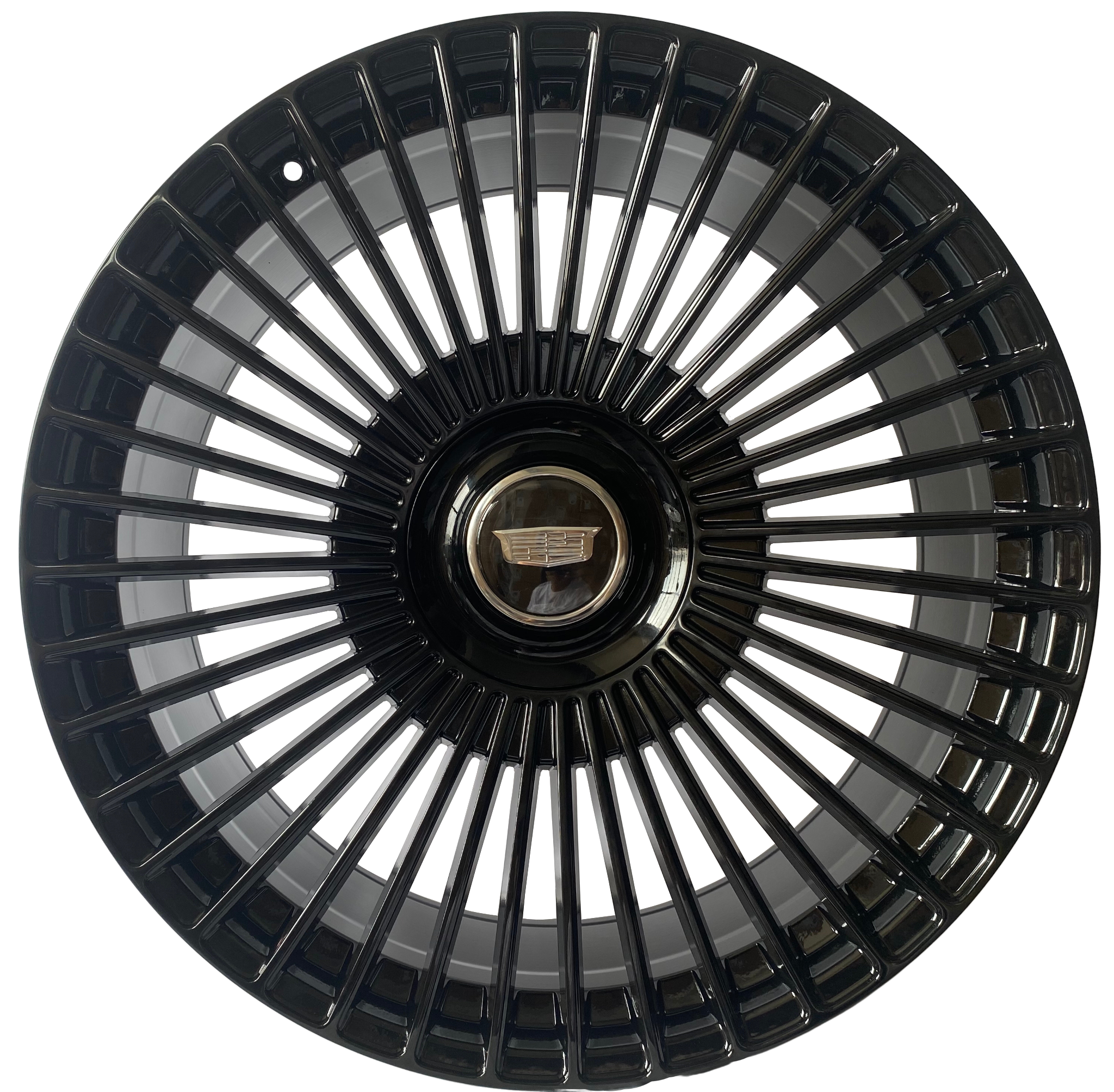
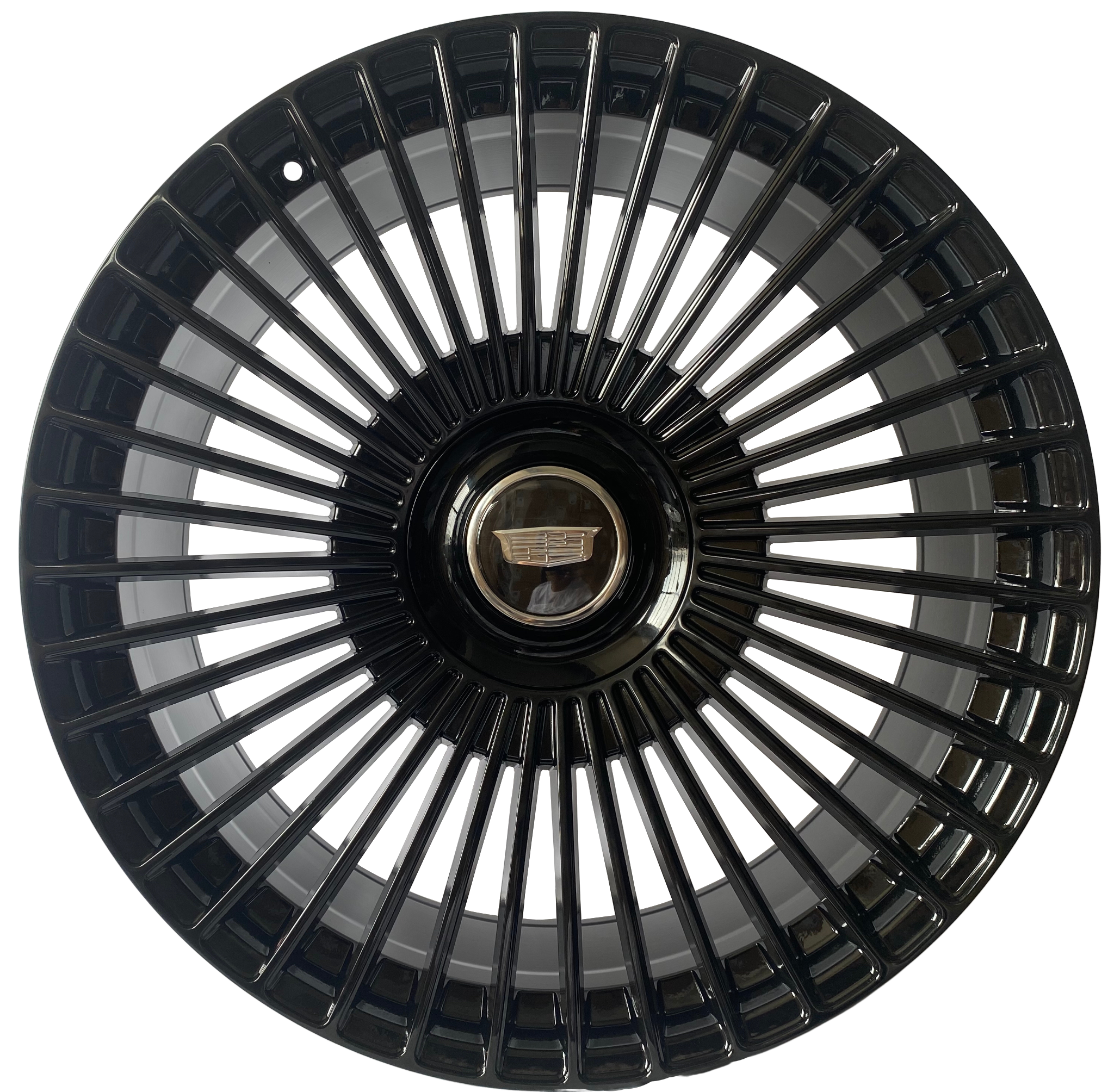


On a Rolls-Royce Phantom, wheel choice is an engineering decision as much as a design statement. The right forged wheels for Rolls Royce Phantom pair a distinctive presence with the strength-to-weight advantages often associated with forged construction. That balance matters on a substantial luxury sedan: the wheels need to suit the vehicle’s requirements while complementing its composed ride and unmistakable design.
It’s natural to be cautious about changing a car built around comfort and precision. You may want a look that stands apart from factory specifications without adding unnecessary unsprung weight or compromising fitment. Custom-engineered forged aluminum wheels offer a different construction from cast alternatives, while model-specific dimensions help ensure the wheel works with the vehicle’s geometry and clearances.
This 2026 guide explains what to consider when comparing wheel construction, how monoblock and multi-piece designs differ, and why fitment details such as offset and center bore matter. You’ll also find practical ways to evaluate wheel proportions and finishes, with ride quality and fitment at the center of the decision.
Key Takeaways
- Learn why wheel strength and weight matter when choosing forged wheels for Rolls Royce Phantom.
- See how forging shapes aluminum and how the process differs from cast construction.
- Compare monoblock and three-piece designs to understand the trade-offs in weight, styling, and customization.
- Explore how wheel diameter, offset, and finish shape the Phantom’s stance and overall appearance.
- Discover how custom-engineered fitment can create a distinctive look while respecting the Phantom’s design requirements.
Engineering the Perfect Stance: Why the Phantom Requires Forged Wheels
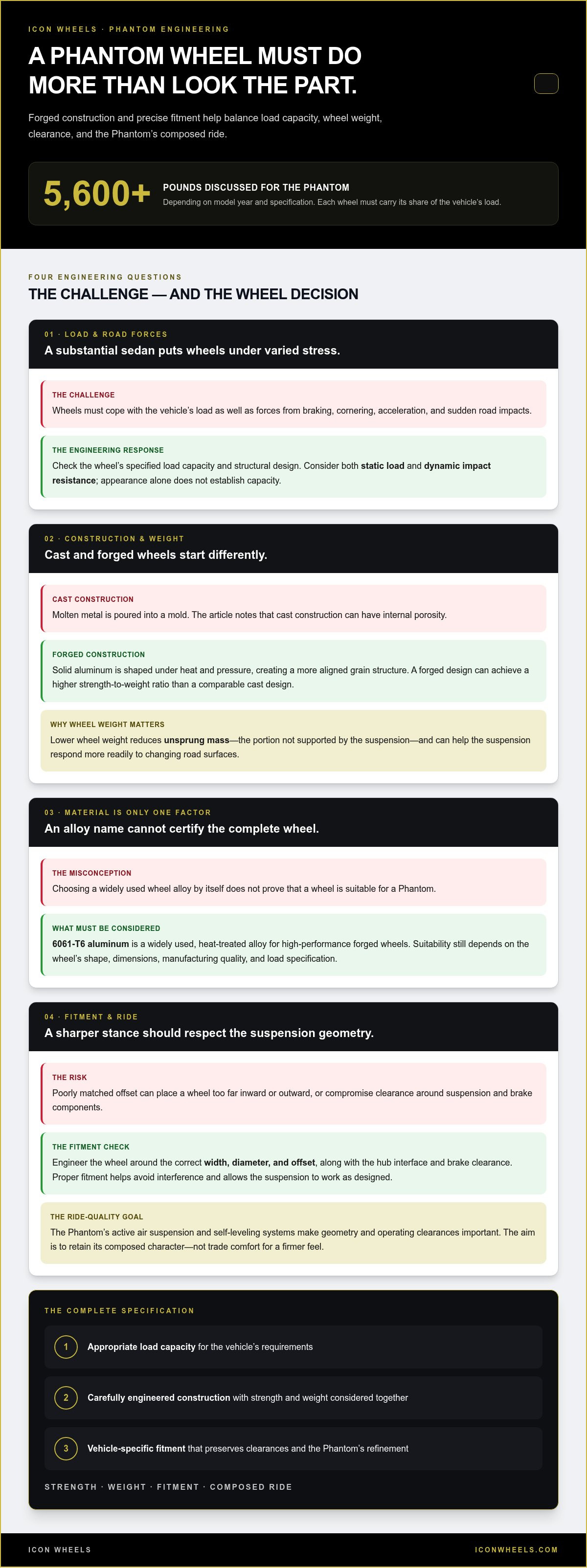
The Phantom’s commanding presence comes with substantial mass. Depending on model year and specification, its weight is often discussed in the range of 5,600 pounds or more, so each wheel must do more than complete the design. It must carry its share of the vehicle’s load while coping with forces from braking, cornering, road impacts, and acceleration. That’s why choosing forged wheels for Rolls Royce Phantom is an engineering decision as well as a styling one.
Cast wheels are formed by pouring molten metal into a mold. Forged wheels begin with solid aluminum shaped under heat and pressure. This forging process creates a more aligned grain structure, allowing engineers to design for strength without relying on excess material. A forged design can achieve a higher strength-to-weight ratio than a comparable cast design, though the finished wheel’s performance depends on its material, shape, and manufacturing quality. Lower wheel weight also reduces unsprung mass, the portion of the vehicle’s weight not supported by the suspension. Less mass for the suspension to control can help it respond more readily to changing road surfaces.
Load Ratings and Structural Integrity
6061-T6 aluminum is a widely used, heat-treated alloy for high-performance forged wheels. Its strength and machinability make it suitable for carefully engineered designs, but the alloy alone doesn’t establish whether a wheel is right for a Phantom. The wheel’s shape, dimensions, manufacturing quality, and load specification all matter.
A wheel’s load rating is the maximum weight that wheel is designed to support. Static load refers to the weight a wheel carries while the vehicle is stationary or moving steadily. Dynamic impact resistance concerns additional stresses from potholes, sharp road edges, and other sudden impacts. A suitable design must account for both, rather than treating the vehicle’s weight as a simple, unchanging figure. Match the wheel specifications to the vehicle’s requirements, and don’t assume that a premium appearance proves adequate capacity.
Preserving the Magic Carpet Ride
Reducing unsprung weight can help the suspension track bumps with less effort. It may also make steering feel less burdened, since the steering system has less wheel mass to manage as direction changes. The goal isn’t to make the Phantom feel firm or eager at the expense of comfort. It’s to retain its composed character while choosing a wheel designed with strength and weight in balance.
The Phantom’s active air suspension and self-leveling systems depend on the vehicle’s suspension geometry and operating clearances. A bespoke wheel should therefore be engineered around the correct fitment, including width, diameter, and offset. Offset determines how the wheel sits in relation to the hub and fender. If it’s poorly matched, the wheel may sit too far inward or outward, or compromise clearance around suspension and brake components. Properly considered fitment helps avoid interference and allows the suspension to work as designed.
For a heavy luxury sedan, confidence comes from the complete specification: appropriate load capacity, carefully engineered construction, and fitment suited to the vehicle. Custom forged wheels can bring a sharper stance, but the Phantom’s refinement remains the benchmark.
The Forging Process: Precision Engineering for the 2026 Phantom
A bespoke wheel begins long before its finish is selected. For a Phantom, engineering must account for the intended dimensions, hub interface, brake clearance, and the forces the wheel may encounter in use. Forging shapes heated aluminum under pressure, encouraging a more aligned grain structure than casting. The process can reduce the internal porosity associated with cast construction, but strength still depends on the finished design, material, and manufacturing quality.
That distinction matters because a wheel is both a visible design element and a structural component. A custom specification should be developed around the Phantom’s fitment requirements rather than appearance alone. For forged wheels for Rolls Royce Phantom, the goal is a precise match between the wheel, the vehicle, and the owner’s chosen aesthetic.
From Aerospace Aluminum to Luxury Rims
The transformation starts with a solid aluminum billet, which is forged and then shaped through precision machining. CNC equipment cuts the face, spokes, mounting surfaces, and other details to the design specification. This controlled process enables intricate forms while keeping critical dimensions consistent. The final surface treatment adds another layer of personalization, from understated finishes to more expressive contrasts. ICON WHEELS specializes in custom-built forged wheels for luxury vehicles, and its guide to custom forged wheel finishes explores how finish choices influence the overall look.
FEA Testing: Simulation Before Production
Finite Element Analysis (FEA) can be used to simulate how a digital wheel design responds to applied forces. The model is divided into small sections so engineers can examine stress across the design, including areas around spokes and mounting points. This kind of analysis can help identify areas for refinement before production. It supports design decisions, but it does not replace appropriate manufacturing quality controls.
Road impacts are not limited to ideal test conditions. Potholes and debris can produce abrupt loads, while driving speed changes the conditions a wheel may encounter. Simulation assesses a design under defined stress cases, but no single result should be treated as proof against every real-world impact. The objective is considered engineering, not an absolute promise of damage-free use.
Fitment precision is just as important as material and shape. A hub-centric wheel centers on the vehicle’s hub, helping maintain accurate alignment; correct dimensions can avoid the need for spacers. Engineers must also preserve clearance around brakes and suspension components. TPMS compatibility matters too: the wheel design should accommodate the Phantom’s tire-pressure monitoring sensors so the system can continue to function as intended.
Bring together the material, machining, stress analysis, and fitment details, and the result is more than a striking profile. It’s a wheel developed with the Phantom as a complete vehicle in mind. Owners considering a tailored approach can view ICON WHEELS’ custom forged wheel solutions as a starting point for considering the right engineering and finish direction.
Monoblock vs. Multi-Piece: Choosing the Right Forged Construction
Construction shapes more than a wheel’s appearance. It influences design flexibility, visual depth, and how the finished wheel complements the Phantom. Monoblock wheels are machined from one piece of aluminum, while multi-piece designs combine separate components. Neither format automatically makes a wheel the right choice. The best fit depends on the balance you want between a clean profile, intricate detailing, and a more dramatic rim edge.
Use your preferred Phantom character as a design guide. A restrained Series II-inspired look may call for a refined, uncluttered face. A darker, more assertive Black Badge direction may suit stronger contrast or a more pronounced profile. These are aesthetic cues, not fixed rules.
- Monoblock: A single-piece construction for a streamlined appearance and a focus on strength-to-weight balance.
- Two-piece: A wheel center and rim section that allow added design flexibility while retaining a composed, integrated look.
- Three-piece: Separate center, inner barrel, and outer lip components, offering extensive options for depth and finish contrast.
The Monoblock Advantage for Performance
With no separate wheel sections joined together, a monoblock offers a clean, continuous face and avoids the added connection points found in multi-piece construction. That makes it a compelling option for owners who prioritize a cohesive design and a responsive steering feel. On the Phantom’s broad side profile, sculpted spokes can create a modern statement without adding visual clutter. Compare the engineering considerations in this guide to Rolls Royce OEM wheels vs custom forged.
The Versatility of Multi-Piece Designs
Multi-piece construction offers more ways to shape the wheel’s personality. A deeper outer lip can create a pronounced “deep dish” effect, while contrasting finishes distinguish the center from the rim. Exposed hardware reads as technical and expressive; concealed hardware creates a smoother, more understated transition. Two-piece designs offer a middle ground, while three-piece configurations generally provide the broadest component and finish flexibility.
There can also be a practical advantage: if the rim edge is damaged, a multi-piece design may allow the affected component to be replaced instead of the complete wheel. That depends on the wheel’s construction, damage, and repairability, so it isn’t a universal guarantee. Added construction details can also mean more seams and upkeep than a monoblock design.
Choose monoblock for visual continuity and simplicity. Consider multi-piece construction when lip depth, finish separation, or component-level serviceability matters more. ICON WHEELS sells custom-built forged wheels for luxury vehicles, including Rolls-Royce models. Explore custom forged wheel options as you refine the construction and detailing that suit your preferred look.
Selection Criteria: Size, Offset, and Finish for the Phantom
A wheel should complement the Phantom’s proportions, not overpower them. A 22-inch diameter can retain a restrained, classic appearance, while a 24-inch option creates a more commanding profile. The right choice depends on the car’s specification, the desired stance, and how much visual emphasis you want the wheels to carry. Larger is not automatically better. The goal is a deliberate balance between the wheel face, tire sidewall, and long bodywork.
The Phantom’s scale allows larger wheels to make a statement without looking oversized, provided the design and fitment are proportioned carefully. A 24-inch forged wheel can fill the broad wheel arches more fully, but its engineering must still account for load capacity, road impacts, and appropriate tire fitment. Diameter alone doesn’t determine strength. The complete wheel design and its specifications matter.
The Visual Balance of Large-Diameter Wheels
Offset determines how far the wheel sits inward or outward relative to its mounting surface. A carefully selected offset can position the wheel close to flush with the fender for a wider, more purposeful stance. Too much inward or outward placement can affect clearance at the fender, suspension, or brakes. Custom fitment should be based on the specific Phantom, not appearance in isolation.
Preserve the details that make a Rolls-Royce unmistakable. If you value self-righting center caps, the wheel’s center-cap interface should be designed to accommodate compatible caps and retain their intended function. Treat this as part of the fitment brief, alongside diameter, width, and offset.
Custom Finishes That Command Respect
Finish gives the wheel its final character. Brushed or polished aluminum can echo the Phantom’s chrome brightwork and the visual presence of the Spirit of Ecstasy. Powder-coated finishes offer a different expression, from subtle contrast to a darker, more assertive look. Two-tone treatments can bridge both directions, pairing a darker base with brighter machined details. For a Black Badge-inspired appearance, restrained dark finishes can complement the trim without competing with the car’s lines.
High-polish surfaces deliver a crisp, reflective effect that stands out on the flagship sedan. Their appearance depends on care: brake dust and environmental residue can affect any wheel finish if left to build up. Clear coats can provide a protective surface, but their durability varies by finish and product. Choose a finish suited to the look you want and follow its care requirements.
For forged wheels for Rolls Royce Phantom, make the decision as a complete specification: size for proportion, offset for placement, finish for visual harmony, and center-cap compatibility for marque-specific detail. ICON WHEELS specializes in custom-engineered forged wheels for luxury vehicles. Explore custom forged wheel options to shape a specification around your vehicle and design priorities.
ICON WHEELS: Bespoke Forged Solutions for the Phantom
A Phantom deserves wheels developed around the car, not a generic design chosen by appearance alone. ICON WHEELS specializes in custom-engineered forged wheels for luxury vehicle brands, including Rolls-Royce. A custom wheel specification brings together the owner’s visual direction and the vehicle’s requirements, making wheel choice a considered part of the car’s identity.
That process is personal, but it is also technical. Diameter, width, offset, brake clearance, center-cap details, and finish all influence the final specification. A bold face or distinctive finish only works if the wheel is suited to the Phantom it will be fitted to. Custom forged wheels for a Rolls-Royce let you consider those choices together rather than relying on an off-the-shelf look.
The ICON Engineering Advantage
ICON WHEELS focuses on custom-built forged aluminum wheels and model-specific fitment for luxury vehicles. The wheel design can be tailored to the vehicle’s mounting geometry and the owner’s chosen appearance, with attention to details such as clearance and compatibility with the vehicle’s systems. The result is a bespoke specification shaped around the car, rather than a design selected by style alone.
ICON WHEELS serves luxury-car owners across the United States through its custom wheel sales. Phantom owners can explore forged wheel solutions with the vehicle’s engineering requirements and preferred finish in mind.
How to Start Your Custom Build
Start with a clear design brief. Share the Phantom’s model details, the stance you want, preferred wheel construction, finish direction, and any marque-specific elements you want to retain. These details help shape a specification that balances personal expression with fitment requirements. ICON WHEELS sells custom-built forged wheels, allowing you to develop a design direction around the vehicle instead of settling for a standard configuration.
Wheel design and specification involve more than choosing a finish. Consider how the dimensions, construction, and details work together, then arrange professional mounting once the wheels are ready. ICON WHEELS sells the wheels; mounting is a separate step.
Bring a reference image, finish preference, or a simple description of the look you’re after. A refined, understated face and a more dramatic, high-contrast design call for different choices, and a well-defined brief makes those decisions easier to translate into a cohesive wheel concept. Every detail should serve the Phantom’s presence, from the overall silhouette to the finish seen at close range.
For forged wheels for Rolls Royce Phantom, choose a build shaped around your car and your vision. Explore custom forged wheels for your Rolls Royce Phantom and take the first step toward a distinctive, purpose-built specification.
Make Your Phantom’s Next Statement Personal
The next step is to turn your vision into a specification that feels unmistakably yours. Decide what you want the wheels to express: quiet refinement, sharper contrast, or a more commanding presence. Then bring those preferences into a custom design shaped around your Phantom, rather than settling for a look chosen for a different car.
With forged wheels for Rolls Royce Phantom, individuality should sit alongside engineering discipline. ICON WHEELS creates custom-built forged wheels for luxury vehicles, with fitment and design selected to suit the vehicle and the owner’s preferences. Customers across the United States can explore its custom wheel solutions for a bespoke project.
Give the details the same care you give the car. A considered design brief can help translate your preferred stance, finish, and character into a cohesive build. Explore the possibilities and take the next step toward a wheel specification created for your Phantom.
Explore Bespoke Forged Wheels for Your Rolls Royce Phantom
Make a choice that reflects your vision and lets your Phantom stand apart with confidence.
Frequently Asked Questions
Do forged wheels affect the Rolls Royce Phantom’s ride quality?
They can influence ride and steering feel, but the result depends on the wheel’s weight, diameter, tire setup, and fitment. A lighter wheel may help the suspension respond to sharp road changes, while a larger diameter often leaves less tire sidewall to cushion impacts. For a comfort-focused Phantom, consider the complete wheel-and-tire combination, not the wheel alone, and prioritize the balance that suits your usual roads.
What is the best wheel size for a Rolls Royce Phantom?
There isn’t one ideal size for every Phantom. A 22-inch setup can preserve a more traditional proportion, while 24 inches makes a stronger visual statement. Decide based on the specific model, intended tire dimensions, road conditions, and the level of ride comfort you want. Before settling on a size, ensure the tire’s overall diameter and load capability suit the vehicle, and that the wheel clears the brakes and suspension.
Can I still use the self-righting center caps with ICON WHEELS?
A custom wheel specification can be designed to accommodate compatible self-righting center caps. Include this preference at the start of the design process, since the wheel’s center-cap interface needs to suit the cap and allow clearance for its movement. Check the cap after mounting to ensure it sits correctly and can rotate as intended. Preserving this detail keeps a signature Rolls-Royce touch in view.
How much lighter are forged wheels compared to the factory Phantom rims?
There isn’t a single reliable weight difference for every Phantom, because factory wheel specifications and custom designs vary by model, diameter, width, and construction. Compare the actual weight of each wheel in the same size, rather than relying on a broad claim or a different vehicle’s figures. Compare the proposed wheel’s per-wheel weight with your current rims to estimate the change for your specific setup.
Does installing custom forged wheels void my Rolls Royce warranty?
Not necessarily; a wheel change alone doesn’t establish that every part of a vehicle warranty is void. Coverage depends on the warranty terms and the circumstances of a specific claim, including whether a component or installation contributed to a problem. Review the written warranty for your vehicle and retain the wheel specifications and purchase records. This is general information, not a determination of your warranty rights.
What is the lead time for a custom set of forged Rolls Royce wheels?
The time required for a custom set depends on its design, construction, finish, and engineering requirements. A straightforward specification and a highly detailed bespoke face may involve different production steps. Plan around the custom-build process rather than assuming the timing of a standard stocked item. Arrange mounting after the finished wheels are ready.
Why is 6061-T6 aluminum the preferred material for luxury wheels?
6061-T6 combines useful strength with good machinability, making it well suited to precision-shaped wheel designs. The “T6” designation refers to a heat-treated condition that gives the alloy its specified mechanical properties. For a custom wheel, this lets designers create detailed forms while engineering around the vehicle’s requirements. Material choice matters, but it works alongside wheel geometry, manufacturing controls, and the intended load specification.
Are 24-inch wheels safe for daily driving on a Phantom?
They can be suitable for daily use when the complete setup is correctly engineered for the specific Phantom. Check wheel load capacity, offset, brake clearance, and tire specifications together. A 24-inch wheel typically leaves less sidewall for absorbing sharp impacts than a smaller-diameter setup, so potholes and rough roads deserve consideration. Safety depends on the finished fitment and careful use, not diameter alone.
