
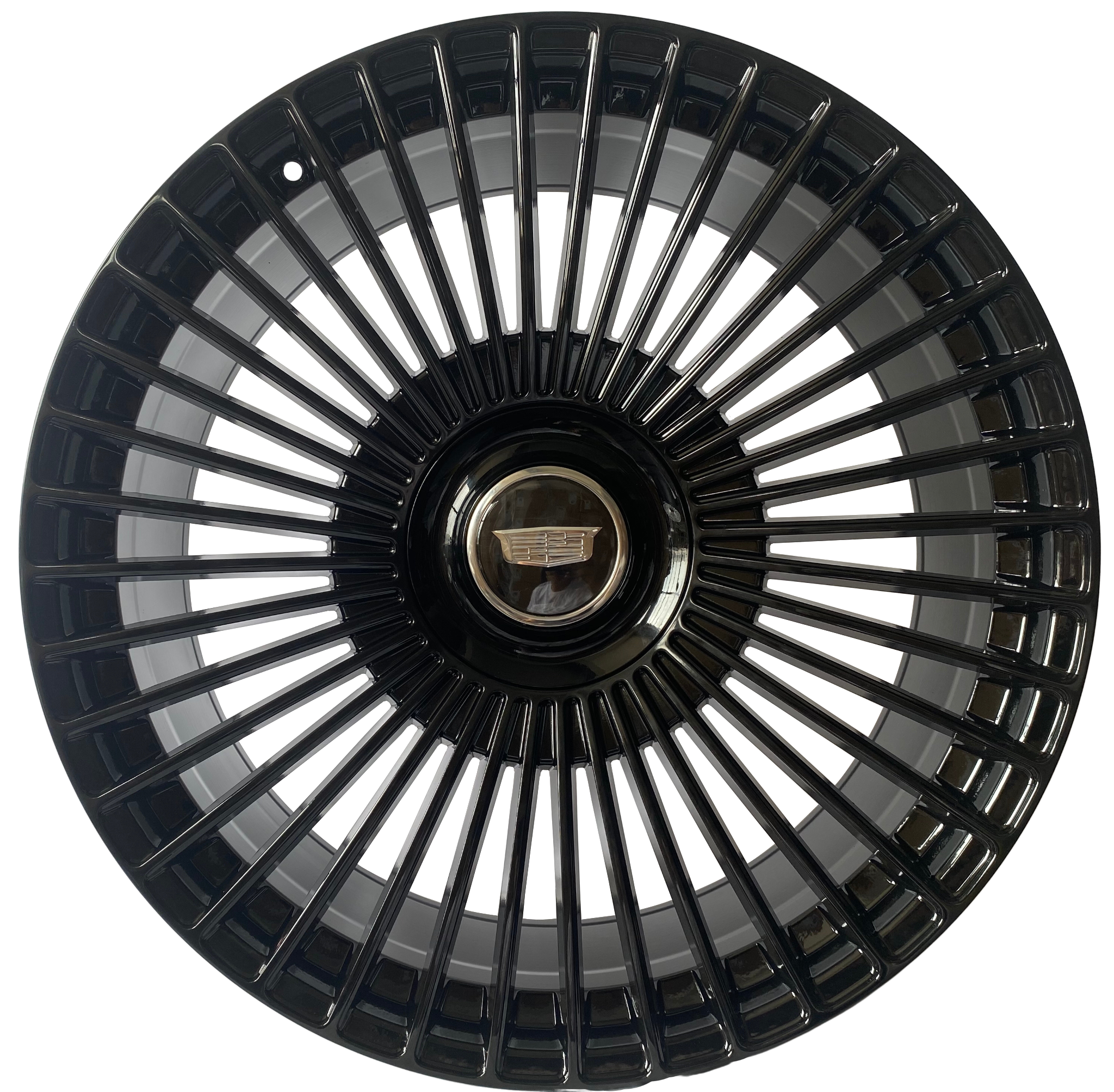
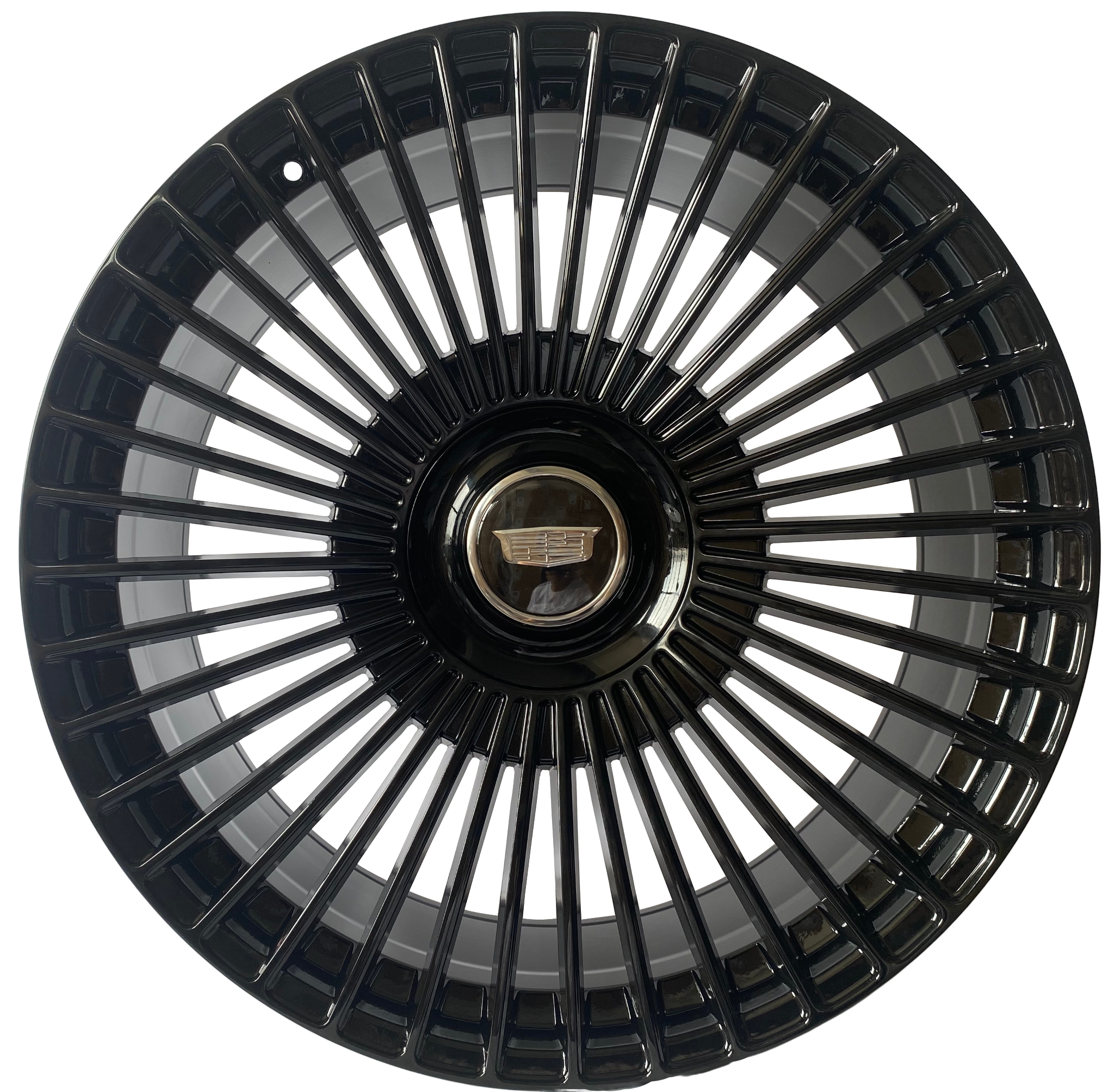


For a modern Range Rover Sport, 22-inch wheels often strike the strongest balance between a commanding look and composed handling. If you’re asking what wheel size looks best on a Range Rover, 22 inches is a confident choice for style without going straight to the firmer ride associated with a lower-profile tire. The full-size Range Rover can take a more dramatic step, with options up to 23 inches.
Larger wheels can fill the arches and give a Range Rover a sharper, more contemporary stance. But wheel diameter also affects tire sidewall height, which influences ride feel. The best-looking setup complements the vehicle rather than just looking good in a photograph.
This guide explains what 22-inch Range Rover wheels are, how they influence appearance and handling, and how sizing applies to the Range Rover Sport. You’ll also see how 20-, 22- and 23-inch options compare, and why the right fit depends on the specific model and setup. Choose with both presence and performance in mind.
Key Takeaways
- Choose wheels by your Range Rover’s exact generation, model year, and modification; fitment details can change between versions.
- Compare wheel diameter with tire sidewall height: a larger rim can sharpen the stance, while a taller sidewall supports a more comfort-focused setup.
- For the Range Rover Sport, wheel options depend on the powertrain, so the most suitable size is not determined by appearance alone.
- Consider 20-inch wheels for a taller tire sidewall, 22-inch wheels for a style-and-handling compromise, and 23-inch wheels for a more dramatic look with a firmer ride.
- When changing sizes, keep the overall tire-and-wheel diameter close to the original setup and prioritize precise model-specific fitment.
What are Range Rover 22-Inch Wheels?
A 22-inch Range Rover wheel measures 22 inches across its rim, not across the complete tire. The right size depends on the model, generation, modification, and region.
Wheel sizing has expanded from 16-inch utility rims to 23-inch options on flagship models. The Range Rover Sport, Range Rover Velar, and full-size Range Rover can use 22-inch wheels. The Evoque’s available wheel options reach 21 inches, while the Velar allows options up to 22 inches. Full-size Range Rover and Range Rover Sport options reach 23 inches.
Generation and Model-Year Fitment
Generation- and model-year-specific fitment means matching wheel specifications to the vehicle’s production generation and year.
- Range Rover Classic: first generation, 1970 through 1996.
- Range Rover P38A: second generation, 1994 through 2002.
- Range Rover L322: third generation, 2002 through 2005.
- L322 facelift: 2005 through 2009, then 2009 through 2012.
- Range Rover L405: fourth generation, 2012 through 2017.
- L405 facelift: 2017 through 2021.
- Range Rover L460: fifth generation, 2021 through 2027.
These year ranges can narrow your search, but they do not establish fitment on their own. Wheel and tire sizes may vary by modification, model year, and sales region. Identify the generation first, then check the exact modification and region.
Model Fitment and Bolt Patterns
Model-specific fitment means choosing wheel specifications suited to a particular Range Rover model and modification.
Common Range Rover bolt patterns include 5x10⁸ and 5x120.65. Full-size Range Rover and Range Rover Sport models use 5x120, while Velar and Evoque models typically use 5x10⁸. Bolt pattern alone isn’t enough: offset and center bore can also change between generations.
The center bore is the opening at the wheel’s center that fits over the vehicle’s hub. A typical Range Rover hub bore is 72.6 mm, but the exact specification varies by model and year. Fitment details should correspond to the vehicle’s generation, modification, and sales region, rather than the Range Rover name alone.
For a precise match, identify the model year or generation, then select the modification. The relevant fitment specifications include OEM bolt pattern, offset, center bore, and recommended rim and tire sizes. This approach matters especially for 22-inch wheels, because a correct diameter doesn’t guarantee that the wheel’s other dimensions suit the vehicle.
A driver’s-door-jamb tire placard usually shows the factory tire size. The owner’s manual is another place to find it. Use those details as a starting point, then compare the wheel’s complete fitment specifications. A 22-inch setup can deliver a substantial visual presence, but model-specific measurements determine whether it is suitable.
Appearance and handling effects of 22-inch wheels
A 22-inch wheel is a rim with a 22-inch diameter, paired with a tire selected to suit the vehicle. On a Range Rover, that larger rim creates a pronounced visual presence, while the tire’s sidewall influences comfort and response.
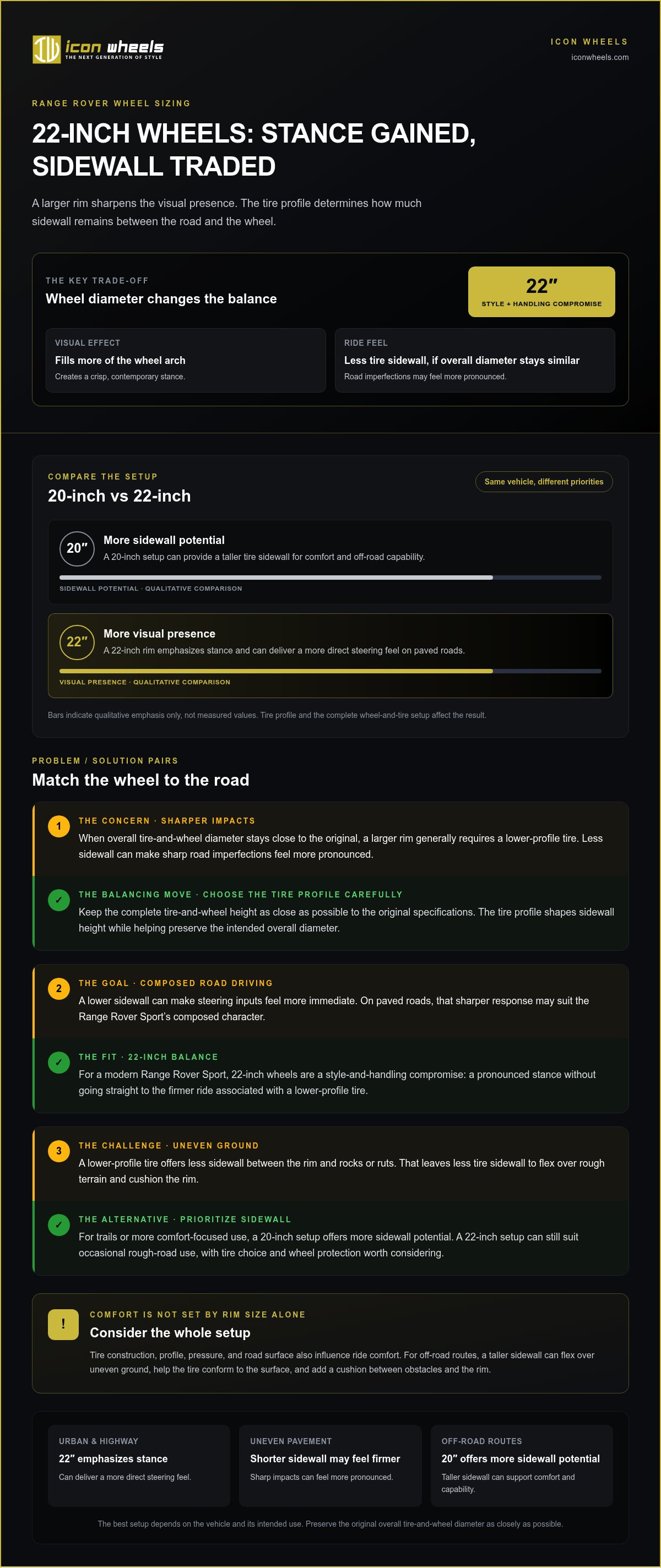
For off-road driving, wheel size matters because it affects the tire sidewall available within the complete wheel-and-tire setup. A 20-inch setup can provide a taller sidewall for comfort and off-road capability; a 22-inch setup typically leaves less sidewall when overall tire diameter stays similar.
Appearance is the immediate advantage. A 22-inch rim fills more of the Range Rover’s wheel arch and gives the SUV a crisp, contemporary stance. The effect is especially clear on a modern Range Rover Sport, where 22-inch wheels are considered a compromise between comfort and handling.
The balance comes from the relationship between rim diameter and tire profile. When the overall tire-and-wheel diameter stays close to the original, a larger rim generally requires a lower-profile tire. With less sidewall to flex over sharp edges, road imperfections may feel more pronounced in the cabin.
A lower sidewall can also make steering inputs feel more immediate. On paved roads, that sharper response may suit the Range Rover Sport’s composed character. However, the same setup can transmit more impact over broken pavement than a taller tire sidewall. Rim diameter is only one factor: tire construction, profile, pressure, and road surface also influence ride comfort.
For trails, the trade-off deserves attention. A taller sidewall can flex more over uneven ground, helping the tire conform to the surface and adding a cushion between obstacles and the rim. A 22-inch setup can still suit occasional rough-road use, but a lower-profile tire offers less sidewall between the rim and rocks or ruts. Wheel protection and tire choice therefore matter alongside appearance.
Use these practical comparisons when weighing a 22-inch setup:
- Urban and highway driving: A 22-inch wheel emphasizes the Range Rover’s stance and can deliver more direct steering feel.
- Uneven pavement: A shorter tire sidewall can make sharp impacts feel firmer than they do with a taller profile.
- Off-road routes: A 20-inch setup offers more sidewall potential for comfort and capability.
Keep the complete tire-and-wheel height as close as possible to the original specifications. For a 22-inch Range Rover setup, tire profile is the key variable: it shapes sidewall height while helping preserve the intended overall diameter. That is how drivers balance the refined visual impact of a larger rim with the comfort and terrain use their Range Rover actually needs.
Range Rover Sport wheel sizing
Range Rover Sport wheel sizing means matching rim diameter and tire dimensions to a specific Sport configuration. The right choice balances appearance with ride comfort and intended use.
For the Range Rover Sport, wheel options reach 23 inches, but availability depends on the vehicle’s powertrain. That makes the badge and model name only a starting point. The exact configuration matters before choosing a diameter, especially when comparing a factory-style replacement with a larger visual upgrade.
A 22-inch setup is a strong middle ground for modern Range Rover Sport models. It gives the SUV a prominent, tailored stance while remaining a comfort-and-handling compromise. A 23-inch setup pushes the visual effect further, but its lower-profile tire can create a firmer ride. For a more comfort-focused direction, 20-inch wheels allow a taller tire sidewall and support off-road capability.
Consider the complete wheel-and-tire assembly, not just the rim. Tire profile determines how much sidewall sits between the rim and the road. As rim diameter increases, a lower-profile tire may be needed to keep the assembly’s overall height near the original. This relationship helps preserve the Sport’s intended proportions and avoid an excessive overall diameter.
Use these steps to narrow the choice:
- Identify the configuration. Start with the Range Rover Sport’s model year, modification, and powertrain, since wheel availability can vary with powertrain.
- Set the priority. Choose 20 inches for more sidewall, 22 inches for a balanced modern look, or 23 inches for a bolder stance.
- Match the tire profile. For 22-inch wheels, choose a tire profile that keeps the complete diameter as close as possible to the original specification.
- Assess the finished fit. Confirm the combination suits the specific Sport rather than relying on another Range Rover’s fitment.
Overall height deserves particular care. Keeping the total tire-and-wheel height within 3% of the original setup helps preserve accurate speedometer readings and safety-system operation. The tire profile, not the rim diameter in isolation, determines that finished height. A sleek 22-inch rim with a suitable tire can therefore be a better-matched choice than a larger wheel paired with an unsuitable profile.
For a Range Rover Sport used mainly on paved roads, 22 inches offers a polished balance of presence and handling. Drivers who prioritize a taller sidewall or off-road capability may prefer 20 inches. Choose 23 inches when the stronger visual statement matters most, while accounting for the firmer ride associated with a lower-profile tire.
How do 20-inch, 22-inch, and 23-inch wheels compare in appearance on a Range Rover?
A wheel’s inch size describes the rim diameter, while the tire completes the overall wheel-and-tire assembly. On a Range Rover, 20-, 22-, and 23-inch options create distinct visual proportions, especially when viewed against the wheel arches and bodywork.
A 20-inch wheel is a rim with a 20-inch diameter, usually paired with a taller tire sidewall than larger options. On a full-size Range Rover, this combination gives the wheel arch a less filled, more understated appearance. The taller sidewall adds a stronger visual band of tire around the rim, which can suit drivers who prefer a capable, purposeful look over a showpiece stance. It also supports comfort and off-road capability, making the 20-inch setup a practical match for a Range Rover used on varied roads.
A 22-inch wheel is a rim with a 22-inch diameter, creating a more prominent and contemporary appearance. On a Range Rover Sport, the larger rim fills more of the arch and draws attention to the wheel design. Its proportions can look balanced: more assertive than 20 inches, without the maximum visual emphasis of 23 inches. Tire profile still shapes the finished look. A lower-profile tire exposes more of the rim, while a taller profile shows more sidewall.
A 23-inch wheel is a rim with a 23-inch diameter, chosen for a bold, statement-making presence. On the full-size Range Rover Autobiography, this option creates a particularly dramatic stance. The lower-profile tire associated with the setup can make the rim appear dominant and the tire sidewall less visible. That visual impact comes with a firmer ride, so the most imposing appearance may not be the best match for every driving priority.
Compare the sizes on your specific Range Rover rather than in isolation. The same diameter can look different on a Range Rover Sport and a full-size Range Rover because their proportions and wheel arches differ. Finish, spoke shape, and visible tire sidewall also affect the appearance. For example, a dark finish may look subtler than a bright finish at the same diameter.
Use this quick style guide:
- 20 inches: Choose a quieter, more utility-focused appearance with more tire sidewall.
- 22 inches: Choose a modern, balanced stance that suits the Range Rover Sport particularly well.
- 23 inches: Choose a dramatic statement look, especially for the full-size Range Rover Autobiography.
For the most cohesive result, compare the wheel diameter with the tire profile and the vehicle’s overall proportions. A 22-inch setup often gives a modern Range Rover a strong visual upgrade without making the rim the sole focus. A 23-inch choice makes a clearer statement, while 20 inches keeps the tire more prominent. The right appearance comes from the complete combination, not the rim number alone.
What wheel size is the best balance of style, comfort, and handling for a Range Rover?
The best balance is the wheel diameter that suits your Range Rover’s driving priorities while preserving compatible tire dimensions. For many modern Range Rover Sport setups, 22 inches offers a polished stance with a balance of comfort and handling. A full-size Range Rover can take a more dramatic 23-inch option, while 20 inches favors sidewall height and off-road use.
Think of the decision as a three-way balance: rim diameter affects visual presence, tire sidewall determines how much cushioning sits between the rim and road, and the complete setup shapes ride character. A larger wheel may look more imposing, but its tire profile still needs to suit the vehicle. The best choice is not simply the largest wheel that fits.
For a road-focused Range Rover Sport, 22 inches can deliver a modern, assertive look without going straight to the firmer ride associated with a lower-profile tire. Choose 20 inches if comfort on rough surfaces or off-road capability matters more than filling the wheel arch. Consider 23 inches when dramatic styling is the priority and a firmer ride is an acceptable trade-off.
The full-size Range Rover can also be fitted with a 24-inch setup, but careful tire selection is needed to avoid rubbing. That option pushes visual impact further, while making precise tire dimensions and fitment especially important. Don’t treat fitment as a diameter-only decision. Model, modification, and the relationship between rim and tire all shape the result.
Use this practical order when choosing:
- Set your priority. Decide whether appearance, comfort, or off-road use matters most for your Range Rover.
- Choose a diameter to match. Start with 20 inches for more sidewall, 22 inches for a balanced look, or 23 inches for a statement stance.
- Match the tire profile. Keep the overall tire-and-wheel diameter close to the original specifications. For accurate speedometer and safety-system operation, the total height should remain within 3% of the original setup.
- Account for vehicle weight. For a full-size Range Rover, the recommended wheel load rating is at least 850 to 900 kilograms per wheel.
Wheel design also shapes the finished look. A multi-spoke face, bold finish, or open design can make a rim appear larger, even at the same diameter. Compare the wheel with your Range Rover’s proportions, then consider how the style suits your usual roads and driving habits.
If you’re ready to translate these fitment priorities into a tailored look, explore Range Rover wheel and rim options.
ICON WHEELS: Wheels For Mercedes
ICON WHEELS is a natural next step when you’ve settled on a Range Rover’s style and need wheels suited to the vehicle. Its Range Rover wheels and rims connect your sizing decision to a model-focused wheel option, while custom built forged wheels offer a tailored direction for a distinctive finish.
Turn to ICON WHEELS when you’re ready to move beyond comparing 20-, 22-, and 23-inch diameters and consider wheel choices for your Land Rover. The range also includes Wheels For Mercedes and Wheels For Rolls Royce, serving drivers with different luxury vehicle requirements.
Explore the options or contact ICON WHEELS to discuss your Range Rover wheel direction.
Make Your Range Rover’s Next Detail Count
The answer to what wheel size looks best on a Range Rover becomes more personal when you consider the vehicle as a whole. Look beyond the wheel arches: choose a design that complements the paint and trim and reflects the character you want the SUV to project. A considered choice can make the vehicle feel distinctly yours, rather than simply larger or more conspicuous.
ICON WHEELS offers wheels for Land Rover, Mercedes, and Rolls-Royce. If you’re considering a consistent design direction across different luxury vehicles, explore the options for each. Start with the look you want, then choose a wheel that suits your vehicle and vision.
Contact ICON WHEELS to take the next step, and give your Range Rover a finish that feels unmistakably your own.
Frequently Asked Questions
What wheel sizes are available for each Range Rover model and model year?
Available diameters vary by model, year, modification, and sales region. The Evoque offers options up to 21 inches, the Velar up to 22 inches, and the full-size Range Rover and Range Rover Sport up to 23 inches. To narrow the choices for a specific vehicle, identify its model year and modification first. Then compare the available wheel diameter with the tire sizes for that configuration.
What wheel size looks best on a Range Rover according to owners and reviewers?
There isn’t one universal owner or reviewer preference, because appearance depends on the model and desired stance. For drivers asking what wheel size looks best on a Range Rover, 22 inches is a versatile style choice, while 23 inches creates a more dramatic look on a full-size Range Rover Autobiography. A 20-inch setup presents a more restrained profile. Consider the vehicle’s proportions and your preferred balance of rim and visible tire.
How do larger Range Rover wheels affect ride comfort, road noise, and fuel economy?
Larger rims paired with lower-profile tires can make sharp impacts feel firmer because less sidewall cushions them. Road noise depends on tire design, tread, and pavement, not rim diameter alone. Fuel consumption may also respond to wheel and tire weight, rolling resistance, and driving conditions. Compare complete wheel-and-tire setups rather than assuming diameter alone determines comfort, cabin noise, or fuel economy.
What are the factory-approved wheel and tire sizes for a Range Rover?
Factory-approved sizes depend on the Range Rover’s model year, modification, and sales region. Find the original tire size on the placard, usually on the driver’s-door jamb, or in the owner’s manual. Use it as the baseline when comparing alternatives. The correct specification is the one assigned to your exact configuration, not simply a size listed for another Range Rover with the same model name.
Will larger wheels and tires fit a Range Rover without rubbing or modifications?
A larger setup fits without rubbing only when its dimensions provide adequate clearance for the exact Range Rover configuration. Rim diameter is only one part of the calculation: tire width, profile, offset, and clearance through steering and suspension movement also matter. A 24-inch setup can be installed on a full-size Range Rover, but careful tire selection is needed to avoid rubbing. Keep overall tire-and-wheel height close to the original specification.
What wheel sizes are popular for customizing a Range Rover in the United States?
For a practical US customization shortlist, compare 20-, 22-, and 23-inch wheels. Each offers a distinct style and tire-sidewall balance, while 24-inch setups are another option for full-size Range Rovers with careful tire selection. These choices aren’t a ranking of owner popularity. Start with your vehicle’s exact configuration, then decide how prominent you want the rim to appear and how much tire sidewall suits your typical driving.
