
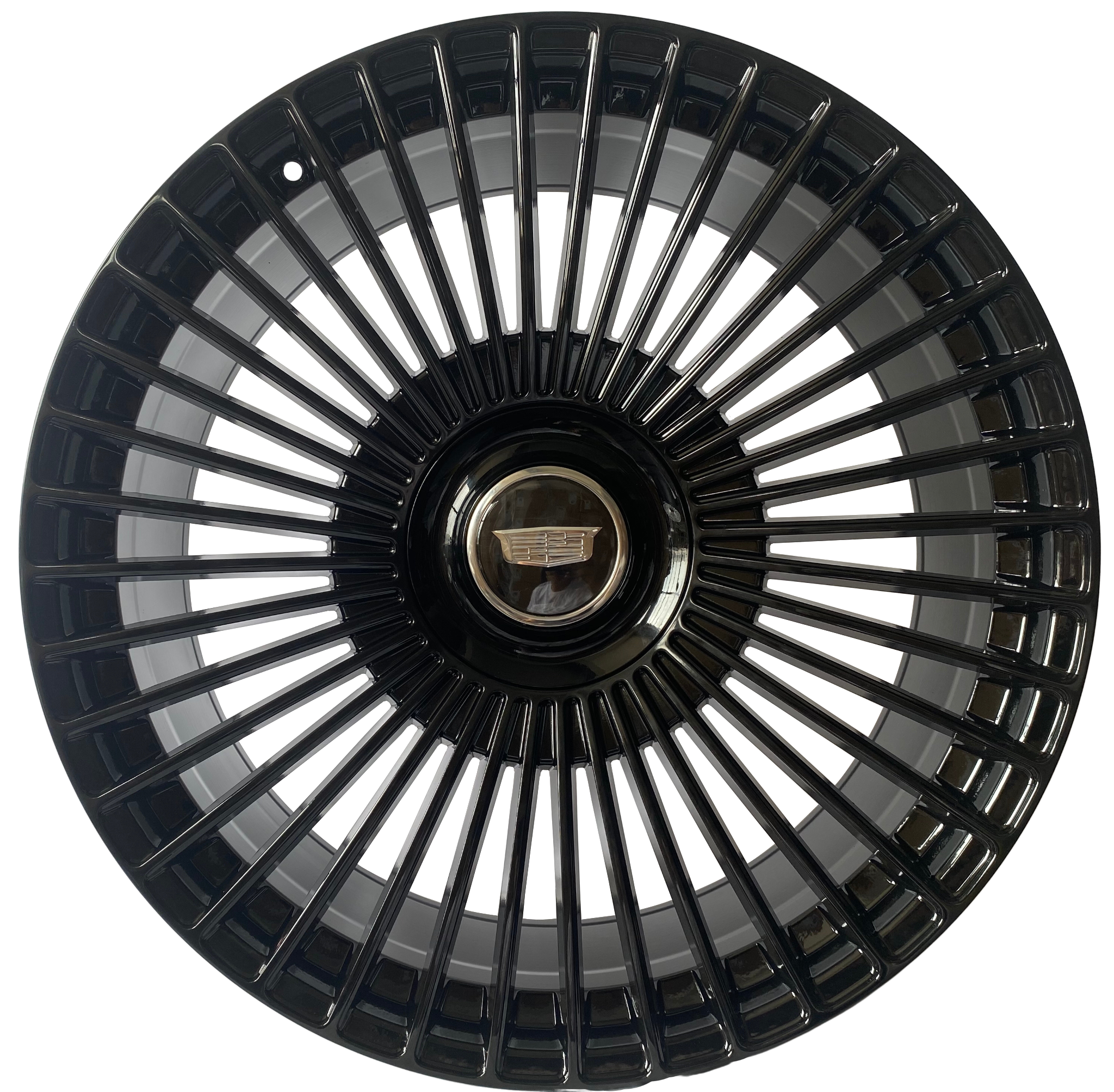
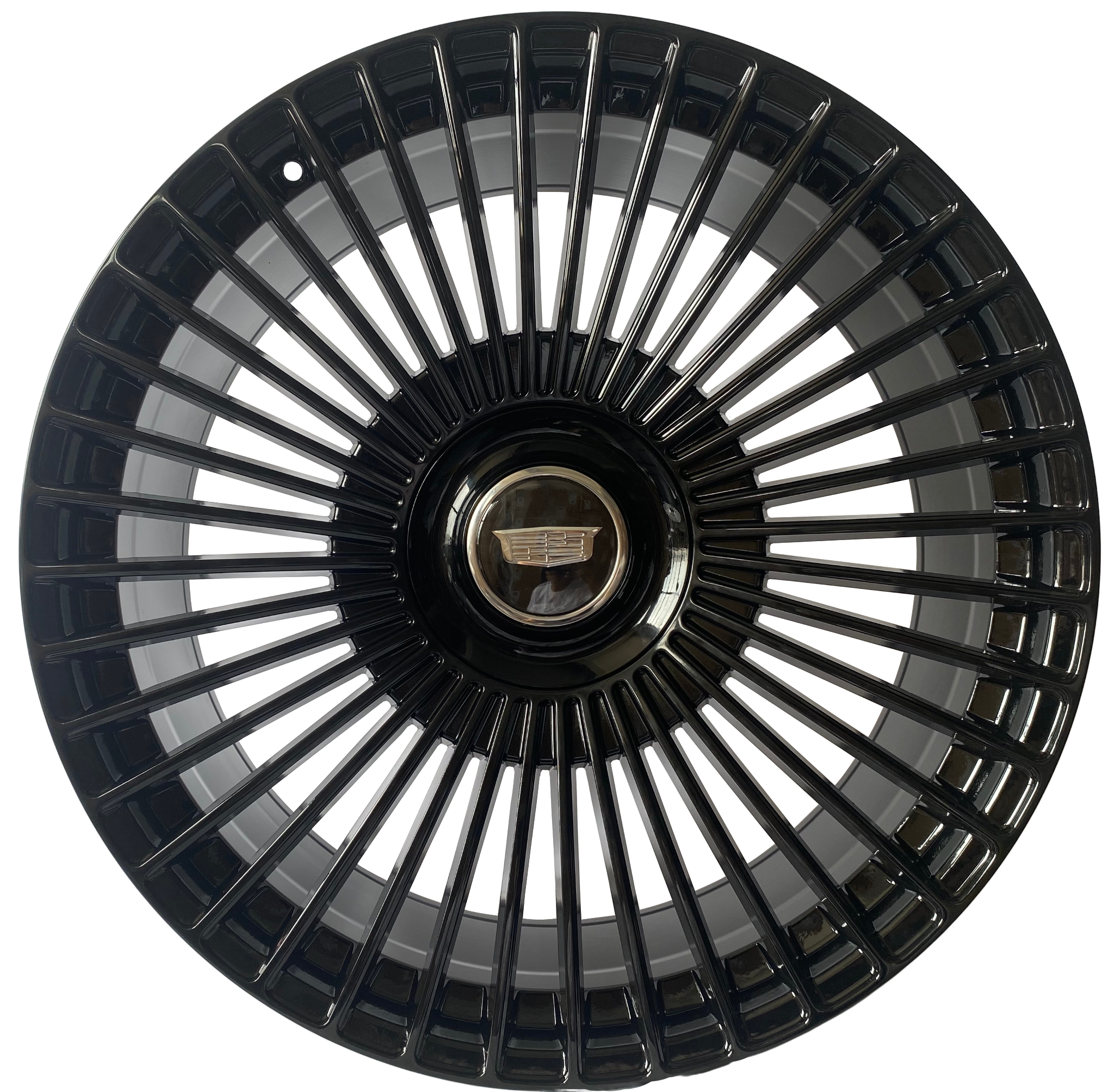


A striking finish can draw your eye to a wheel, but the right choice depends on more than appearance. The strongest PUR Wheels alternatives for luxury exotic sports cars and SUVs pair forged construction with precise vehicle fitment, appropriate load capacity, brake clearance, and a style that complements the vehicle. Forged wheels are shaped from solid alloy under pressure, then refined to meet specific design and fitment requirements.
It’s natural to focus on spoke design, concavity, and finish when choosing wheels for a high-end vehicle. Those details matter, but they must complement the wheel’s construction and fitment. A dramatic look works only when the wheel suits the vehicle and its intended use.
This guide explains how to compare forged wheel brands, understand fitment essentials such as bolt pattern, center bore, offset, and width, and balance styling with practical considerations. You’ll also see how construction and sizing shape the choice for a sports car, exotic model, or SUV, helping you pursue a distinctive look with greater confidence.
Key Takeaways
- Compare forged wheel brands by construction, finish options, vehicle-specific fitment, and suitability for your driving needs.
- Use bolt pattern, center bore, offset, and width together to assess fitment rather than choosing by diameter or appearance alone.
- Prioritize brake clearance and load rating, especially when selecting wheels for high-performance vehicles or heavier SUVs.
- Match spoke design, concavity, and wheel size to the vehicle’s proportions while considering the effect on ride comfort.
- Understand how one-piece and multi-piece construction differ before narrowing down your wheel options.
1. What Makes a Forged Wheel Brand Worth Buying?
A forged wheel brand earns consideration through more than a polished finish or recognizable name. Compare its construction, design range, and ability to produce wheels for your specific vehicle. Premium forged wheels commonly use 6061-T6 aluminum, while the forging process refines the metal’s internal grain structure and supports greater strength. For an enthusiast, those details matter alongside spoke design, finish options, and the intended use of the car. A brand should make its wheel specifications clear enough to compare meaningfully.
In the United States, premium aftermarket wheels are available through specialist retailers and brands’ custom-order programs. Start with the vehicle’s make, model, year, and existing wheel specifications, then narrow down the design and fitment. This helps distinguish a standard catalog option from a wheel configured for a specific vehicle, and gives you a practical basis for comparing PUR Wheels alternatives for luxury exotic sports cars and SUVs.
Choose by vehicle application before comparing appearance. A wheel intended for a lightweight sports car may not suit a heavier SUV, where load rating deserves close attention. A Porsche used for spirited road driving has different priorities from a Land Rover intended for rougher terrain. A performance car with large brakes also needs adequate caliper clearance. Start with the vehicle, its use, and its fitment requirements, then assess spoke design, width, finish, and overall proportion.
Customization separates many luxury wheel brands from basic aftermarket options. Look for a meaningful range of finishes, spoke patterns, and concave profiles, then consider whether the brand can tailor dimensions to the vehicle. A sleek Mercedes sedan may call for a restrained multi-spoke design, while a Lamborghini can carry a more dramatic spoke pattern. Custom styling should complement the body and brake package, not compromise clearance or suitability. Treat the wheel as part of the vehicle’s complete design, not an isolated accessory.
Business buyers should match a brand’s strengths to their customers. A shop serving track and tuner customers benefits from performance-led wheel options; one focused on trucks, four-wheel drives, and overlanding needs off-road-oriented choices. For American luxury sedans, vehicle-specific fitments and refined finishes may matter more. Compare construction against those needs: cast wheels are made by pouring molten aluminum into a mold, while fusion-forged designs combine a forged barrel with a cast face. This makes it easier to choose a brand suited to both the vehicle and its driver.
2. Bolt pattern, center bore, offset, and width
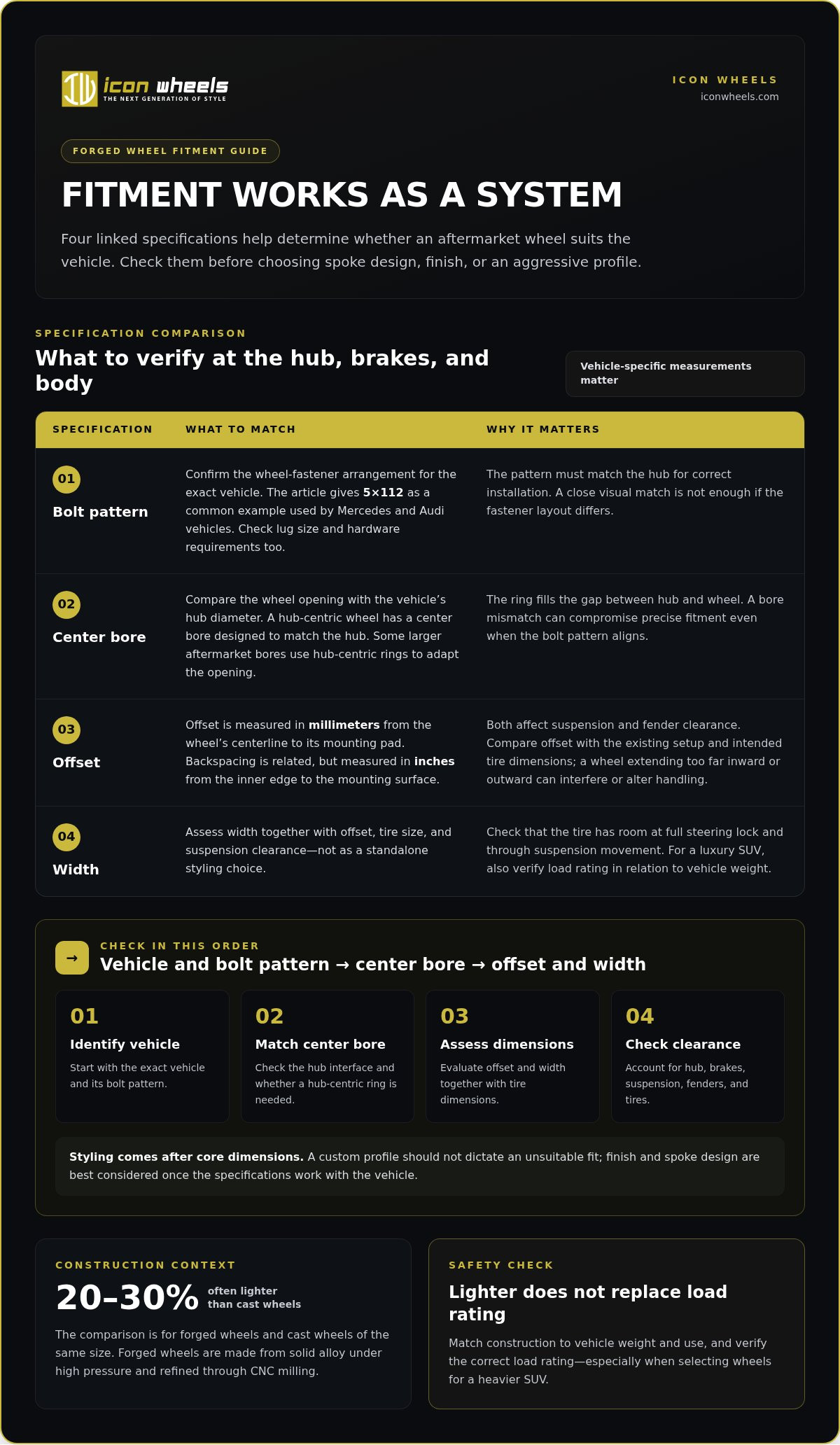
Start fitment with the vehicle’s bolt pattern, the arrangement of its wheel fasteners. It must match the hub before aftermarket wheels can be installed correctly. A common example is 5×112, a pattern used by Mercedes and Audi vehicles. Confirm the pattern for the exact vehicle, rather than relying on its make alone. Also compare lug size and hardware requirements. A close visual match is not enough if the fastener layout differs.
Compare the wheel’s center bore with the vehicle’s hub diameter. A hub-centric wheel has a center bore designed to match the hub, helping it sit centered during installation. Some aftermarket wheels have a larger center bore and use hub-centric rings to adapt the opening. The ring fills the gap between the hub and wheel. This interface matters on luxury vehicles and motorsport builds: a mismatch can compromise precise fitment even when the bolt pattern aligns.
Offset describes where the wheel sits relative to the vehicle. It is measured in millimeters from the wheel’s centerline to its mounting pad. Backspacing is related, but measured in inches from the wheel’s inner edge to its mounting surface. Both affect clearance at the suspension and fender. An aggressive stance can alter handling or cause interference if the wheel extends too far inward or outward. Compare the proposed offset with the existing setup and intended tire dimensions.
Width determines how much space the wheel occupies across the vehicle. It works together with offset, tire size, and suspension clearance, rather than serving as a standalone styling choice. A wider setup on a performance sedan may look purposeful, but the tire still needs room at full steering lock and through suspension movement. For a luxury SUV, also check load rating, since vehicle weight affects the demands on each wheel. Fitment depends on several linked measurements.
Use this sequence when comparing specifications: confirm the vehicle and bolt pattern, match the center bore, then assess offset and width together. Finish choices and spoke design come after those core dimensions. That order protects the look and function of a custom build without letting an aggressive profile dictate an unsuitable fit. For a tailored option, explore custom built forged wheels as one route to vehicle-specific dimensions. Make sure each specification works with the vehicle’s hub, brakes, suspension, and tire package.
3. Aftermarket wheel selection and safety
Safe aftermarket wheel selection starts with matching construction to the vehicle’s weight and use. Forged wheels are made from solid alloy material under high pressure, then refined through CNC milling. Common billet alloys include 6061-T6 and 6082-T6 aluminum. Compared with cast wheels of the same size, forged wheels are often 20-30% lighter. Lower unsprung weight can benefit handling, acceleration, braking response, and suspension performance, but it doesn’t replace the need for the correct load rating.
For a luxury SUV, assess load capacity before choosing an aggressive stance or finish. A forged wheel designed for a lightweight sports car may not suit a heavier vehicle. Confirm that the wheel’s rating meets the vehicle’s requirements, then consider the complete fitment: offset, brake clearance, construction, and size. Performance cars with large brake systems need enough clearance around the calipers. A wheel that looks right in a product image may still be unsuitable if its shape interferes with the brakes.
Construction affects both use and maintenance. A one-piece wheel combines the face and barrel in a single unit, while a two-piece wheel joins separate parts using bolts or welding. Three-piece forged wheels offer custom widths and offsets, but their bolted joints need periodic inspection. Monoblock designs often suit performance-focused applications; multi-piece builds can offer more flexibility in lip configuration and styling. Choose according to the vehicle’s demands, not appearance alone.
Wheel diameter changes the balance between stance and comfort. Moving to 22- or 24-inch wheels can sharpen a luxury vehicle’s appearance and cornering stability, but may reduce comfort on rough roads. For a smoother ride and added pothole protection, 19- or 20-inch wheels paired with thicker tire sidewalls can be a better fit. A one- or two-inch increase over stock is another suggested balance between appearance, handling, and ride quality. Tire sidewall and intended road use both shape the result.
Finish and custom sizing belong in the final safety review, not just the style brief. Check that the selected finish suits the vehicle’s use, and ensure the chosen dimensions preserve brake and suspension clearance. Once mounted, lug fasteners are typically torqued to 80-140 ft-lbs, depending on the vehicle. Use the specific vehicle requirement; that range isn’t a single setting for every automotive application. A careful sequence protects the wheel’s fitment, strength, and performance.
4. Aftermarket wheel styling for sports cars and exotic vehicles
Start with the vehicle’s design language, then choose wheels that reinforce it. A Porsche with sculpted bodywork can suit a focused, motorsport-inspired spoke design. A Mercedes luxury sedan may look best with a restrained pattern that complements its formal lines. View the wheel from the side and at an angle. Concavity, spoke thickness, and the visible space around the brakes all influence the vehicle’s appearance. Aim for a coherent look, not simply the most dramatic option.
Finish shapes a wheel’s character as much as spoke design. A dark finish can give a bright-bodied Lamborghini a sharper look, while a polished surface can highlight a Rolls-Royce’s refined details. Compare finishes with the paint, trim, and brake components. Consider the whole combination in daylight and shade. A surface that looks subtle indoors can become the strongest visual feature outside.
Forged wheels offer a broad canvas for custom styling, from distinctive spoke patterns to tailored profiles. Choose the construction and dimensions first, then refine the appearance. A clean monoblock design can emphasize a sports car’s purposeful stance. A multi-piece design can create a more intricate look through its face, lip, and hardware. Neither format suits every build. Let the vehicle’s proportions, intended use, and mechanical package guide your decision.
Compare wheel brands by design and vehicle application, not name alone. Review each option’s spoke layout, finish selection, and fitment details, applying the same criteria across your shortlist. Check how the spokes meet the rim, how the design frames the brakes, and whether it complements the body shape. A strong shortlist includes alternatives with distinct visual directions, not near-identical styles with different branding.
Keep the vehicle category in view. A design that suits a low sports car may feel out of scale on a large SUV, while a truck-oriented appearance can overwhelm an elegant sedan. Luxury sedans often benefit from proportionate designs that preserve a balanced profile. Exotic vehicles can carry more assertive styling when it works with their lines and mechanical package. Before choosing a custom look, compare the wheel with the side profile, brake area, and finish details. This connects personal taste to a deliberate, complete design.
5. What are the price ranges for forged luxury aftermarket wheels in the United States?
Forged luxury aftermarket wheels occupy a premium pricing tier, and the total depends on the wheel, vehicle, and order configuration. A set of fully forged wheels is not directly comparable with cast or flow-formed options. Construction method, wheel size, custom dimensions, finish, and design complexity all affect the quote. For example, a custom specification for a Porsche sports car can differ substantially from a standard catalog configuration for a Mercedes sedan.
Clarify the pricing unit before comparing options. A quote may cover an individual wheel or a complete set, and those figures are not interchangeable. Check what the package includes, such as center caps or hardware, and whether the selected finish or custom sizing changes the total. Keep the vehicle’s required bolt pattern and fitment in view: a low headline figure has little value if the wheels don’t suit the intended application.
Construction is a central cost driver. A one-piece forged wheel is machined from a single billet, while a two-piece design joins a separate face and barrel. Three-piece construction can allow more flexibility in width and offset, with bolted joints that need periodic inspection. Each format has different manufacturing and assembly requirements. Compare the actual build instead of assuming that every wheel described as “forged” has the same specification.
Customization adds further variables. A distinctive finish, complex spoke pattern, or vehicle-specific dimensions can require additional design and manufacturing work. A standard finish and catalog size may follow a different pricing path from a custom configuration for a Lamborghini or Rolls-Royce. Larger diameters and specialized fitment can also affect the quote. Define the vehicle, desired construction, finish, and sizing before comparing proposals.
Use a consistent checklist to assess value across U.S. options. Record whether each quote covers one wheel or a set, as well as the construction type, alloy, finish, dimensions, and vehicle application. Compare load rating and fitment alongside appearance. For an SUV, suitability for the vehicle’s weight is essential; for an exotic sports car, brake clearance and intended use remain central. A premium price should reflect a clear specification, not just a striking product image or brand name.
ICON WHEELS: Wheels For Mercedes
ICON WHEELS offers forged wheels for Mercedes, Rolls-Royce, and Land Rover, along with custom-built forged wheels. These options suit owners seeking vehicle-specific styling and a custom forged direction. The range also includes wheels for Porsche, Bentley, Cadillac, and Lamborghini.
Use the fitment and styling criteria in this guide to define your goals: the vehicle, desired appearance, and key wheel specifications. That gives you a focused starting point for considering the right offering, whether you drive a Mercedes sedan or another luxury model. Explore ICON WHEELS’ forged wheel options, or contact ICON WHEELS to discuss your direction.
Visit iconwheels.com to explore the available wheel options.
Shape a Wheel Choice That Feels Like Yours
The right wheel should feel integral to the vehicle, not like a detail added afterward. Before deciding, define the character you want the car to project: composed and refined, or bold and unmistakable. That design brief gives your comparison a clear purpose and keeps personal style connected to the vehicle’s identity.
If you’re weighing alternatives to PUR Wheels for luxury exotic sports cars and SUVs, turn your preferences into a focused fitment discussion. Bring your vehicle details, the look you’re aiming for, and the specifications you’ve considered. ICON WHEELS offers forged options for Mercedes, Rolls-Royce, and Land Rover, giving owners a direct way to explore a tailored direction.
Share your wheel fitment goals with ICON WHEELS and take the next step toward a more distinctive build.
Frequently Asked Questions
What Makes a Forged Wheel Brand Worth Buying?
A forged wheel brand is worth considering when it provides clear, vehicle-specific specifications and construction suited to your intended use. Compare engineering details, application coverage, design options, and the availability of matching replacement parts. For a custom build, keep the wheel specification with your vehicle records. It will be a useful reference if you replace a wheel, change the finish, or compare another design for the same vehicle.
Which alternative wheel brands offer custom forged designs and finishes?
ICON WHEELS offers custom forged wheel designs for luxury vehicle makes including Mercedes, Rolls-Royce, Land Rover, Porsche, Bentley, and Lamborghini. Its custom-built forged wheels suit buyers looking for a tailored direction rather than a generic appearance. Compare each brand’s published construction and application details, then consider finishes alongside your vehicle’s paint, trim, and brake color.
What wheel brands make fitments for Lamborghini, Ferrari, McLaren, Porsche, and Bentley?
Fitment depends on the exact vehicle and model, not just its marque. ICON WHEELS offers wheels for Lamborghini, Porsche, and Bentley. For a Ferrari or McLaren, compare the wheel’s stated application with the specific model and configuration before choosing. A brand’s focus on exotic cars doesn’t mean every design fits every vehicle, so use model-level specifications to narrow your options.
What premium aftermarket wheels are available for Rolls-Royce, Range Rover, Mercedes-Benz, and BMW SUVs?
ICON WHEELS offers forged wheels for Rolls-Royce, Land Rover, and Mercedes, including model-specific options for the Range Rover and Mercedes S Class. For a BMW SUV, use an application listing that identifies the exact model and configuration. Across all four marques, compare the intended vehicle, wheel design, and stated specifications together. A luxury label alone doesn’t show that a particular wheel suits a specific SUV.
How do wheel weight, strength, and construction compare across luxury forged wheel brands?
Compare like with like: wheel diameter, width, construction, and load rating all affect a meaningful assessment. Forged designs commonly use 6061-T6 aluminum, while one-piece and multi-piece formats have different construction details. Ask how the stated weight applies to the exact wheel size and design, rather than comparing a small wheel with a larger one. For an SUV, weigh construction claims against the vehicle’s load requirements.
How can I verify wheel fitment, offset, bolt pattern, and load rating for an exotic car or SUV?
Build a fitment record using the vehicle’s exact year, model, trim, brake setup, and current wheel specifications. Compare it with the proposed wheel’s application data, including bolt pattern, center bore, offset, width, and load rating. A different brake package, for example, can change clearance requirements within the same model line. Keep the specifications together before finalizing a selection or custom build.
What are the risks of using aftermarket wheels on luxury and exotic vehicles, including warranty and insurance concerns?
The main practical risks are poor fitment, inadequate load capacity, brake interference, and damage from unsuitable use. Warranty and insurance questions depend on the written terms that apply to your vehicle and coverage. Keep the wheel specifications, purchase records, and installation documentation together. Review relevant policy language before modifying the vehicle, and retain the original wheel details so you can accurately describe the change if needed.
