
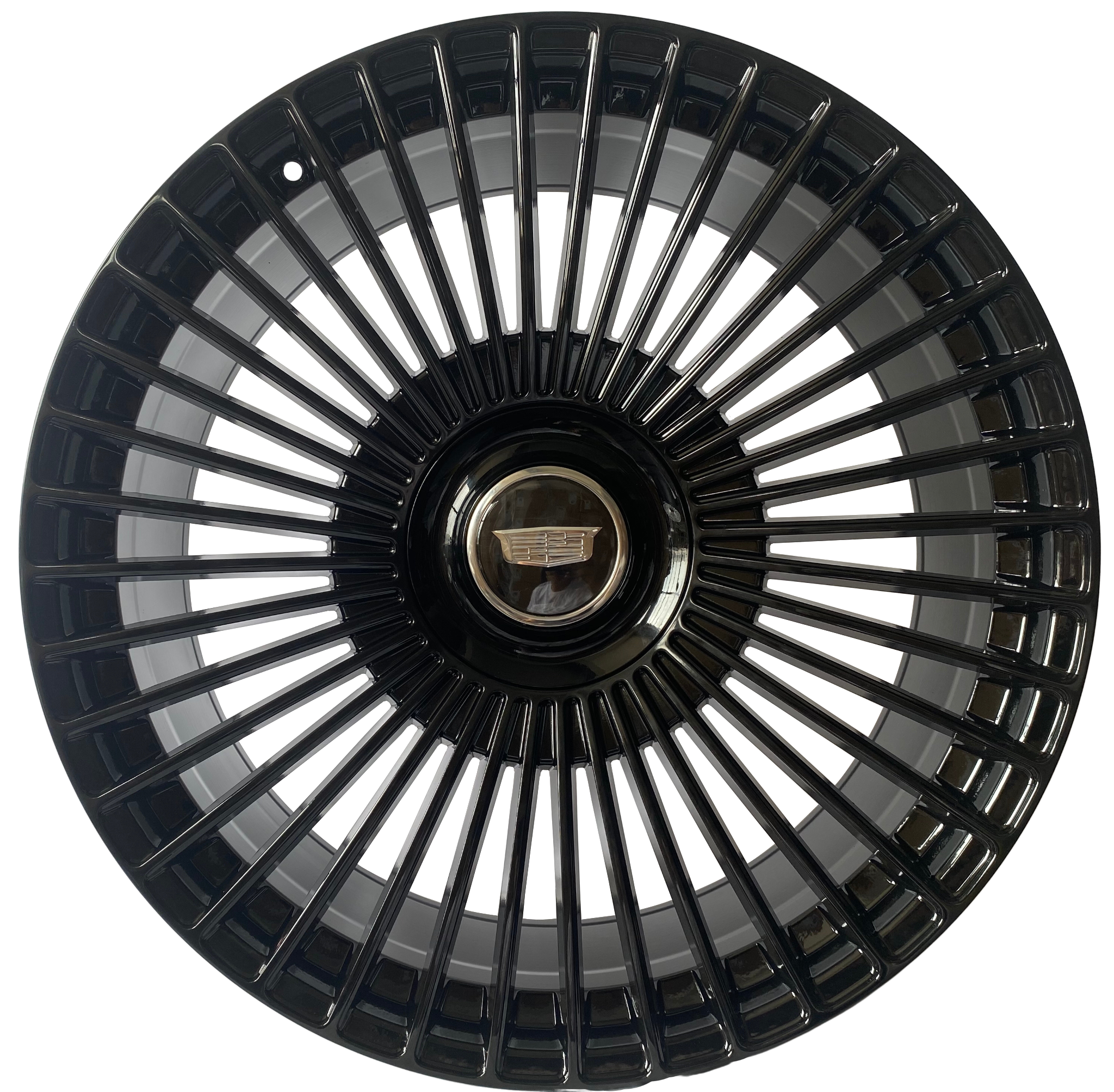
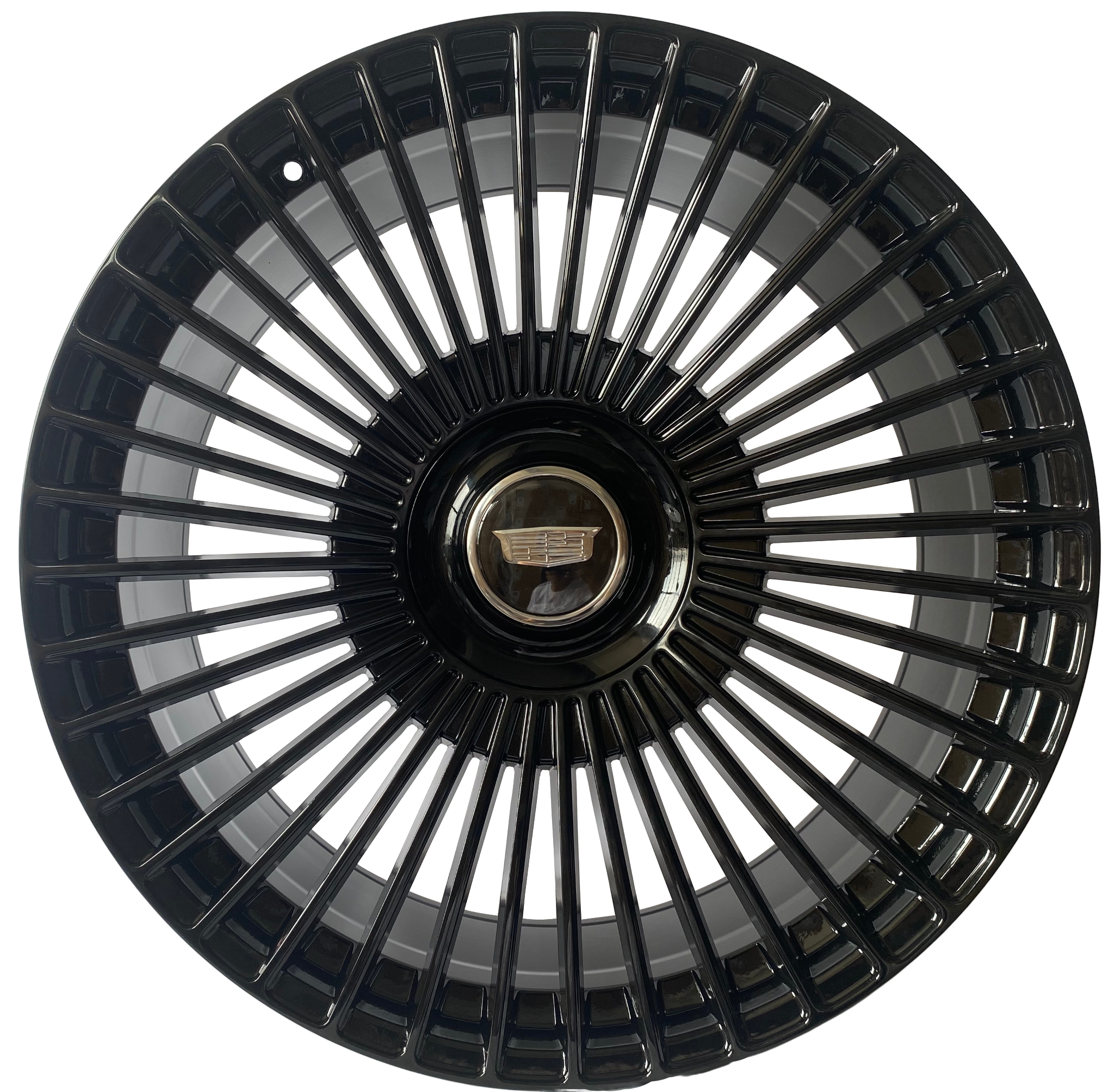


A familiar brand name doesn’t automatically make the total cost easier to predict. A fair comparison of HRE forged wheels pricing versus the total cost of custom bespoke forged wheels depends on whether you’re choosing an existing design or commissioning wheels around your vehicle and design requirements. Material, machining, finish, size, and fitment all shape the difference.
It’s easy to focus on the headline price. But the final build reflects more than the name on the center cap: the manufacturing method and degree of customization matter, too.
This guide explains how forged-wheel materials and production affect cost, what changes when you move from an existing design to a made-to-order build, and which choices influence the total. You’ll have a clearer way to compare options and decide which approach suits your vehicle, priorities, and vision.
Key Takeaways
- Learn how forging materials and manufacturing methods influence wheel quality, and why the production process matters when comparing options.
- See how pre-made and made-to-order wheels differ, so you can decide whether a ready design or a tailored build better fits your priorities.
- Identify the design choices that can shape a bespoke wheel’s total cost, from size and construction to engineering and customization.
- Compare quotes by reviewing finish, fitment, center caps, and other included items rather than relying on the headline price alone.
- Understand how precise offset and bolt-pattern fitment help reduce the risk of rubbing or suspension contact.
Forging material and manufacturing quality
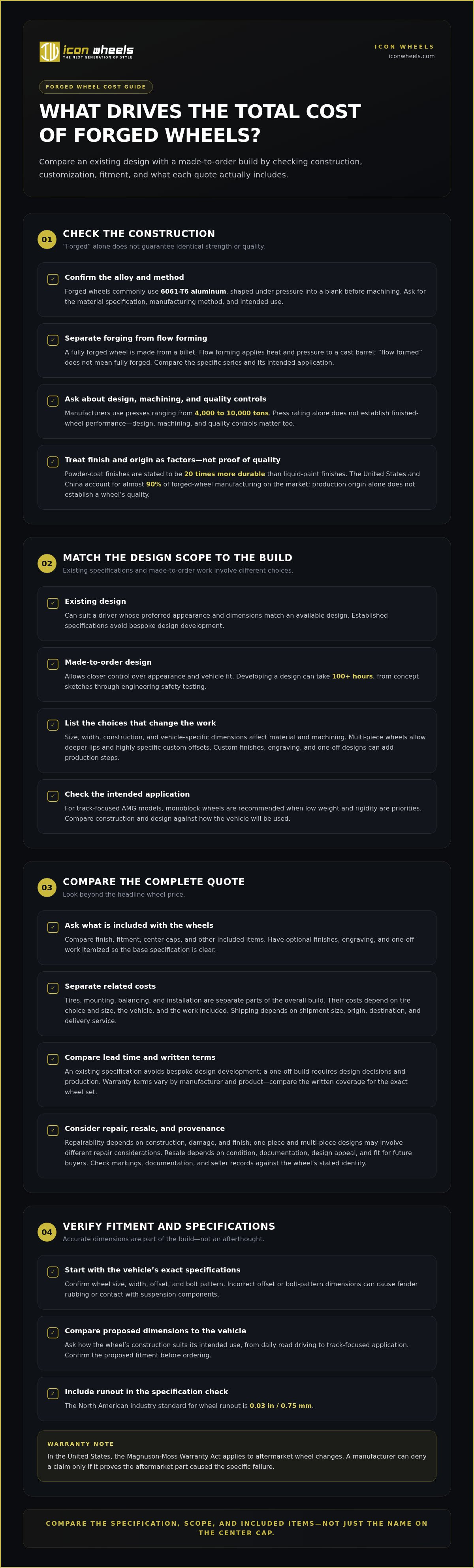
Begin with the alloy and production method, not the wheel’s visual finish. Forged wheels commonly use 6061-T6 aluminum, a material shaped under pressure into a wheel blank before machining. The process and final design affect structural characteristics, so the word “forged” alone doesn’t establish identical strength or quality. Compare the material specification, manufacturing method, and intended vehicle use before judging a price point.
Press capacity is one part of that process. Forged-wheel manufacturers use presses ranging from 4,000 tons to 10,000 tons, producing forged aluminum with different strength characteristics. A higher press rating alone doesn’t establish the finished wheel’s performance. The design, machining, and quality controls matter too. Ask how the wheel’s construction suits its intended use, whether that means daily road driving or a track-focused AMG application.
Distinguish forging from flow forming. Hybrid Forged wheels use flow-forming technology, which applies heat and pressure to a cast barrel. This differs from forging a wheel from a billet. “Flow formed” and “flowform” are related terms, but neither means fully forged construction. Identify the method used for the specific series you’re comparing, then assess its structure and intended application.
Finish is another quality factor, not merely a styling choice. Powder-coat finishes are stated to be 20 times more durable than liquid-paint finishes. A finish can affect how well the wheel withstands everyday exposure, while the chosen color and surface treatment influence appearance. Manufacturing location can also shape production economics: the United States and China account for almost 90% of forged-wheel manufacturing on the market. Production origin alone, however, does not establish the quality of a particular wheel.
Fitment accuracy deserves equal attention. Incorrect offset or bolt-pattern dimensions can cause fender rubbing or contact with suspension components. Use the vehicle’s exact specifications as the first step, then compare the proposed wheel dimensions against them. Wheel runout also matters: the North American industry standard is 0.03”/0.75mm. A wheel that misses fitment requirements can undermine a polished finish and otherwise sound construction.
- For track-focused AMG models, monoblock wheels are recommended when low weight and rigidity are priorities.
- Compare the manufacturing method, structural design, finish, and fitment together, rather than relying on a proprietary label or warranty language alone.
In the United States, the Magnuson-Moss Warranty Act applies to aftermarket wheel changes. A manufacturer can deny a claim only if it proves the aftermarket part caused the specific failure. Accurate fitment and clear product specifications are therefore practical considerations, not details to leave until after choosing wheels.
Pre-made versus made-to-order forged wheels
An existing design prioritizes established specifications, while a made-to-order build allows closer control over appearance and vehicle fit. Compare the complete purchase and ownership picture, not just the wheel design.
Bespoke Pricing Drivers
In the United States, bespoke wheel pricing reflects the engineering and machining required for the requested design. Developing a wheel design can take 100+ hours, from initial concept sketches through engineering safety testing. Size, width, construction, and vehicle-specific dimensions shape the amount of material and machining involved. Multi-piece wheels allow deeper lips and highly specific custom offsets, adding design choices that should be evaluated against your vehicle and intended use.
An existing option may suit drivers whose preferred dimensions and appearance match an available design. A made-to-order build is better suited to a distinctive concept or particular fitment requirements. In either case, compare the design scope and specifications in each quote, including vehicle-specific changes. This makes the price easier to assess without treating every forged wheel as the same product.
Finishes, Installation, and Related Costs
Custom finishes, engraving, and one-off designs can add production steps. Their effect on the total depends on the selected finish, engraving detail, and engineering and machining required. Ask for each element to be clearly itemized in the quote. This separates the wheel’s base specification from optional aesthetic work.
Tires, mounting, balancing, and installation are separate parts of the overall build. Their costs depend on tire choice and size, the vehicle, and the work included. Lead times also differ: an existing specification avoids bespoke design development, while a one-off build requires design decisions and production. Shipping costs depend on shipment size, origin, destination, and delivery service.
Ownership and Ordering Considerations
Warranty terms vary by manufacturer and product, so compare the written coverage for the exact wheel set rather than assuming HRE and bespoke options have matching terms. Repairability depends on construction, damage, and finish; multi-piece and one-piece designs may involve different repair considerations. Resale value depends on condition, documentation, design appeal, and whether the specifications suit future buyers.
Wheel size, width, and offset influence material use, machining, and the final fitment specification. Confirm that those dimensions match the vehicle before ordering. Counterfeit-product risk makes provenance important: examine product markings, documentation, and seller records, and compare them with the wheel’s stated identity. For a tailored direction, explore custom built forged wheel options suited to your vehicle.
How much do custom bespoke forged wheels typically cost in the United States?
There isn’t one useful cost for every bespoke forged wheel set in the United States. The final figure depends on design development, dimensions, construction, finish, and vehicle-specific requirements. A straightforward wheel concept for a Mercedes S-Class has a different scope from a one-off design with intricate machining. To compare proposals meaningfully, start with the same vehicle, intended use, and design brief.
Assessing hre forged wheels pricing vs custom bespoke forged wheels total cost means comparing equivalent specifications, not just brand names. A pre-designed wheel and a custom-developed set from ICON WHEELS may differ in engineering, machining, and finish work. Developing a wheel design can take 100+ hours, from initial concept sketches through engineering safety testing. That design effort helps explain why two forged sets can have very different scopes, even when both suit the same vehicle.
Define the specification before reviewing a quote. Record the vehicle, wheel diameter, width, offset, bolt pattern, construction, and finish. Then identify which elements are fixed and which are custom. For example, changing only the finish creates a more focused comparison than changing the design, dimensions, and construction together. A clear brief shows what drives the cost instead of bundling all design choices together.
Construction and fitment also shape the work. Multi-piece wheels allow deeper lips and highly specific custom offsets, giving designers more control over the final stance. Those choices must still suit the vehicle’s clearances and intended use. A Range Rover specification won’t automatically transfer to a Porsche. Matching wheel dimensions to the vehicle helps prevent costly specification errors and keeps proposals grounded in the actual build.
Separate the wheel build from related items. Tires, mounting, balancing, installation, and shipping may be outside a wheel-only quote. List each item separately, then compare the same scope across proposals. A total that includes additional services cannot be compared directly with a wheel-only figure. This distinction helps clarify the project’s overall cost without confusing the forged wheels’ price with the complete setup.
A thorough HRE forged wheels pricing vs custom bespoke forged wheels total cost review should also account for finishes, engraving, and one-off details. Ask how each requested feature changes the design or manufacturing scope. Then compare the written specifications, warranty terms, and included components. The most useful comparison reflects the wheels you intend to order for your vehicle, not a generic market benchmark.
Treat this initial design and engineering effort as a labor input rather than a complete wheel price, and ask whether the proposal specifies the work and hours included. Chinese-made forged wheels are typically priced at 40%-70% of the price of their US-made counterparts, so compare equivalent specifications and scope.
For aftermarket wheel changes in the United States, the Magnuson-Moss Warranty Act applies. A manufacturer can deny a claim only if it proves the aftermarket part caused the specific failure. Keep the wheel specification and installation details with the quote so warranty questions can be considered alongside the cost. A lower purchase price alone does not establish how a claim will be handled.
What is included in HRE forged wheel pricing, such as finish, fitment, and center caps?
HRE forged wheel pricing should be compared by its written specification, not the brand name alone. Market samples place HRE forged wheel prices between $2,700 and $3,500, with a median about $3,100. The quoted figure only becomes useful when you know whether it covers the wheels alone or additional components and services.
Start with the finish. A quote should identify the selected finish and whether it’s included in the stated wheel price or priced as an option. Color, surface treatment, and custom requests can change the production scope. For example, compare two quotes for the same wheel dimensions, then check whether both specify the same finish. Matching finish descriptions make the comparison clearer.
Fitment is equally specific. Review the vehicle application, wheel diameter, width, offset, and bolt pattern in the quote. A Mercedes S-Class and a Porsche may need different specifications, even when the designs look similar. The listed dimensions should correspond to the intended vehicle. Incorrect offset or bolt pattern can lead to fender rubbing or suspension contact, so treat fitment as a core specification, not an optional detail.
Compare center caps separately. Record whether the quoted package includes them, which design or branding is specified, and whether requested customization changes the scope. Don’t assume a pictured cap is included simply because it appears in a product image. The same applies to lugs, hardware, and other accessories: compare only items explicitly listed in each written package.
Separate the wheel quote from the rest of the vehicle upgrade. Tires, mounting, balancing, installation, and shipping may be priced independently. A quote covering forged wheels alone cannot be compared directly with a package that also includes tires and installation. List each component and service separately, then compare like for like. This also shows which costs relate to the wheels and which belong to completing the setup.
Use a simple review sequence before choosing:
- Match the vehicle, wheel dimensions, and fitment details.
- Compare the finish and center-cap specification.
- Identify whether accessories, tires, and installation are included.
- Separate shipping and other charges from the wheel price.
This breakdown turns an HRE price range into a practical reference, not a complete ownership estimate. A carefully itemized quote shows what the price includes and where custom choices may alter the final configuration.
Finish terminology also matters when a quote is reviewed. The stated figure is that 99% of Chinese wheel manufacturers use liquid paint to finish wheels. That figure is a broad category, not a description of the particular finish on a quoted set. Ask the seller to identify the chosen finish in writing and make sure the same wording appears in the specification being compared.
If a quote uses a general label, ask for clarification before treating it as equivalent to another finish description. Keep each finish choice linked to the wheel dimensions and vehicle fitment in the same record. That way, an adjustment to one part of the specification won’t obscure what was priced, making custom requests easier to compare with package details.
What factors drive the cost of bespoke forged wheels, including design, size, and customization?
A bespoke wheel’s cost follows its specification, not simply its forged construction. Design development, dimensions, manufacturing complexity, and finish choices shape the work involved. Start by defining the vehicle, intended use, and visual direction before comparing proposals. Giving each design the same brief makes differences in scope easier to identify.
Design effort can be substantial. A restrained spoke pattern and a distinctive sculpted design require different levels of development. Changes to the concept may affect engineering and machining work. Review the design stages included in each proposal, then distinguish concept development from production of the finished wheels.
Size and construction shape the manufacturing specification. Diameter and width influence the wheel’s proportions and the material that must be machined. Vehicle requirements also constrain the final design, so appearance alone isn’t enough to assess a wheel. Compare the proposed dimensions and intended application as one package. A large diameter, for example, may call for a different design balance than a compact wheel using the same visual concept.
Construction adds another design decision. Multi-piece wheels allow deeper lips and highly specific custom offsets. This flexibility can support a precise visual and fitment target, while creating a more detailed specification than a simpler one-piece design. Decide whether a deeper lip or tailored offset serves a clear purpose for your vehicle. Avoid paying for complexity that doesn’t advance the look or meet your requirements.
Customization also changes the production brief. Engraving, a distinctive finish, or a one-off spoke treatment can add design and machining steps. Ask for each feature to be described separately, including how it affects the final specification. For example, compare a standard finish with a custom color while keeping the wheel design and dimensions unchanged. This isolates the effect of the finish from other changes.
Treat this as a low-end market example, not a universal benchmark for bespoke work. A simple specification and a one-off design requiring extensive development are not equivalent purchases. Compare the engineering scope, size, construction, finish, and fitment requirements before interpreting a quote.
Build your brief in clear steps: name the vehicle, define the intended use, select dimensions, choose construction, then specify design and finish. This sequence helps keep revisions purposeful and proposals comparable. For a tailored direction, explore bespoke wheel design options around your vehicle and priorities.
ICON WHEELS: Wheels For Mercedes
ICON WHEELS offers Wheels For Mercedes for drivers comparing forged-wheel options around their vehicle and design priorities. Turn to this offering when a standard specification doesn’t capture the look or fitment you want. Custom Built Forged Wheels provide a made-to-order route for a more individually tailored direction.
For a Mercedes build, define the vehicle model, desired appearance, and fitment requirements first. These details help shape a clear wheel specification and make comparisons more meaningful. ICON WHEELS also offers Wheels For Rolls Royce and Wheels For Land Rover, with forged-wheel options for these luxury marques.
Use the material, manufacturing, finish, and fitment criteria in this guide to clarify what matters most for your vehicle. Visit iconwheels.com to explore ICON WHEELS’ options and get in touch to discuss your wheel direction.
Shape Your Wheel Build Around What Matters Most
Turn your preferred look and driving priorities into a clear direction. Decide what should define the finished build: a distinctive visual identity, a specific vehicle match, or a balance of both. That focus makes your comparison of HRE forged wheel pricing versus the total cost of custom bespoke forged wheels more useful, because it centers the decision on the result you want.
ICON WHEELS offers Wheels For Mercedes, Wheels For Rolls Royce, and Wheels For Land Rover. Whether you’re shaping a refined Mercedes upgrade or pursuing a more individual design, start with the vehicle and the character you want the wheels to express. The right brief gives your project purpose from the outset.
Contact ICON WHEELS about your wheel build and take the next step toward a specification that reflects your vision.
