
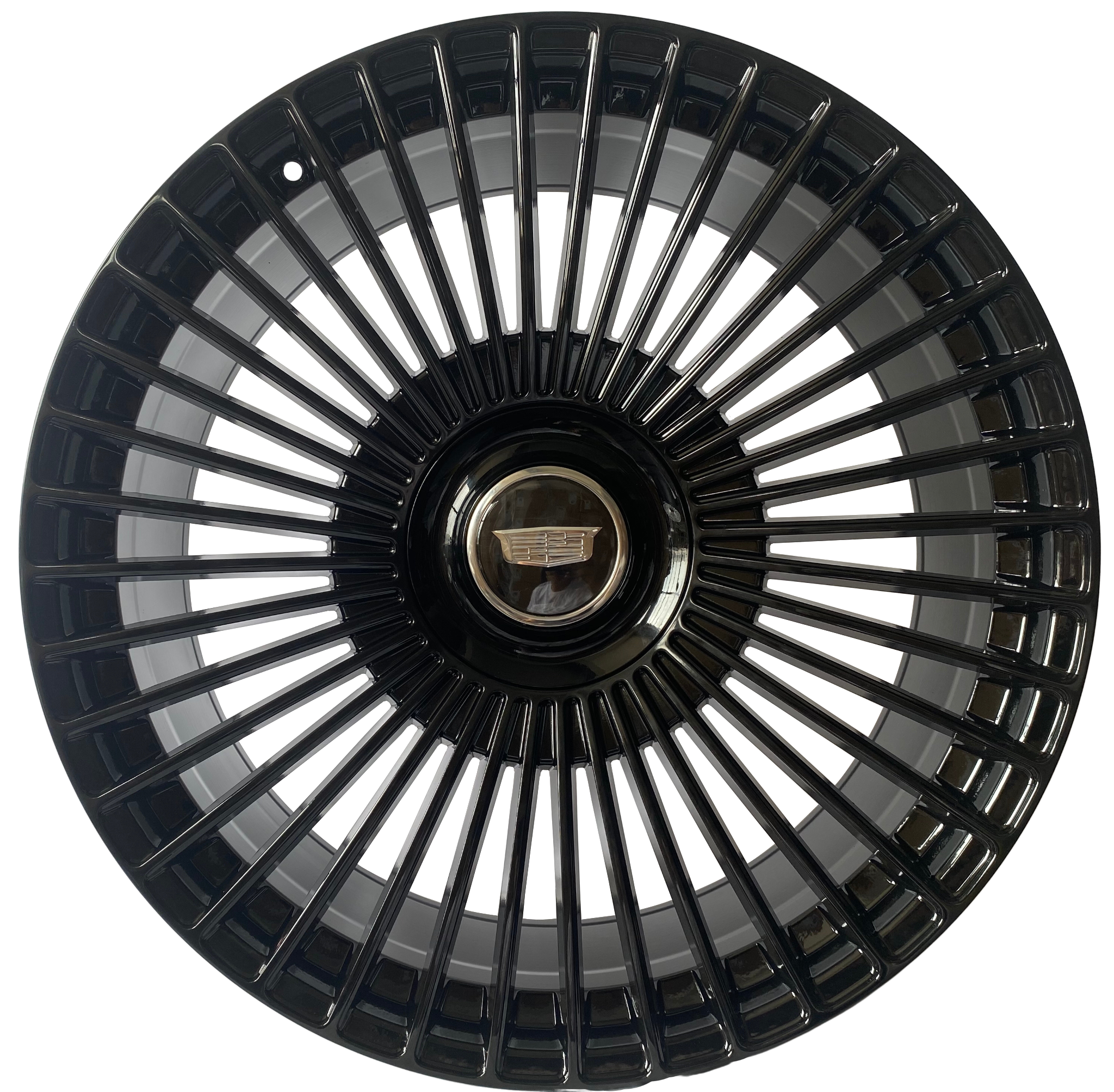
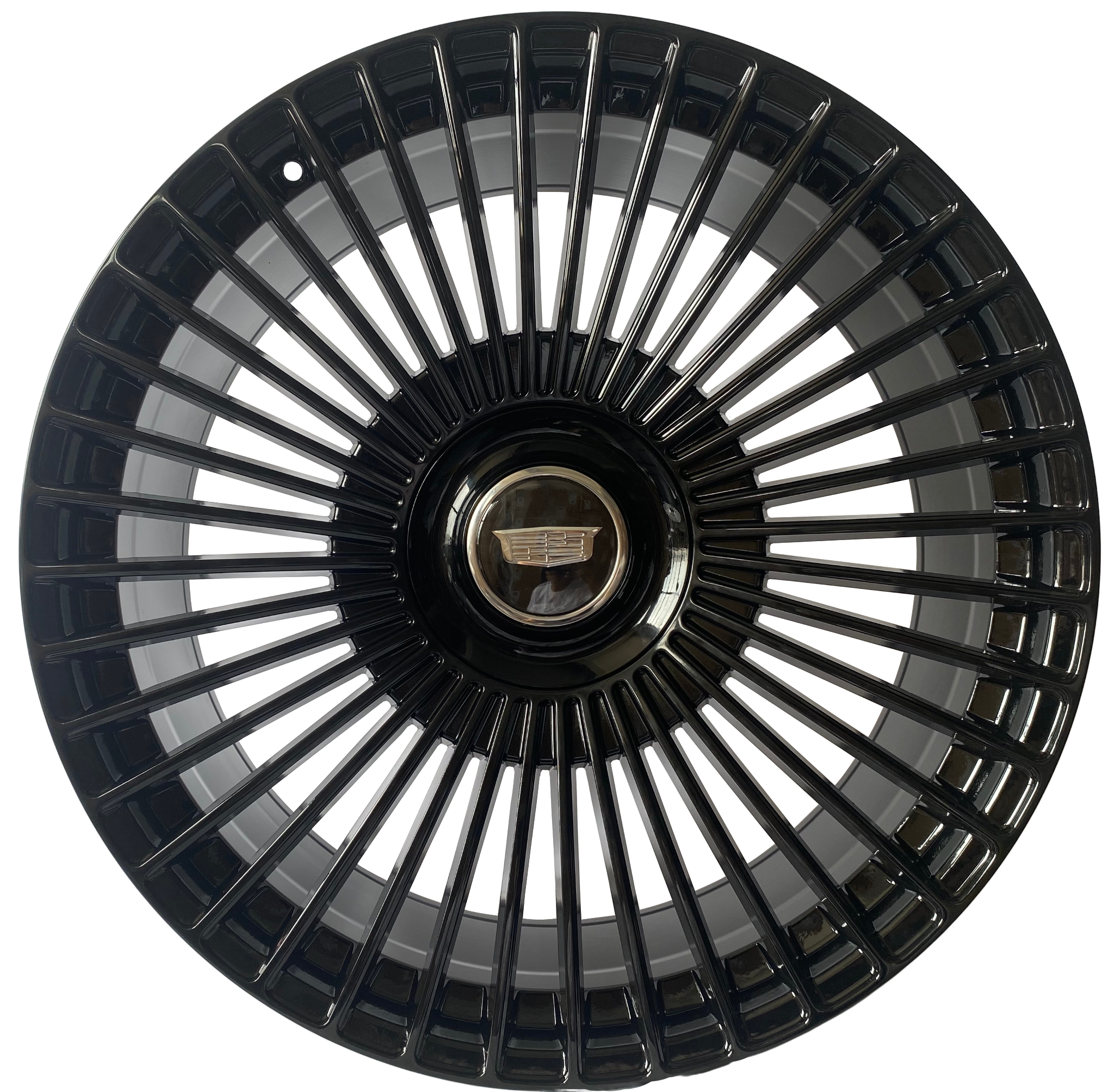


A larger or more exposed-looking wheel isn’t automatically a better match for a luxury car. For avoiding gaudy rims on high-end cars, choose a restrained finish and spoke design, then assess wheel diameter, width, offset, and brake-caliper clearance together. Less tire sidewall between the rim and a curb can also make impacts feel more concerning.
That concern is understandable: polished, matte-black, painted, and chrome finishes can make marks stand out, while a wheel that looks right may still be the wrong fit. Aim for a composed appearance that respects the car’s proportions without compromising clearance.
This guide shows how to protect delicate finishes and assess fitment for your exact vehicle, including caliper clearance. You’ll learn what to prioritize in wheel size and spoke design, what can make a rim look overly bold, and which details matter before choosing a replacement setup.
Key Takeaways
- Choose a restrained spoke design that complements the car’s proportions instead of competing with its styling.
- Compare silver, satin, brushed, and gloss-black finishes for the level of contrast and visual impact you want.
- Assess wheel diameter, width, and offset together, and account for brake-caliper clearance and the vehicle’s exact fitment.
- Explore model-specific and custom-built forged wheel options when you want a considered upgrade for a luxury vehicle.
What wheel styles look understated and elegant on high-end cars?
- If you want to avoid gaudy rims on high-end cars, start with the vehicle’s design language. A Mercedes S-Class with long, clean bodywork can suit evenly spaced spokes and a balanced center. On a Rolls-Royce, a restrained multi-spoke face can complement its formal profile. Compare the wheel’s lines with the grille, trim, and side panels. The strongest match feels integrated rather than added as an afterthought.
- Choose clear geometry over layered decoration. Five broad spokes can create a composed, substantial appearance, while ten fine spokes add visual detail. Split spokes add complexity, so check whether their branches remain distinct from a distance. On a Porsche, for example, a clean spoke layout can complement sculpted bodywork without competing with it. Avoid combining intricate spokes, bright hardware, and prominent accents in one design.
- Keep the hub and decorative details in proportion. An oversized center cap or contrasting hardware can draw attention to the wheel’s center. Compare the hub with the spoke width and surrounding brake area. On a Land Rover, a simple center treatment can support a purposeful look without making the wheel face appear ornamental. Consistent shapes and restrained details help the design feel deliberate.
- Review the wheel on the actual vehicle from several angles. A straight-on image may hide spokes that curve outward or reach sharply toward the rim edge. Check front, side, and three-quarter views, then compare the design in daylight and shade. A restrained spoke design is central to avoiding gaudy rims on high-end cars. The final choice should complement the car’s silhouette, not dominate it.
Before choosing a style, check that a replacement wheel setup is compatible with the vehicle's exact year, make, model, and trim; the Audi Q7 wheel guide's fitment information should not be assumed to apply to a different vehicle. Heavier wheels may reduce acceleration, while overly wide wheels can strain mechanical components or alter steering feel. Qualified technicians can verify wheel compatibility, recommend proper load ratings, and identify potential issues before installation.
Before starting a wheel change, shops should photograph each wheel to document its condition. Before mounting a tire, shops should inspect the wheel’s inner barrel for debris or corrosion that could affect bead seating.
Which wheel finishes are least flashy: silver, satin, brushed, or gloss black?
- Choose silver for a classic, clearly defined wheel face. On a dark Mercedes, silver creates contrast without relying on a dramatic color. Its reflective surface can draw attention, especially in direct sunlight, so pair it with a simple spoke pattern. For a quieter result, compare the silver tone with the car’s trim and paint before selecting the finish.
- Consider satin when you want less shine than polished or gloss finishes. Its softer sheen can give a Bentley or Porsche a refined appearance while keeping the wheel design visible. Satin isn’t a color by itself; the underlying shade still matters. Silver satin reads differently from dark satin, so assess both against the vehicle’s paint and exterior details.
- Select brushed metal for subtle texture rather than mirror-like reflection. Fine directional lines add detail to the wheel face that becomes clearer up close, without the bright flash of a polished surface. On a Rolls-Royce with bright exterior trim, brushed silver can connect the finishes without introducing another strong visual accent. Keep the spoke shape simple so the texture remains secondary.
- Use gloss black selectively. Against a black Range Rover, it can blend into the body for a restrained, unified look. On a light-colored car, the same finish creates sharper contrast and makes the wheel stand out. Review the car outdoors and in shade, since reflections change the finish’s appearance. For polished, painted, or chrome faces, careful handling during wheel work helps reduce the risk of surface marring.
Finish choice is only part of keeping wheels understated; care during installation matters too. Polished aluminum, matte-black finishes, forged wheels, and carbon fiber can be easy to scuff and costly to repair. Shops should use rubber clamp inserts to help prevent marring on powder-coated, painted, or chrome wheel finishes. Mirrors, cameras, and sensors may not show the exact wheel edge or the vehicle’s full clearance, so rim protectors provide a sacrificial barrier at the wheel edge. Aftermarket wheel fitment depends on bolt pattern, offset, diameter, and hub size. Incorrectly fitted wheels can cause rubbing, poor handling, or uneven tire wear.
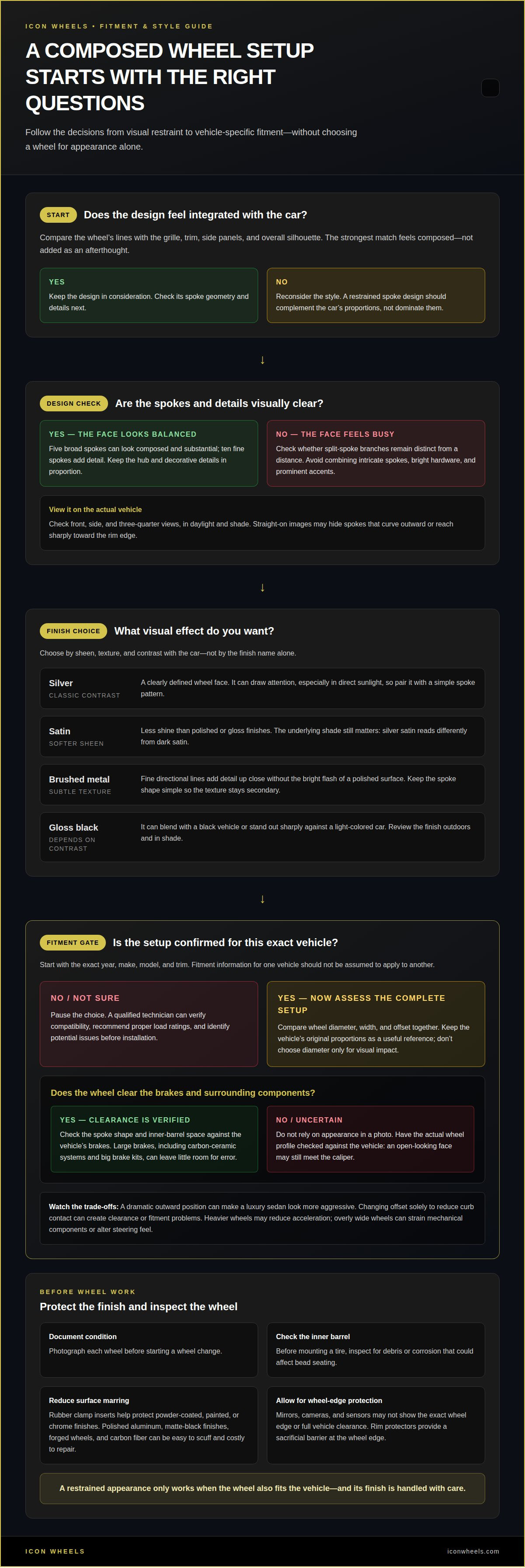
What wheel size and spoke designs complement luxury cars without looking gaudy?
- Start with the vehicle’s exact year, make, model, and trim. Wheel fitment is vehicle-specific, so an Audi Q7 guide shouldn’t be applied automatically to another model. A composed design begins with dimensions that suit the car, not a diameter chosen solely for visual impact. Keep the original proportions as a useful reference when comparing replacement options.
- Assess diameter, width, and offset together. Diameter affects the wheel’s visual scale, while width and offset influence its position relative to the body and suspension. A dramatic outward position can make a luxury sedan appear more aggressive. Changing offset solely to reduce curb contact can create clearance or fitment problems, so consider it as part of the complete setup.
- Give brake-caliper clearance equal attention. Large brakes, including carbon-ceramic systems and big brake kits, can leave little room for error. Both spoke shape and inner-barrel space matter. A face that looks open in a photograph may still meet the caliper, so assess the wheel’s actual profile against the vehicle’s brake package.
- Choose spoke proportions that suit the wheel diameter. A balanced multi-spoke design can preserve visual detail without making the rim appear crowded. Broad spokes create a more substantial look, while fine, closely spaced spokes add intricacy. On a refined sedan, avoid combining an oversized appearance with heavily branching spokes; each can intensify the other.
- Keep the outer edge visually controlled. Spokes that extend sharply toward the rim can create a more assertive effect than those with a clean, contained profile. Compare the wheel with the car’s body lines, then review it from the front and side. This helps reveal whether the design complements the vehicle or dominates its silhouette.
- Include load rating and construction in your decision. Wheel performance depends on construction, tested load rating, and material quality, while weight and width can affect acceleration, braking, fuel efficiency, and suspension response. Avoid choosing a wider or heavier setup for appearance alone. A restrained design with suitable dimensions keeps style and function aligned.
What are reputable premium wheel brands known for understated designs
- Start with established original-equipment wheel programs for your vehicle marque. These designs are developed around a specific model’s proportions, rather than a universal styling trend. Compare factory wheel patterns with the car’s body lines and trim. This provides a clear reference for understated spoke shapes, restrained finishes, and visual balance before considering aftermarket options.
- Evaluate a wheel manufacturer by its published technical details, not reputation alone. Look for clear information about construction, material, and tested load rating. These details help you assess more than appearance. A premium name or polished product photograph cannot establish whether a particular wheel suits your vehicle’s requirements.
- Review complete design ranges instead of choosing from a single striking image. A manufacturer with several restrained patterns may offer clean multi-spoke faces, simple split spokes, or understated directional designs. Compare the full face and side profile. Deeply sculpted spokes can look more assertive than a flat, evenly balanced pattern, even in the same finish.
- Match the manufacturer’s fitment information to your exact vehicle. Confirm that the stated year, make, model, and trim align with your car. Then assess diameter, width, offset, hub size, bolt pattern, and brake-caliper clearance together. Even a well-known maker’s wheel needs suitable dimensions; brand recognition alone won’t prevent rubbing or clearance issues.
- Inspect finish options under different lighting before choosing. Silver, satin, brushed, and gloss black each create a different level of contrast. Check how the finish is described in the product specification, then compare it with your paint and exterior trim. A restrained spoke design can appear bold in a high-contrast finish, so judge the combination as a whole.
- Apply the same standards to forged and other wheel construction. Forged describes a construction method, not a guarantee of elegant styling or vehicle compatibility. Check the design, load rating, and fitment details separately. For a considered choice, shortlist manufacturers whose documentation makes these details clear and whose designs complement the car rather than overpower it.
ICON WHEELS
ICON WHEELS offers luxury-brand wheel options for drivers seeking a refined, vehicle-specific look. Its range includes Wheels For Mercedes, Wheels For Rolls Royce, and Wheels For Land Rover, alongside Custom Built Forged Wheels. These options provide a starting point for matching wheel style with your vehicle’s character and your preference for a restrained finish.
Consider ICON WHEELS when you’re ready to move from comparing designs to choosing wheels for your luxury vehicle. Keep your priorities clear: understated styling, appropriate dimensions, finish, and brake-caliper clearance. These details help guide a considered choice without letting appearance alone drive the decision.
Contact ICON WHEELS to discuss your wheel choice.
Choose a Wheel Direction That Lasts
A wheel upgrade can shape how a luxury car feels every time you see it. Treat the decision as part of the vehicle’s design, not a trend to chase. Avoiding gaudy rims on high-end cars means choosing a look you’ll still value after the novelty fades. Consider how the finish and spoke pattern will sit alongside future changes to the car’s paint, trim, or exterior details.
For a vehicle-specific starting point, ICON WHEELS offers Wheels For Mercedes, Wheels For Rolls Royce, and Wheels For Land Rover. Choose the direction that suits your car, then keep fitment and appearance aligned as you refine your selection.
Contact ICON WHEELS for wheel advice and take the next step toward a distinctive, considered finish. Your car can make a statement without the wheels overpowering its character.
Frequently Asked Questions
Why can expensive or low-profile rims feel more vulnerable?
Expensive or low-profile rims can feel more vulnerable because the wheel edge is exposed and visible damage stands out. With less tire sidewall covering the rim, a curb strike can reach the finish more directly. Sidewall coverage varies and isn’t impact-proof. Parking sensors and cameras may not show the exact wheel edge. Approach curbs slowly, use direct visibility where possible, and treat rim protectors as a barrier, not a guarantee.
