
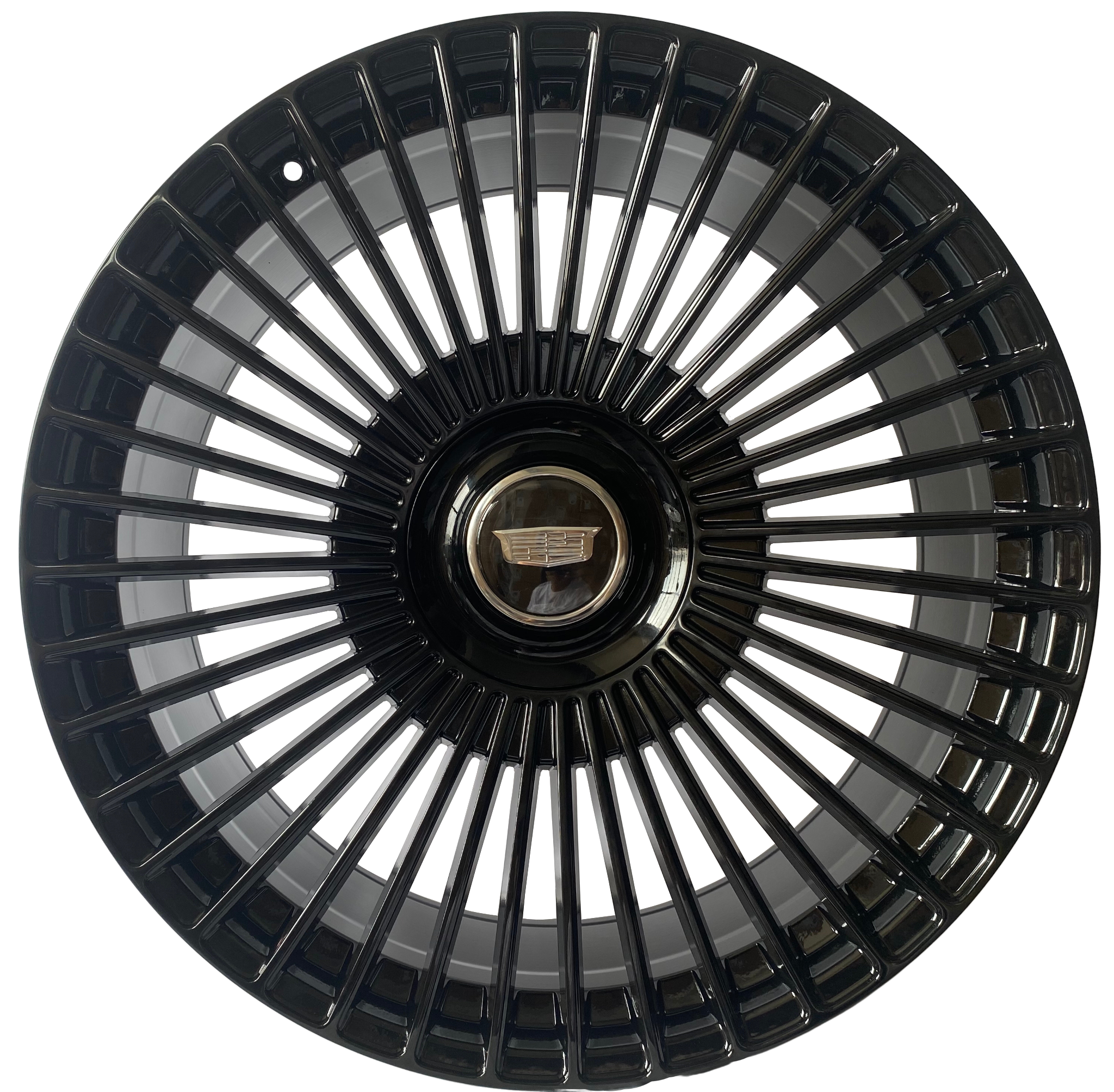
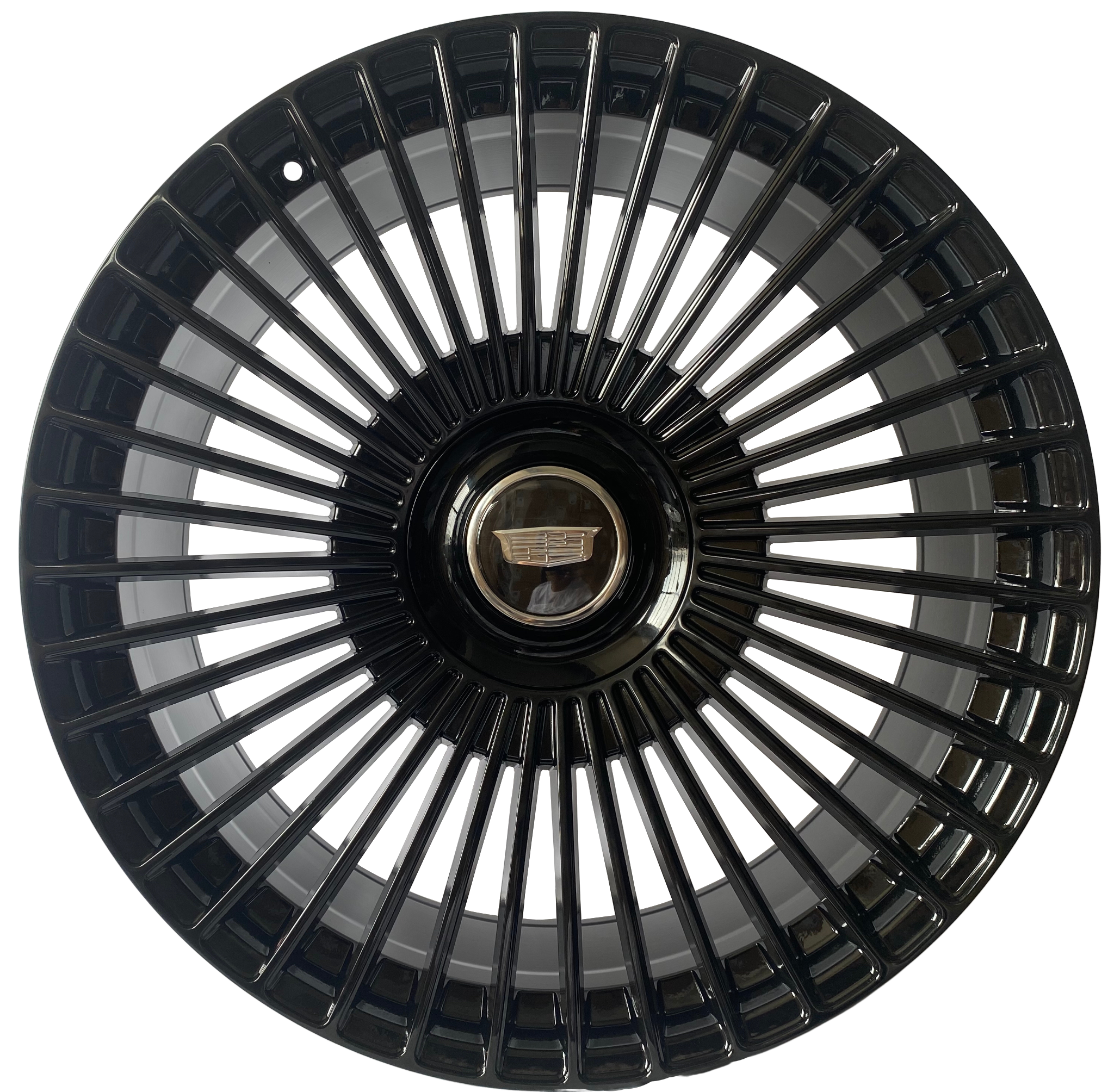


Your six thousand pound luxury SUV is a masterpiece of modern engineering, yet it may be resting on a dangerous structural gamble. When evaluating forged vs cast wheels for luxury SUVs, the decision isn't merely about aesthetics; it's about the cold physics of stability and passenger survival. You've likely felt the underlying anxiety of wondering if aftermarket rims can truly handle the massive gross vehicle weight of a Cadillac Escalade or a Rolls Royce Cullinan at high speeds. It's a valid concern. Choosing the wrong manufacturing process can lead to catastrophic failure or a ruined ride quality that betrays your vehicle's prestige.
We understand that you demand uncompromising excellence and absolute peace of mind. This guide will clarify the technical fog surrounding load ratings and material science. You'll discover why forged engineering is the non-negotiable safety and performance standard for the elite heavyweights of 2026. We'll explore how 6061-T6 aerospace-grade aluminum provides the strength to withstand immense stress while shedding the unsprung weight that hampers your suspension. Prepare to gain the confidence to select custom wheels that don't just look the part, but actually outperform the factory originals in every measurable metric.
Key Takeaways
- Heavy luxury SUVs place immense stress on their wheels. Learn why curb weight is the ultimate factor in determining your vehicle's safety standards.
- Understand the critical structural gap between forged vs cast wheels for luxury SUVs to secure a foundation that won't crack under pressure.
- Aerospace-grade 6061-T6 aluminum provides a molecular advantage. Discover how 10,000 tons of pressure forge an unbreakable bond for your vehicle.
- Strength enhances every mile. See how wheel rigidity preserves your vehicle's smooth ride and improves heat dissipation during heavy braking.
- Generic wheels are a gamble. Understand why precision-engineered, model-specific load ratings are the only acceptable standard for elite SUVs.
The Physics of Heavy SUVs: Why Standard Wheels Fail the Weight Test
Modern luxury titans like the Rolls Royce Cullinan and Cadillac Escalade represent the pinnacle of automotive achievement. They also represent a massive physical challenge. These vehicles frequently tip the scales at over 6,000 pounds. This isn't just about presence; it's about the immense pressure placed on four small points of contact. When discussing forged vs cast wheels for luxury SUVs, we must address the reality of these curb weights. Most standard aftermarket options simply aren't designed to withstand the brutal physics of a high-performance SUV in motion. Your SUV is a titan. It demands a foundation of absolute strength.
Understanding GVWR and Static vs. Dynamic Loads
The Gross Vehicle Weight Rating (GVWR) is your vehicle's maximum safe operating weight. It includes the chassis, passengers, and cargo. For a heavy SUV, this number is staggering. Your wheels must exceed this rating with a significant safety margin. However, static weight is only half the story. The real danger lies in dynamic load. During high-speed cornering or sudden braking, the weight distribution shifts violently. A single wheel might suddenly be forced to support three times its static weight. Forged wheels are engineered for these peaks. Cast alternatives often struggle to maintain structural integrity under these extreme, fleeting forces. They lack the grain structure required to absorb such intense energy without deformation.
The Limitations of OEM Cast Wheels
Manufacturers often choose mass-produced cast wheels to balance cost and production speed. The Alloy wheel manufacturing processes used in casting involve pouring molten metal into a mold. This method inherently allows for microscopic porosity. These tiny air pockets act as stress concentrators. Over time, the constant pounding of a heavy SUV leads to metal fatigue. The debate over forged vs cast wheels for luxury SUVs usually ends the moment a cast rim cracks on a highway expansion joint. If you upsize to 22 or 24-inch cast wheels, the risk intensifies. Larger cast wheels require more material to stay strong, which adds massive unsprung weight. If they're made thin to save weight, they become dangerously brittle. Forged engineering eliminates this compromise entirely. It provides a dense, grain-aligned structure that handles potholes and high speeds with effortless composure. You shouldn't have to choose between size and safety.
The Forging Process: Building Structural Integrity at the Molecular Level
True luxury requires a foundation that never flinches. While casting relies on gravity and liquid metal, forging uses brute force to achieve perfection. When comparing forged vs cast wheels for luxury SUVs, the most significant advantage is the elimination of internal defects. We start with a solid billet of 6061-T6 aerospace-grade aluminum. We then subject it to 10,000 tons of hydraulic pressure. This isn't just shaping. It's a total molecular transformation. Every microscopic air pocket is obliterated. What remains is a dense, unified structure capable of supporting the world's most prestigious vehicles.
Molecular Grain Flow: The Secret to Unmatched Strength
Think of a piece of oak. Its strength comes from the direction of its fibers. Forging does the same for metal. By forcing the aluminum into a die, we align the internal fibers into a continuous, unbroken pattern. This is known as grain flow. In contrast, cast wheels have a random, porous structure that is inherently brittle. The properties of aluminum alloy forgings demonstrate that this alignment is what allows a wheel to bend rather than shatter during a severe impact. The structural superiority of forged vs cast wheels for luxury SUVs is most evident in this grain alignment. Grain flow is the primary reason forged wheels do not crack under pressure.
6061-T6 Aluminum: From Aerospace to the Escalade
We don't settle for standard alloys. We use 6061-T6. This material was perfected for aerospace applications where failure isn't an option. The "T6" refers to a rigorous heat treatment process. We quench and artificially age the metal to lock in its maximum hardness. This allows us to engineer wheels for a Cadillac Escalade that are incredibly thin and elegant, yet possess a higher load rating than bulky factory rims. It's the marriage of high fashion and high-stress engineering. This material density ensures that your wheels remain perfectly round and true, even after years of supporting a heavy luxury chassis.
Monoblock vs. Multi-piece: Maximum Rigidity
For maximum rigidity, the monoblock forging is king. Carved from a single solid piece, it offers the highest possible strength-to-weight ratio. While multi-piece wheels allow for deeper lips and custom offsets, the monoblock design provides the unwavering stability required for a 6,000-pound SUV. It eliminates the potential for air leaks or bolt fatigue. If you want to see how these engineering principles translate into elite aesthetics, explore our Custom Built Forged Wheels. Choosing the right construction is the first step toward a safer, more refined driving experience.
Forged vs. Cast Wheels: A Comparative Strength Analysis for Luxury Vehicles
Strength is never a suggestion. For the owner of a heavy luxury vehicle, it's the only thing standing between a refined journey and a roadside disaster. When we analyze forged vs cast wheels for luxury SUVs, the data reveals a massive performance gap. Forged 6061-T6 aluminum possesses significantly higher tensile and yield strength than any cast counterpart. This means it can withstand far more force before it deforms or fails. In a world where luxury vehicles are heavier than ever, this structural reserve isn't just a benefit. It's a necessity.
Imagine the physics of a 6,000-pound SUV hitting a deep pothole at 60mph. This event generates an instantaneous shockwave that can exceed several tons of force. A cast wheel, with its porous and brittle internal structure, has no way to absorb this energy. It often shatters. A forged wheel, however, uses its dense molecular grain to dissipate the impact. It's engineered to survive the lifetime of the vehicle, maintaining its integrity through thousands of heat cycles and millions of tire rotations.
Failure Modes: Cracking vs. Bending
The most dangerous difference between these manufacturing methods is how they fail. Cast aluminum is notoriously brittle. When pushed past its limit, it cracks or shatters completely. This leads to immediate tire deflation and a loss of steering control. This is a catastrophic scenario at highway speeds. Forged aluminum is ductile. If you subject it to an impact that would destroy a cast wheel, a forged wheel is far more likely to bend rather than break. A bent rim might cause a vibration, but it usually holds air. This allows you to bring the vehicle to a safe, controlled stop. For the elite driver, this safety margin is the ultimate luxury.
Unsprung Weight and Handling
Performance isn't just about surviving impacts. It's about how the vehicle feels. Unsprung weight refers to the components not supported by the suspension, like your wheels and tires. Reducing this weight is the most effective way to sharpen handling. Forged wheels typically offer a 25% to 30% weight advantage over cast wheels of the same size. This allows your suspension to react faster to road imperfections. The result is a smoother ride and shorter braking distances. We've detailed how this specific engineering improves high-performance platforms in our guide to forged wheels for Porsche Cayenne. By shedding pounds while increasing load capacity, you unlock the true potential of your SUV's chassis.
Performance and Safety Benefits: How Strength Enhances the Driving Experience
Performance in a luxury SUV isn't just about zero to sixty times. It's about the effortless poise your vehicle maintains at high speeds. When you settle into the driver's seat of a high-end vehicle, you expect a sanctuary. However, the choice between forged vs cast wheels for luxury SUVs can either preserve or shatter that experience. A wheel's structural integrity dictates how your suspension communicates with the road. Weakness in the wheels translates directly to compromised handling and a loss of that signature luxury refinement. True performance is the ability to command a six thousand pound vehicle with absolute precision and zero hesitation.
Rigidity and the Vibration-Free Luxury Experience
Luxury SUVs are engineering marvels designed to isolate you from the world. Yet, mass-produced cast wheels often introduce micro-vibrations that factory engineers worked hard to eliminate. Because cast aluminum is less dense, it actually flexes under the immense weight of a Cadillac Escalade or a Rolls Royce Cullinan during cornering. This flex creates a subtle harmonic distortion that you feel through the steering column. Forged wheels possess a higher modulus of elasticity. They remain perfectly rigid, ensuring the "Magic Carpet Ride" remains undisturbed. This structural stiffness also protects your aesthetic investment. A rigid wheel maintains its shape better over time, which is essential when opting for intricate custom forged wheel finishes that demand a perfect surface.
Thermal Management and Brake Performance
Heavy SUVs generate staggering amounts of kinetic energy that must be converted into heat during braking. Your wheels act as a critical heat sink for this thermal load. Forged 6061-T6 aluminum has superior thermal conductivity compared to cast alloys. It draws heat away from the rotors and dissipates it into the airflow more efficiently. This is vital during long mountain descents or when towing heavy loads. Reduced heat buildup means less brake fade and more consistent stopping power. We've seen this synergy play a massive role in the performance of 22 inch Range Rover wheels, where braking systems are pushed to their absolute limits. Better cooling doesn't just improve safety; it extends the life of your expensive braking components.
Structural confidence also pays dividends in tire longevity. A wheel that flexes causes the tire's contact patch to distort, leading to rapid, uneven tread wear. Forged rigidity keeps the tire flat against the pavement, maximizing grip and mileage. Ultimately, the transition to forged engineering is a transition to total control. You deserve the peace of mind that comes from knowing your foundation is unbreakable. Elevate your vehicle's standards today by exploring our Custom Built Forged Wheels and experience the difference that precision engineering makes on every road.
Choosing ICON WHEELS: Custom-Engineered Strength for Elite SUVs
ICON WHEELS is not a mass-market manufacturer. We are visionary curators of automotive performance and safety. When you navigate the choice between forged vs cast wheels for luxury SUVs, the technical evidence points toward forging. However, the execution of that forging is what separates a generic rim from an ICON masterpiece. We don't believe in the dangerous gamble of one-size-fits-all solutions. For a vehicle that weighs three tons, a universal wheel is a liability. Your vehicle represents the pinnacle of achievement. Its foundation must be equally elite.
Our engineering philosophy centers on precision. We don't just guess at load ratings; we calculate them. Every wheel we produce is a bespoke response to your vehicle's specific physical demands. We analyze the Gross Vehicle Weight Rating (GVWR) and the unique axle distributions of the world's heaviest platforms. This level of detail is the only way to ensure absolute stability at high speeds. We provide more than just a product. We provide an unbreakable structural guarantee.
Bespoke Engineering for the Cullinan and Escalade
The Rolls Royce Cullinan and Cadillac Escalade are titans of the road. They demand an engineering profile that accounts for their massive presence and high center of gravity. At ICON, we tailor our 6061-T6 monoblock designs to exceed factory safety margins by a significant percentage. This rigorous approach is why our Wheels For Mercedes collection is the industry standard for the G-Wagon and S-Class. We optimize every spoke and barrel to handle the violent weight shifts of a heavy SUV during emergency maneuvers. You shouldn't settle for "good enough" when you can have precision-engineered perfection.
The ICON Guarantee: Mastery in Every Rim
Mastery is found in the details. Every ICON wheel is carved from a single solid billet of aerospace-grade aluminum. This monoblock construction offers the maximum possible rigidity and durability for high-load applications. We subject our designs to testing protocols that simulate years of brutal road use in a matter of days. This commitment to excellence is why elite owners trust ICON for their most demanding vehicle builds. We bridge the gap between elite aesthetics and uncompromising structural safety. You get the look you desire without the fear of wheel failure.
The debate over forged vs cast wheels for luxury SUVs ends the moment you experience the ICON difference. You've invested in a world-class vehicle. It deserves a world-class foundation. Don't compromise your safety or your style with inferior casting. Choose the engineering standard that dictates the trend rather than following it. Elevate your driving experience to the next level of security and refinement. Design your custom forged wheels with ICON WHEELS today and command the road with total confidence.
Command the Road with Uncompromising Structural Integrity
Your vehicle is more than a means of transport; it's a statement of status and engineering excellence. As we've explored, the technical gap between forged vs cast wheels for luxury SUVs is a matter of absolute safety. Mass-produced cast rims simply cannot match the molecular density of 6061-T6 aerospace-grade aluminum. While cast wheels risk catastrophic failure under the weight of a six thousand pound chassis, forged engineering provides a ductile, unbreakable foundation that preserves your vehicle's refined ride quality. You shouldn't have to choose between elite aesthetics and structural survival.
ICON WHEELS specializes in precision fitments for the world's most prestigious brands. We offer bespoke engineering specifically for the Rolls Royce Cullinan and Cadillac Escalade, ensuring your load rating exceeds every factory standard. Our commitment to monoblock construction means your SUV remains stable, silent, and responsive at any speed. It's time to elevate your vehicle's performance to match its prestige. Secure the strength your SUV deserves; explore ICON WHEELS custom collections today. Drive with the confidence that only master-level engineering can provide.
Frequently Asked Questions
Are forged wheels really necessary for a luxury SUV if I only drive on city streets?
Yes, because urban environments often present the most aggressive structural challenges for a heavy vehicle. Deep potholes and sharp expansion joints create massive localized pressure that can easily crack a brittle cast wheel. Forged engineering provides the structural density required to absorb these sudden impacts without failure. You're investing in peace of mind for your daily commute.
How much weight can a single 24-inch forged ICON wheel support?
Each wheel is custom-engineered to exceed your specific vehicle's Gross Axle Weight Rating. For the 2026 standards, our forged wheels are typically designed to support loads exceeding 2,500 pounds per wheel. This ensures a massive safety margin even for the heaviest armored variants or fully loaded luxury SUVs. We calculate these ratings based on your vehicle's exact physics.
Do forged wheels improve the ride quality of a heavy SUV like the Escalade?
Absolutely. By significantly reducing unsprung weight, forged wheels allow your suspension to react faster to road imperfections. This eliminates the "clunky" feeling often associated with large 24-inch factory wheels. You'll notice a more composed, isolated ride that preserves the Cadillac Escalade's signature luxury experience. It's an upgrade you'll feel in the steering column immediately.
Will forged wheels crack if I hit a deep pothole in my Range Rover?
Forged wheels are far less likely to crack than cast alternatives because they are ductile rather than brittle. In a severe impact that would shatter a cast rim, a forged wheel is designed to bend slightly rather than break. This allows the tire to maintain air pressure so you can bring the vehicle to a safe, controlled stop.
How do I know if the load rating of an aftermarket wheel is safe for my SUV?
You must verify that the wheel's load rating meets or exceeds half of your vehicle's heaviest Gross Axle Weight Rating. When evaluating forged vs cast wheels for luxury SUVs, look for a rating that provides a 20% safety buffer over the factory minimum. ICON WHEELS handles these complex calculations for you during the bespoke engineering process.
Is there a difference in strength between monoblock and three-piece forged wheels for heavy loads?
Monoblock forgings offer the highest possible structural rigidity and strength-to-weight ratio. While three-piece wheels allow for deeper lips and custom offsets, the single-piece monoblock is the superior choice for heavy SUVs. It eliminates potential failure points like assembly bolts and air leaks while providing maximum stability under the lateral forces of high-speed cornering.
Why are forged wheels more expensive than the wheels that came on my SUV from the factory?
Factory wheels are typically mass-produced using casting or flow-forming to minimize production costs. Forged wheels require aerospace-grade 6061-T6 aluminum and a labor-intensive process involving 10,000 tons of pressure. This creates a molecular density and grain alignment that casting cannot replicate. You're paying for a higher grade of material and a more sophisticated manufacturing standard.
Can I use forged wheels for towing with my Cadillac Escalade?
Forged wheels are actually the preferred choice for towing due to their superior heat dissipation and structural integrity. They handle the added tongue weight and the heat generated by heavy trailer braking much better than standard cast wheels. This keeps your hub temperatures lower and ensures your wheels remain perfectly round even under the most demanding towing conditions.
