
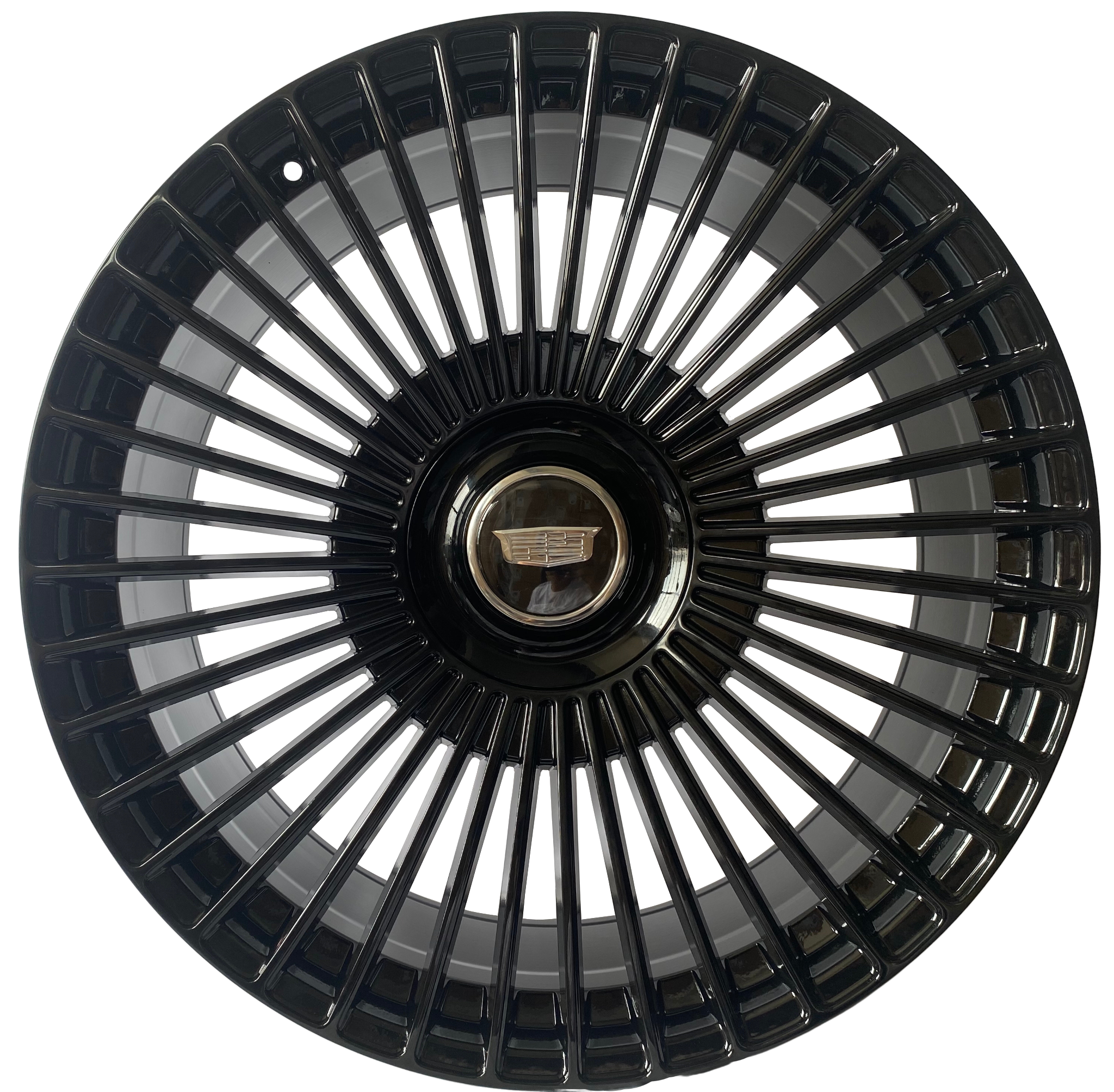
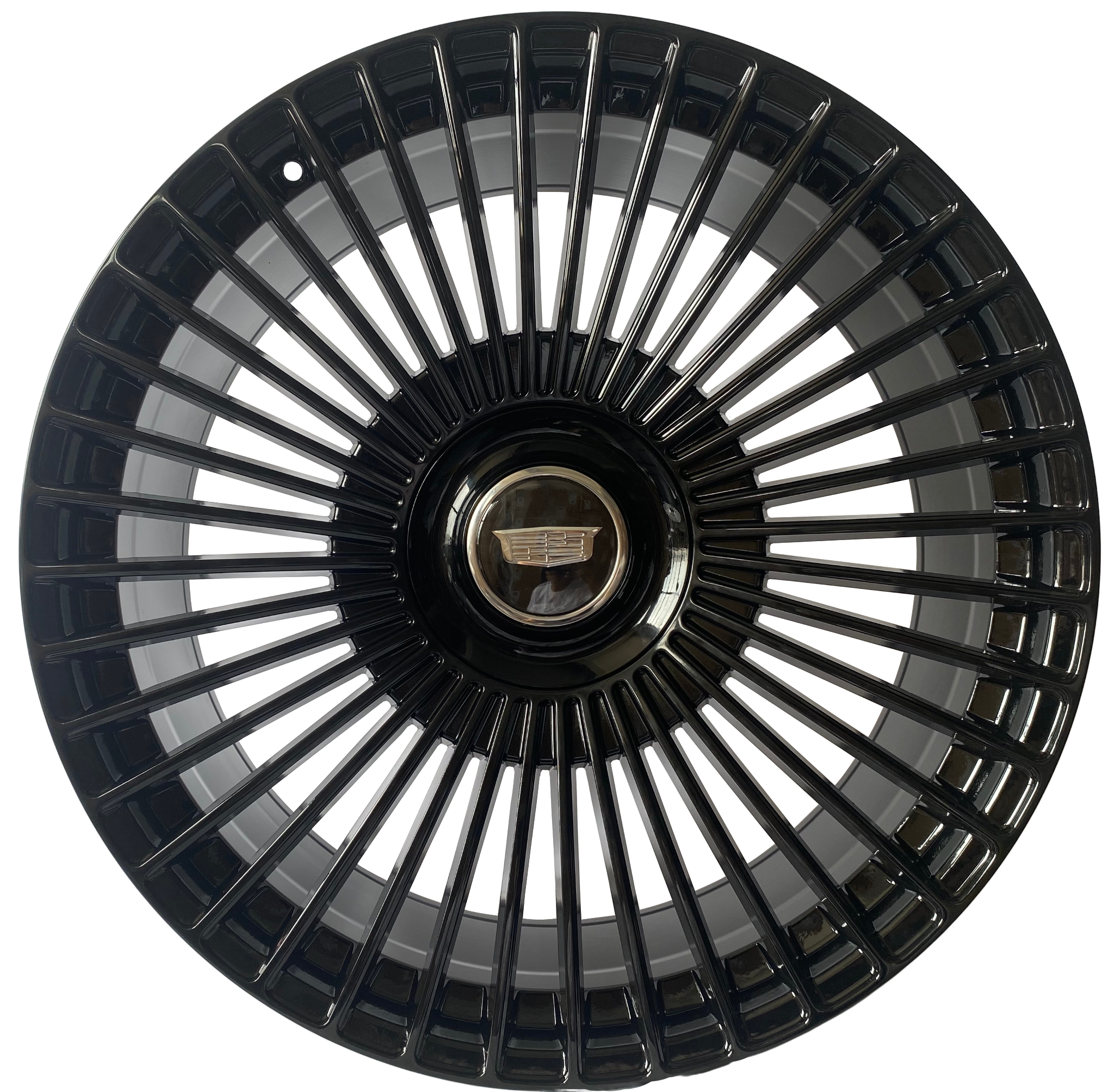


The right wheel is engineered around the car, not chosen by appearance alone. Selecting custom forged wheels for exotic cars starts with the exact vehicle model and fitment requirements, then moves to design, dimensions, and material.
A distinctive finish matters, but so does a precise fit that complements the vehicle’s proportions and intended use. Consider the wheel’s construction and how its design suits the car as carefully as its appearance.
This guide explains how to approach an order, what vehicle-specific fitment involves, and how to assess 6061-T6 aluminum construction. It also outlines the choices that shape a forged wheel’s design and the practical considerations that help you select a set with confidence. From the first vehicle details to the final design direction, each decision should serve the car as a whole.
Key Takeaways
- Start with vehicle-specific fitment: width and offset shape how the wheels sit, while finish defines their visual character.
- Match the wheel design to the vehicle’s proportions and the look you want, rather than choosing a style in isolation.
- Understand what 6061-T6 construction and the forging process contribute when assessing a wheel’s material and build.
- Weigh the design and construction priorities for your sports car or luxury vehicle before moving toward a custom order.
What Makes a Forged Wheel Brand Worth Buying?
When comparing forged wheels, focus on fitment, construction, finish, and the guidance available for selecting the right specifications. Together, these details help determine whether a design complements the vehicle and suits its intended use.
Fitment Dimensions and Finish Selection
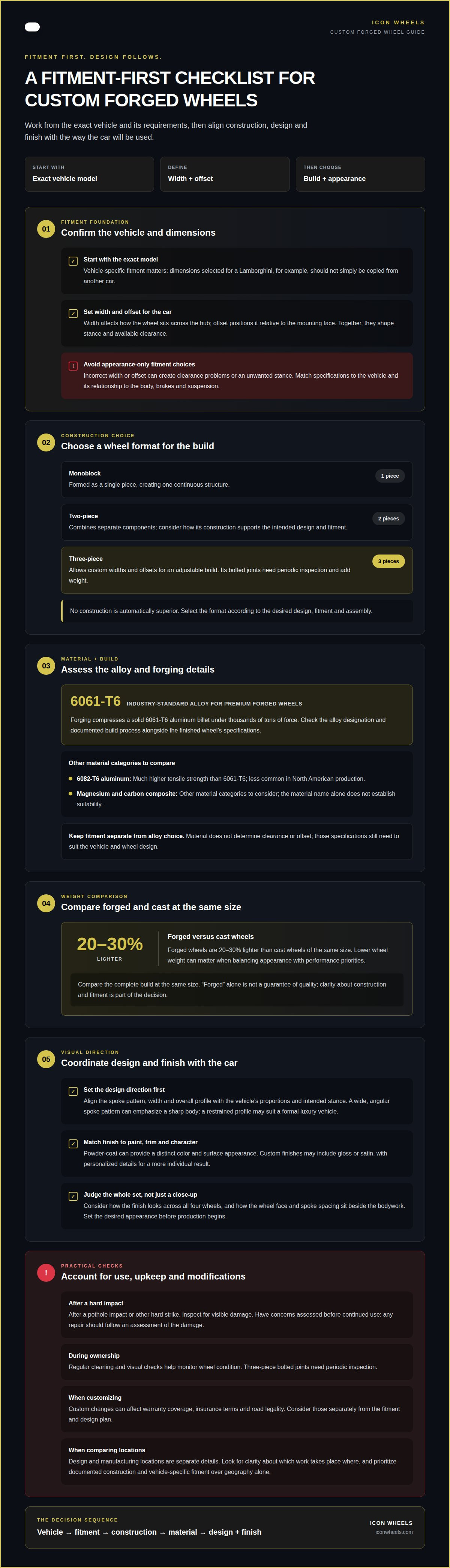
Begin with the confirmed vehicle model, then define wheel width, offset, and finish. Width affects how the wheel sits across the hub; offset positions it relative to the mounting face. Together, these dimensions shape stance and available clearance. A Lamborghini, for example, needs dimensions selected for its specific fitment, not simply copied from another car. Three-piece forged wheels allow custom widths and offsets, but their bolted joints need periodic inspection and add weight.
Finish Options and Personalization
Choose a finish that works with the vehicle’s paint, trim, and overall character. Powder-coat finishes can provide a distinct color and surface appearance; custom finishes may include choices such as gloss or satin. Premium upgrades and personalized details can make the wheel feel more individual. Consider how the finish will look across all four wheels, not only in a close-up image, and settle the desired appearance before production begins.
Forged Versus Cast Wheel Benefits
Forged wheels are 20-30% lighter than cast wheels of the same size. Lower wheel weight can matter to drivers balancing appearance with performance priorities. Forged construction also supports made-to-order designs, including specific widths and offsets. Compare wheels at the same size and consider the complete build, rather than treating “forged” as a guarantee of quality. A brand’s clarity about construction and fitment is part of the buying decision.
Fitment and Wheel Damage Risks
Incorrect width or offset can create clearance problems or an unwanted stance. Reduce that risk by matching the wheel specifications to the vehicle instead of relying on appearance alone. After a pothole impact or other hard strike, inspect the wheel for visible damage and have concerns assessed before continued use. Regular cleaning and visual checks help you monitor its condition; any repair should follow an assessment of the damage.
Custom forged wheel designs and vehicle-specific customization
A tailored wheel selection starts with the exact vehicle, its intended use, and the desired visual direction. Custom changes can affect warranty coverage, insurance terms, and road legality, so consider those separately.
Vehicle-Specific Design and Fitment
For a Porsche 911 or Lamborghini, design decisions should follow the vehicle’s proportions and fitment requirements. Start by defining the intended stance and the wheel’s relationship to the body, brakes, and suspension. Then align the spoke pattern, width, and overall profile with those constraints. A well-planned wheel design balances visual impact with structural priorities. The vehicle model guides the build; a design made for a different model may not translate directly.
Monoblock and Multi-Piece Designs
A monoblock wheel is formed as a single piece, giving the design one continuous structure. A 2-piece design combines separate components, while a 3-piece design uses additional components for a more adjustable build. Those construction choices shape the wheel’s appearance and assembly. Select a format according to the desired design and fitment, rather than treating one construction as automatically superior. Each option should support the vehicle-specific dimensions and the intended look.
Designs for Exotic and Performance Cars
Exotic and performance cars call for designs that complement their proportions. A wide, angular spoke pattern can emphasize a sharp body, while a restrained profile may suit a formal luxury vehicle. Consider the wheel face, spoke spacing, and finish together: these details shape how the wheels look beside the bodywork. Set the design direction first, then align the visual elements with the vehicle’s character.
Design and Manufacturing Location
Design and manufacturing locations are separate details. A statement about U.S. design or manufacturing should specify which work takes place there. Location alone does not explain how a wheel is engineered or produced. When comparing options, focus on documented construction details and vehicle-specific fitment, rather than treating geography as evidence of suitability.
6061-T6 aluminum construction
Material and manufacturing choices shape a forged wheel’s construction. Compare alloy specifications and the documented build process, not material labels alone.
Forged Material and Alloy Options
6061-T6 aluminum is the industry-standard alloy for premium forged wheels. Forging compresses a solid 6061-T6 aluminum billet under thousands of tons of force. This process gives buyers a clear construction detail to assess alongside the finished wheel’s specifications.
6082-T6 aluminum has much higher tensile strength than 6061-T6 aluminum and is less common in North American production. Magnesium and carbon composite are other material categories to consider, but their names alone don’t establish suitability. Compare the documented material and construction for each option, then relate those details to the vehicle’s intended use.
Material selection is only one part of the fitment plan. The alloy does not determine clearance or offset by itself; those specifications must suit the vehicle and wheel design.
Forged Aluminum Wheel Series
A forged aluminum wheel series is best assessed through its stated construction and available specifications. Look for the alloy designation, the forging method, and the dimensions associated with the chosen build. For example, a series using 6061-T6 should identify that alloy clearly, while a 6082-T6 specification indicates a different aluminum grade.
Use the material and fitment details to compare options without assuming a product name guarantees a particular fit. Dimensions, offsets, and clearance remain specific to the wheel and vehicle. Consider the material alongside the actual wheel specifications, rather than treating the alloy as the only measure of quality.
When choosing custom forged wheels for exotic cars, match the material information to the design, then assess the complete specifications against the vehicle. This makes comparisons more meaningful and keeps the decision grounded in the actual build.
Forged wheels for sports cars and luxury vehicles
Sports cars and luxury vehicles ask different things of a wheel. A Porsche 911 may call for a performance-led appearance, while a Rolls-Royce Ghost may favor a more formal, composed design. Forged wheels are 20-30% lighter than cast wheels of the same size. That comparison gives buyers a useful reference point, but the finished wheel’s dimensions and construction still matter.
For a sports car, assess weight alongside the full vehicle setup. A lighter wheel can reduce rotating mass, a relevant consideration for drivers focused on responsive performance. The wheel must still suit the car’s fitment and intended use. For example, a track-focused visual direction may differ from a road-going build. Treat “lightweight” as one design criterion, not a substitute for checking the complete specifications.
Luxury vehicles call for a considered balance. A Bentley Continental GT or Lamborghini Huracán has its own proportions and design character. The spoke pattern, finish, and wheel profile should support that vision rather than compete with the bodywork. A bold design can sharpen a sports car’s stance, while a restrained finish can complement a luxury sedan. These choices shape the vehicle’s presence alongside the wheel’s construction.
Start with the vehicle’s primary role, then set priorities. For sports cars, decide how performance goals and appearance should work together. For luxury models, consider whether the design should make a statement or preserve a refined look. Next, compare the selected wheel’s weight and construction with its cast counterpart at the same size. The takeaway: choose forged wheels by the complete vehicle and build, not by the “forged” label alone.
ICON WHEELS: Custom Built Forged Wheels
ICON WHEELS offers Custom Built Forged Wheels for drivers seeking a wheel design tailored to an exotic or luxury vehicle. The vehicle-specific approach outlined above helps organize the key decisions: model, fitment, construction, and appearance. Together, these details create a clearer direction for a custom build.
For marque-specific options, ICON WHEELS offers wheels for Mercedes, Rolls-Royce, and Land Rover. Choose the relevant range for your vehicle, then consider whether a custom-built design better matches your desired look. When deciding, have the exact model and your priorities, including style and fitment, ready.
Contact ICON WHEELS to discuss your wheel design.
Shape the Next Chapter of Your Build
A wheel choice expresses more than a preferred style. It shapes how your vehicle presents itself. Start with a clear vision for the car, its character, and the look you want to create. For custom forged wheels for exotic cars, that direction helps turn individual preferences into a cohesive design brief.
ICON WHEELS offers Wheels For Mercedes, Wheels For Rolls Royce, and Wheels For Land Rover. These marque-specific options provide a starting point for drivers shaping a distinctive look for one of those vehicles. Choose the direction that feels right for your car, then move forward with confidence and purpose.
Contact ICON WHEELS to discuss your wheels and take the next step toward a design that feels unmistakably yours.
Frequently Asked Questions
What are custom forged wheels for exotic cars?
They are forged wheels selected or designed around an exotic vehicle’s fitment and appearance requirements. A custom order can specify design details that distinguish the wheel from a standard, off-the-shelf look. The vehicle’s exact model and wheel specifications guide the selection. The result is a wheel choice considered as part of the vehicle’s overall design, not as a separate accessory.
How much do custom forged wheels for exotic cars cost in the United States?
The price depends on the wheel build and the selected specifications. Design complexity, dimensions, construction, finish, and vehicle-specific requirements can all shape the final product. Treat the wheel as a custom configuration rather than assuming one price applies to every exotic car. A useful comparison considers the complete specification and finish, not just the wheel’s appearance or material label.
Which U.S. manufacturers make custom forged wheels for exotic cars?
ICON WHEELS specializes in the design and sale of custom-built forged wheels for luxury vehicle brands. Its offerings include wheels for Mercedes, Rolls-Royce, and Land Rover, among others. Design and sale are distinct from a claim about where manufacturing takes place. For a specific vehicle, focus on the named wheel offering and its fitment details rather than assuming every brand serves every model.
How do I choose wheel size, width, offset, and bolt pattern for an exotic car?
Use specifications tied to the exact vehicle and wheel, rather than borrowing dimensions from another model. For example, a listed Porsche Cayenne and Panamera wheel is 22×9.5 / 22×11.5, with +45 / +58 offsets, a 5×130 bolt pattern, and a 71.6 mm center bore. This product-specific example shows why dimensions must be read together, not selected independently.
How are custom forged wheels designed, manufactured, and fitted?
A custom project starts by identifying the vehicle and defining the desired appearance and fitment specifications. Those details shape the design brief, including the wheel profile and finish. Manufacturing follows the selected design and material specifications. Before fitting, the completed wheel’s dimensions and mounting details must correspond to the intended vehicle. Keep the final specification associated with the exact wheel set throughout the process.
What load ratings and safety certifications should forged wheels meet?
Choose a wheel load rating that meets the vehicle’s required load capacity. The forged construction or alloy designation alone does not state that capacity. For safety certifications, look for documentation tied to the exact wheel model and its intended application. A general product description is not a substitute for model-specific evidence, and certification names should not be assumed without supporting documentation.
