
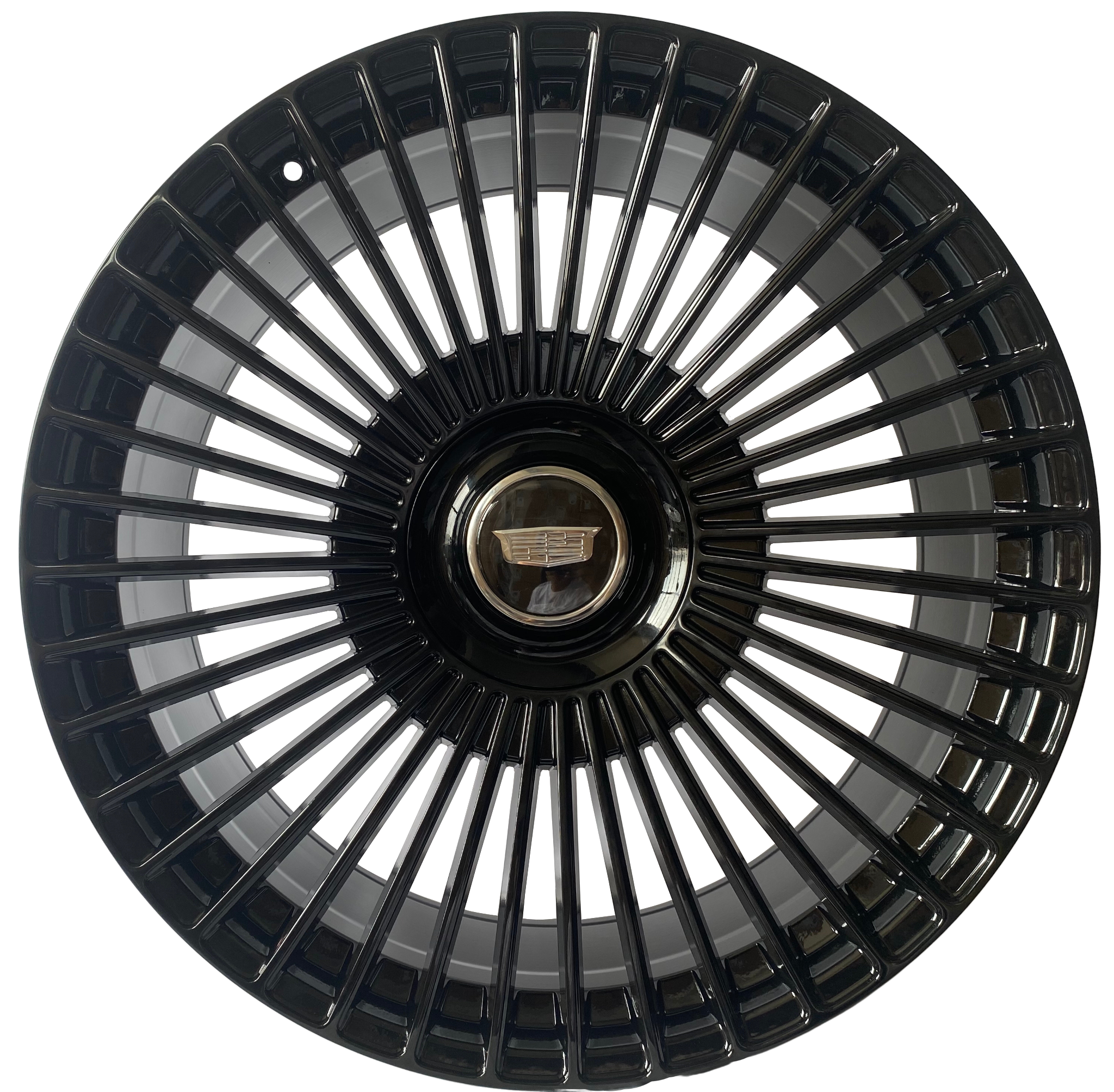
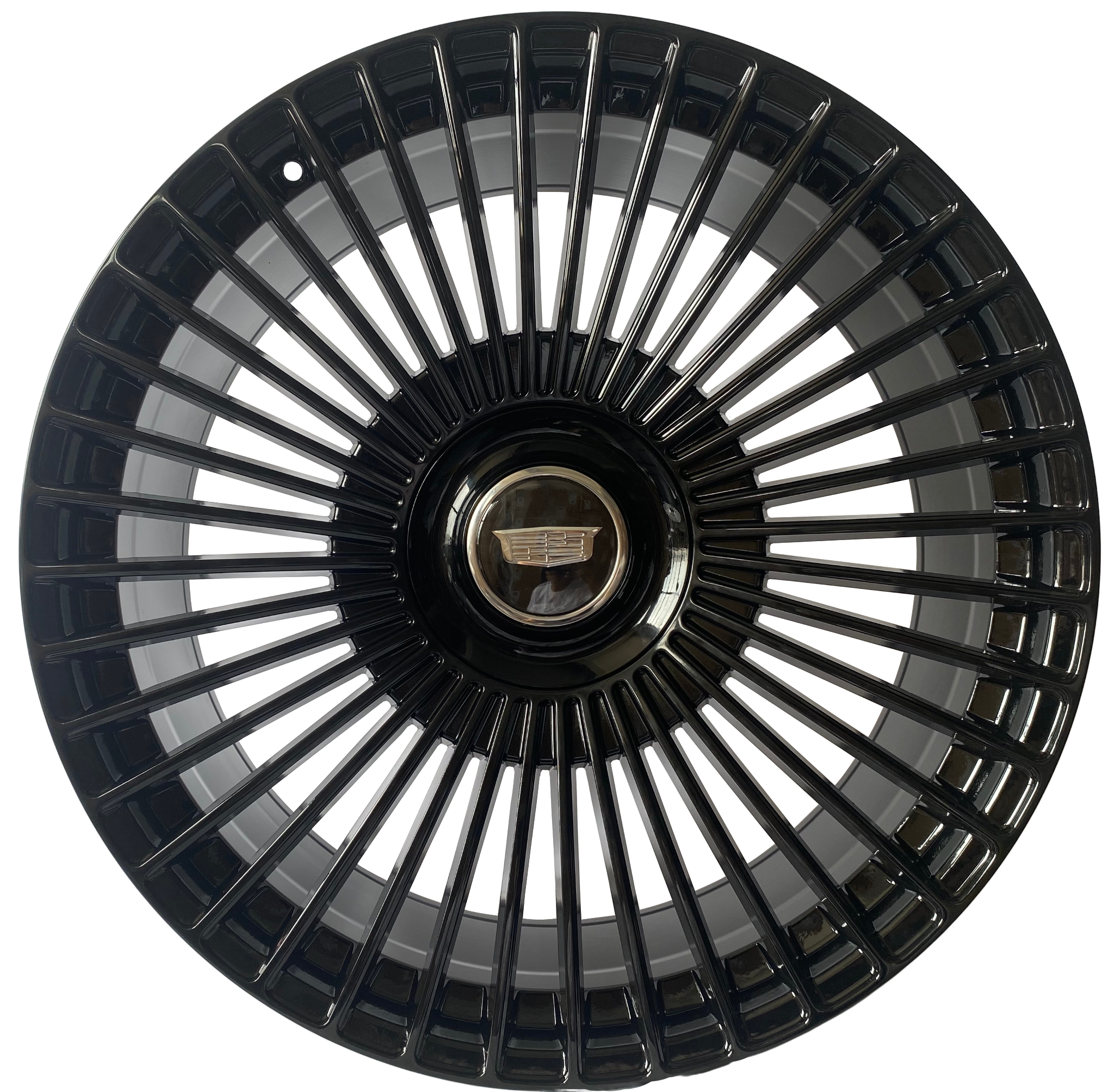


The most advanced wheel isn’t automatically the simplest choice for winter. If you’re asking whether forged wheels are good for winter driving, they can be, but forged construction alone doesn’t make a wheel immune to cold, road salt, or damage.
It’s sensible to look beyond appearance when asking, are forged wheels good for winter driving? Winter roads can be harsh on wheels, and the right choice depends on how you drive, the wheel’s finish, and how you care for it. Forged wheels offer a premium option, while steel and other alloy wheels come with different trade-offs.
This article explains how forged wheels fare in cold weather, what winter use means for maintenance, and which long-term costs to consider. Use these practical factors to decide whether to keep forged wheels on your vehicle year-round or choose a separate winter set.
Key Takeaways
- Compare the long-term trade-offs of keeping one wheel set year-round versus using a dedicated winter set.
- Understand why cold-weather behavior depends on wheel material and why forged construction alone doesn’t settle the decision.
- Learn how road salt and de-icing chemicals can affect wheel finishes, and what routine cleaning can do to limit exposure.
- Use your vehicle, winter driving conditions, and care routine to decide whether custom forged wheels fit your needs.
Long-term cost considerations
Compare the full seasonal cost, not just the wheel purchase price. A second set adds an upfront expense, but mounting winter tires on separate rims avoids repeatedly mounting and removing tires, which strains the rubber. A winter set can also help protect your original wheels from seasonal damage.
Steel wheels can cost up to three times less than alloy wheels, making them a lower-cost choice for a dedicated winter set. But price alone doesn’t settle the decision: steel can rust, while alloy wheels don’t rust, and alloy wheels can be refurbished. Consider repairability, winter exposure, storage, and how long you plan to keep the vehicle.
Storing summer wheels indoors during winter limits their exposure to road salt and other chemicals. A separate winter set also keeps them off the road when damage risks increase. Include tire changes, storage, potential repairs, and the value of protecting your vehicle’s original wheels in your comparison.
Warranty coverage depends on each wheel manufacturer’s written terms. Review provisions for winter use, corrosion, and impact damage separately. Pothole damage is an impact issue.
| Wheel option | Initial cost | Seasonal use | Long-term consideration |
|---|---|---|---|
| Steel winter set | Can cost up to three times less than alloy wheels | Pair with winter tires | Rust may affect condition over time |
| Alloy or forged set year-round | Compare purchase and care costs | Use the same wheels through both seasons | Alloy wheels can be refurbished |
| Separate alloy winter set | Requires an additional set | Keep summer wheels stored indoors | Reduces winter exposure for original wheels |
Choose a separate winter set if protecting your original wheels and avoiding repeated tire mounting are priorities. Stick with one set if you’d rather avoid the cost of buying additional wheels.
Specialists can now refurbish alloy wheels, making repair possible where it was previously almost impossible. Using a second set for winter can reduce the risk of damaging the vehicle’s original wheels.
Wheel behavior in cold temperatures
Cold-weather performance depends on the wheel’s material, finish, and fitment. Forged construction alone doesn’t remove the need to consider winter conditions.
Steel rims contract less than alloy rims as temperatures drop, and that resistance can help maintain tire pressure in winter. Forged aluminum wheels are still alloy wheels, so their construction doesn’t eliminate the effects of cold or road exposure. Check tire pressure as temperatures change, and inspect the wheel’s finish and condition before winter use.
For winter driving in the United States, choose a finish the manufacturer documents as suitable for the conditions you expect. An intact, easy-to-clean finish is practical on roads treated with salt or de-icing chemicals. Appearance alone doesn’t establish winter durability.
To determine whether a forged wheel is approved for winter use, look for guidance for that exact model in the manufacturer’s product documentation. A forged-construction label alone doesn’t establish winter approval.
Salt and De-Icing Chemical Exposure
Road salt and de-icing chemicals can affect a forged aluminum wheel’s finish, particularly if residue remains on the surface. This differs from cold contraction: the concern is chemical exposure, not temperature change. Rinse off winter residue and inspect the finish for damage, since a compromised surface can leave the underlying material more exposed.
Winter Tire and Equipment Compatibility
Forged wheels can be paired with winter tires, TPMS sensors, and snow chains when the specific wheel and vehicle fitment allow. The forged label alone doesn’t establish compatibility. The wheel must accommodate the tire and sensor, while chain use depends on clearance around the wheel and vehicle. Review the wheel and vehicle fitment documentation before installing winter equipment.
Make your decision by weighing cold-weather exposure, finish care, and equipment fitment together. Guidance for the specific wheel model is more useful than the word “forged” alone.

Can road salt and de-icing chemicals damage forged aluminum wheels?
Yes. Road salt and de-icing chemicals can affect a forged aluminum wheel’s finish. Forged construction describes how the wheel is made; it doesn’t make the surface immune to winter exposure. Aluminum alloy wheels don’t rust like steel wheels, but residue or damage can still affect their finish.
The practical distinction is between rust and finish condition. Steel wheels can rust, while alloy wheels don’t rust. Winter exposure can still affect the visible surface of a forged aluminum wheel. Salt around the spokes, lug openings, or inner barrel can be harder to remove once it dries.
Use a consistent cleaning routine after driving on treated roads. Rinse the wheel first, then clean its face, inner barrel, and the areas around the lug nuts. Follow the wheel manufacturer’s instructions for cleaning products. Drying the surface can reveal blemishes that wet residue might hide.
- Look closely at the finish around spoke edges and lug openings.
- Check the inner barrel, where road residue can collect.
- Note chips or scratches that expose a different surface beneath the finish.
- Clean off visible residue rather than letting it remain between drives.
These checks help distinguish surface contamination from visible finish damage. A dull patch after winter driving may be residue; a chip or scratch is a physical break in the finish. Address each appropriately: cleaning removes deposits, while a damaged area may need professional assessment or refinishing.
Storage also affects exposure. Keeping summer wheels indoors in winter shields them from road salt and other chemicals. If forged wheels stay on the vehicle, regular cleaning and careful inspection matter more. Limit prolonged residue, preserve the finish, and respond to visible damage before it becomes more noticeable.
Do forged wheels need special winter maintenance or cleaning?
Forged construction doesn’t require a separate winter-cleaning method. The priority is a consistent routine that removes road residue and keeps the finish visible. A driver reported cleaning black and chrome wheels thoroughly at least once a week during winter. That’s an example, not a universal schedule: road treatment and driving frequency affect how quickly grime builds up.
Clean carefully. Let the wheel cool before washing, use products suited to its finish, and avoid abrasive tools that could mark the surface. Clean the visible face and less accessible areas, then dry the wheel so water spots don’t conceal changes in the finish. Follow the wheel maker’s care instructions, especially for specialty coatings.
- Use a soft cloth or brush rather than a rough pad.
- Clean one wheel at a time so cleaner doesn’t dry on its surface.
- Check for fresh chips or scratches after winter driving.
- Keep cleaning tools free of grit that could scratch the finish.
After washing, inspect the wheel in good light. Look for new marks, changes in the finish, or residue that remains after cleaning. Note the location or take a photo so you can compare the same area later. A cosmetic mark isn’t the same as a structural concern, so don’t assume every blemish means the wheel is damaged.
Storage matters between seasons. If you remove a set, store the wheels in a clean, dry place, protected from contact with hard surfaces. Support each wheel securely so it doesn’t rub against another wheel or nearby equipment. Before putting the set back into service, inspect the finish and remove dust or storage grime.
Choose a repeatable routine based on your winter routes and wheel finish. For tailored forged-wheel options, explore custom forged wheel options.
ICON WHEELS
ICON WHEELS offers custom-built forged wheels for drivers considering winter use alongside design, fit, and long-term ownership. Forged construction alone doesn’t determine whether a particular wheel suits your winter conditions; the vehicle, wheel specification, finish, and intended equipment all matter.
For Mercedes, Rolls-Royce, and Land Rover owners, model-specific wheel options offer a starting point for considering forged designs. Choose based on how you use your vehicle, the conditions it faces, and the appearance and performance you expect from its wheels.
If you’re considering forged wheels for your vehicle, contact ICON WHEELS to discuss your options.
Choose a Winter Setup That Fits Your Vehicle
Deciding whether forged wheels are good for winter driving is part of a broader ownership decision: your setup should suit your vehicle, winter roads, and willingness to maintain it. Let those priorities guide your choice, rather than focusing on appearance alone.
For a vehicle-specific forged-wheel option, ICON WHEELS offers wheels for Mercedes, Rolls-Royce, and Land Rover, as well as custom-built forged wheels. Consider which design and fitment best suit how you use your vehicle throughout the year.
Bring your winter-driving priorities and vehicle choice into the conversation. Contact ICON WHEELS about winter wheels to explore a considered direction for your next set.
Frequently Asked Questions
Are forged wheels suitable for winter driving?
Yes, forged wheels can be used in winter when their specific design and finish suit the conditions. Whether forged wheels are good for winter driving depends on more than how they’re made: consider vehicle fitment, winter equipment, and exposure to treated roads. For example, a vehicle driven on salted roads needs more frequent attention to its wheel finish than one stored through winter.
How do forged wheels compare with cast wheels for winter durability and impact resistance?
Forged construction can offer a strength-to-weight advantage, but it doesn’t make a wheel immune to winter impacts. ICON WHEELS describes its general forged-wheel features as up to 40% lighter and 30% stronger than comparable cast wheels. Those figures don’t establish how a particular wheel will respond to a pothole; design, fitment, and impact conditions still matter.
Are forged wheels more likely to crack on potholes in cold weather?
Cold weather alone doesn’t establish that a forged wheel is more likely to crack. Pothole damage depends on the impact and the wheel-and-tire setup, including how well the tire cushions the wheel. A hard strike can damage different types of wheels. After a significant impact, look for visible damage, vibration, or pressure loss rather than assuming the wheel is unaffected.
How much do forged wheels cost compared with winter-rated cast wheels?
There’s no single price difference that applies to forged and winter-rated cast wheels. The comparison depends on vehicle fitment, wheel size, design, finish, and whether you’re pricing a complete set. Compare the full set and ownership costs, including seasonal tire changes and possible repairs, rather than judging by material alone. A custom design can also affect the final cost.
