
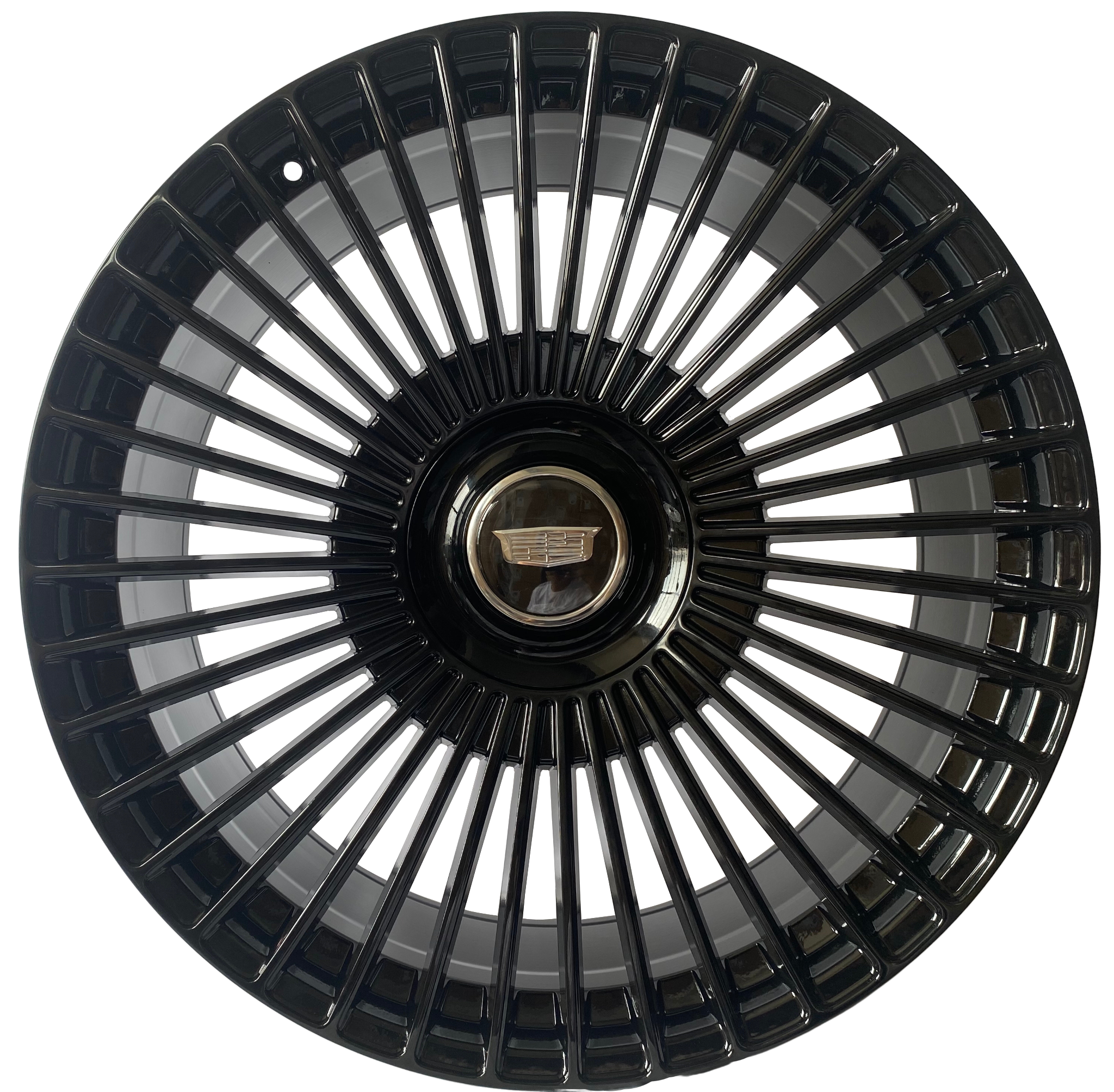
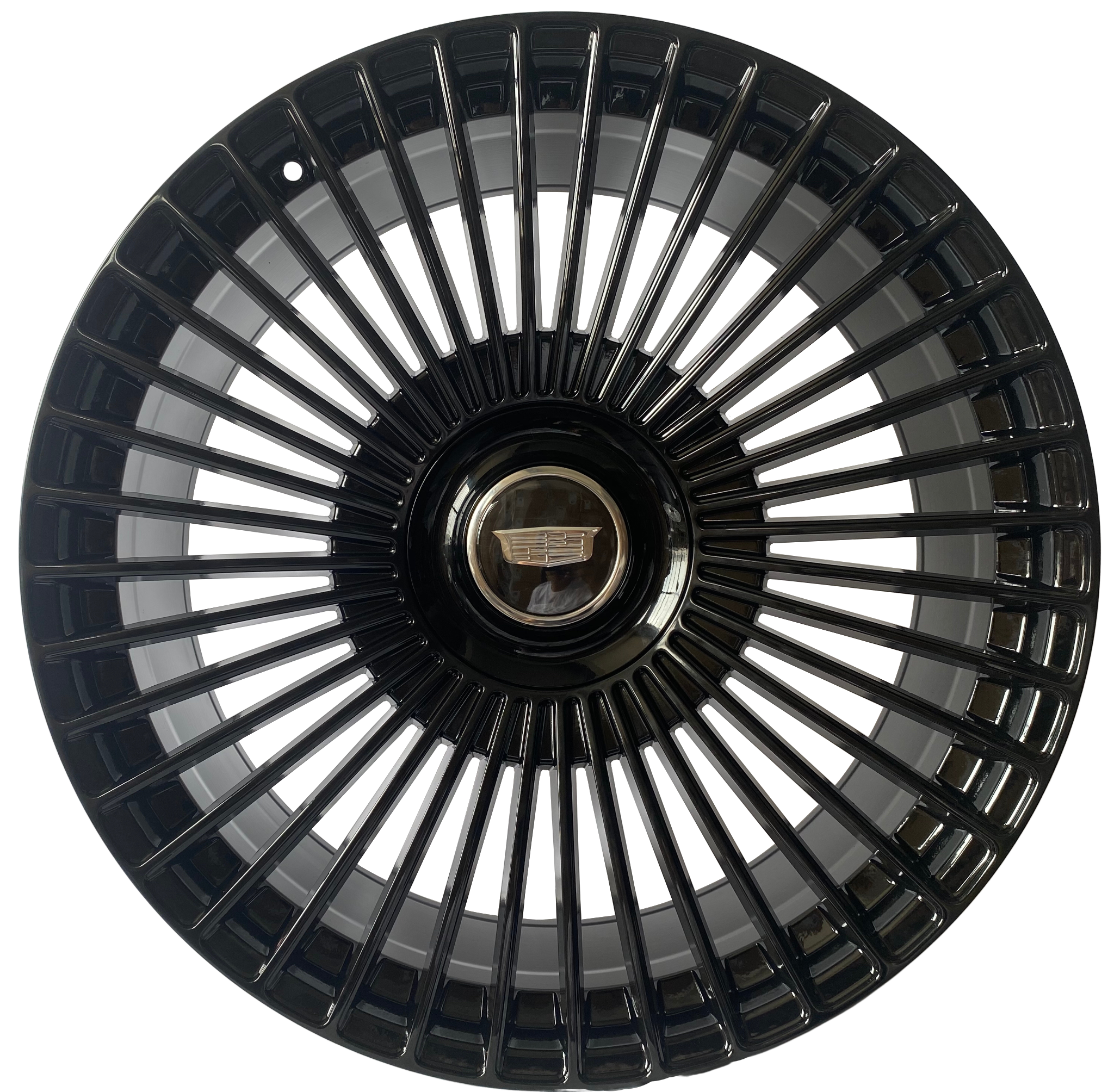


What if the most striking wheel upgrade is the one that doesn’t announce itself first? The best understated luxury forged wheel designs sharpen a vehicle’s presence through proportion, spoke geometry, and finish rather than visual noise. But a pattern that looks refined on its own can overwhelm a car if its scale or fitment feels out of balance.
Choosing a design takes more than browsing dramatic gallery images. A luxury vehicle has a character worth preserving, whether it’s the composed presence of a Mercedes S-Class, the distinctive profile of a Rolls-Royce Ghost, or the confident stance of a Range Rover. The right forged wheel should complement that identity, not compete with it.
This guide compares five understated design directions using the same framework: spoke shape, visual scale, finish, and fitment. You’ll learn what gives each direction its character and how to assess it in context. Then you can explore model-specific custom forged wheel solutions from ICON WHEELS, designed for luxury marques.
Key Takeaways
- Recognize the details that make understated luxury forged wheel designs distinctive without overpowering a vehicle.
- Compare five visual directions by their presence, spoke complexity, character, and harmony with the vehicle.
- Assess your vehicle’s identity and overall appearance before choosing a wheel design from an isolated image.
- Use a consistent selection process to weigh visual scale, finish, and fitment together.
- Explore how ICON WHEELS’ custom forged wheel options for luxury marques can complement your vehicle’s character.
What Makes Understated Luxury Forged Wheel Designs Feel Right?
Understated luxury is deliberate visual restraint, not a lack of individuality. In understated luxury forged wheel designs, the appeal comes from considered geometry, balanced proportions, and details that reward a closer look rather than demand attention from across the street. The wheel feels distinctive while remaining in harmony with the vehicle around it.
“A restrained wheel design expresses individuality through proportion and detail while preserving the vehicle’s character.”
Refined and aggressive designs serve different tastes. A bold, angular pattern with strong contrast can make a vehicle feel more assertive. A cleaner arrangement and quieter finish can create a composed impression. Neither is inherently better. The right choice depends on the character you want to emphasize and how the wheel relates to the vehicle’s lines.
Forged construction describes how a wheel is made, not how it must look. An alloy wheel overview offers broader context on wheel materials and manufacturing, but visual restraint is judged by design: what the eye notices first and whether each detail feels intentional.
How Proportion Shapes a Refined Wheel Design
Wheel scale changes how the whole vehicle reads. A larger-looking wheel can give a vehicle a more assertive presence, while a more modest visual scale may preserve a smooth, elegant profile. The goal is not simply to choose the most noticeable size. Consider how the wheel, tire, bodywork, and overall stance work together. A useful check is to view the wheel on the complete vehicle, rather than judging its dimensions from a product image alone.
Spoke spacing also affects the overall impression. Widely spaced spokes leave more open space and can make a design feel light and uncluttered. Closely arranged or layered spokes create greater visual density, adding complexity and a stronger sense of movement. Look at the complete vehicle from the side and at an angle. A pattern that feels subtle on its own may become dominant when repeated across a large wheel face.
Why Restraint Is Not the Same as Plain Styling
Subtlety still allows for a signature. A slender spoke that gently widens toward the rim, a precise split-spoke layout, or a carefully sculpted center can bring character without visual clutter. These details create distinction through shape and craft, not excess contrast or ornament.
Generic styling, by contrast, often lacks a clear relationship between its parts. A simple pattern can feel purposeful when its spoke angles echo the vehicle’s design language; the same simplicity may feel anonymous if the lines seem unrelated. A sculpted multi-spoke design may complement a performance-led luxury car, while a more open, formal pattern may suit a vehicle with a quieter presence. Consider the body shape, trim, and intended character together. Restraint is a design choice, not a universal formula.
Five Understated Luxury Forged Wheel Design Directions to Compare
These five directions are ways to compare visual character, not fixed formulas or named product collections. Each describes an impression you can use when assessing understated luxury forged wheel designs. The same spoke pattern may feel calm on one vehicle and assertive on another, depending on its scale, finish, and relationship to the bodywork. Automotive design brings appearance and function together, as outlined in these automotive design principles. Apply that broader perspective to the wheel, not just its face.
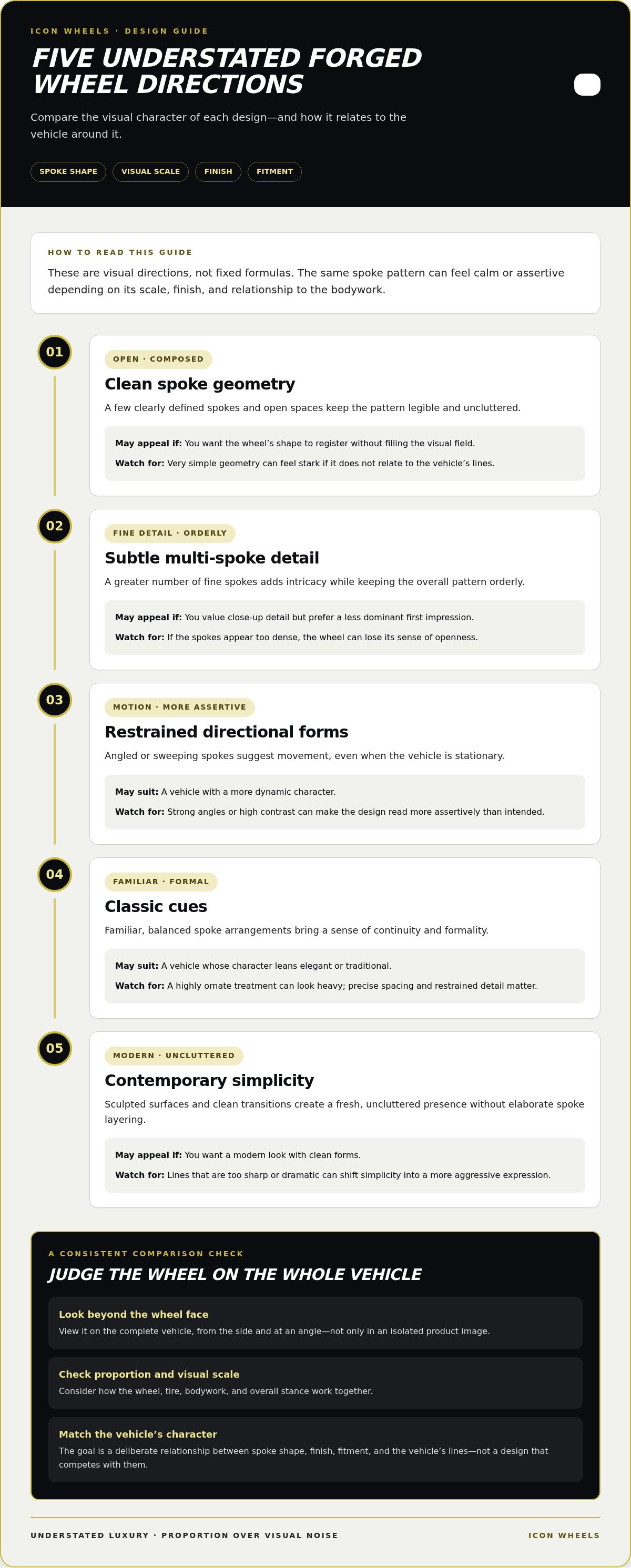
- Clean spoke geometry: A few clearly defined spokes and open spaces create a composed, legible look. This direction may appeal if you want the wheel’s shape to register without filling the entire visual field. Its trade-off is that very simple geometry can feel stark if it doesn’t relate to the vehicle’s lines.
- Subtle multi-spoke detail: A greater number of fine spokes adds intricacy while keeping the overall pattern orderly. It can suit owners who value close-up detail but prefer a less dominant first impression. If the spokes appear too dense, however, the wheel can lose its sense of openness.
- Restrained directional forms: Angled or sweeping spokes suggest motion, even when the vehicle is stationary. Their visual energy may complement a more dynamic character. Strong angles or high contrast can make the design read more assertively than intended.
- Classic cues: Familiar, balanced spoke arrangements bring a sense of continuity and formality. They may suit a vehicle whose character leans elegant or traditional. A highly ornate treatment can look heavy, so precise spacing and restrained detail matter.
- Contemporary simplicity: Sculpted surfaces and clean transitions give this direction a modern, uncluttered presence. It may appeal if you want a fresh look without elaborate spoke layering. If its lines are too sharp or dramatic, simplicity can shift into a more aggressive expression.
Clean Geometry and Quietly Detailed Spoke Patterns
Compare these directions by asking what holds your attention: the overall outline, the spaces between spokes, or the fine transitions within each spoke. Open geometry makes those spaces part of the design. Fine detailing can add sophistication when it supports the main structure rather than competing with it. For a quick comparison, describe the spoke layout, open space, and overall impression in one sentence. For example, note whether the design feels open and precise or detailed and intricate.
Classic Cues and Contemporary Direction
Classic references favor familiarity and symmetry; directional forms introduce movement through angled lines. Either can remain visually controlled if contrast is used with care and the pattern’s scale suits the vehicle. Compare examples with consistent descriptions, such as “balanced spokes, quiet presence” and “sweeping spokes, more dynamic character.” Style labels are only a starting point. Judge the complete design on the vehicle, then explore custom forged wheel options shaped around its character.
How to Compare Understated Forged Wheel Designs Without Guesswork
Trend labels can narrow a search, but they can’t tell you whether a wheel will suit your vehicle. Compare each candidate against the same visual criteria, then consider how the pattern works with the vehicle’s proportions. Keep appearance separate from construction: the forged wheel manufacturing process explains how a wheel is made, while the criteria below help you judge how its design will read.
“Compare the design you see, not the trend name: weigh visual presence, spoke complexity, character, and harmony with the vehicle.”
Which Visual Criteria Matter Most?
Start with spoke density and negative space. Notice how much of the wheel face feels open versus filled, then decide whether the spokes create a light, intricate, or solid impression. Next, follow the lines outward: do their angles echo the vehicle’s bodywork, or draw attention away from it? These are styling judgments. Fitment measurements, by contrast, are technical requirements, not matters of taste.
| Visual direction | Visual presence | Spoke complexity | Character | Vehicle harmony |
|---|---|---|---|---|
| Clean geometry | Open and composed | Low to moderate | Precise, restrained | May suit uncluttered vehicle lines |
| Subtle multi-spoke | Fine, detailed presence | Moderate to high | Intricate, polished | Can complement formal or detailed styling |
| Directional forms | More active and flowing | Moderate | Dynamic, contemporary | May echo sweeping body lines |
| Classic cues | Balanced and familiar | Low to moderate | Timeless, composed | Can reinforce an elegant design language |
| Contemporary simplicity | Clean with a modern edge | Low to moderate | Fresh, sculptural | May suit a more modern overall character |
Use the table to identify likely visual relationships, not to declare a universal winner. A Rolls-Royce Ghost and a Lamborghini express different design characters, so a pattern that feels balanced on one may seem too quiet or too assertive on the other. Compare images at similar angles and viewing distances where possible. Then ask whether the wheel’s apparent weight and spoke lines support the vehicle or compete with it.
How Finish Changes the Design’s Presence
Finish can alter how clearly spoke edges and sculpted surfaces catch the eye. A low-contrast appearance may let geometry recede; a more reflective or contrasting treatment can make the same shapes more prominent. Assess finish and spoke design together, since neither tells the whole story alone. Then consider fitment separately: the right look still depends on suitable vehicle-specific measurements.
When comparing understated luxury forged wheel designs, let personal taste guide the impression and the vehicle’s proportions determine whether that impression feels integrated. A consistent comparison makes the choice clearer than relying on whichever style label happens to be in fashion.
Matching Restrained Forged Wheel Designs to Your Vehicle
A refined wheel choice starts with the vehicle, not a striking image. Review the complete silhouette, trim, and stance first. That context helps you decide whether a wheel should reinforce a formal, contemporary, athletic, or imposing character. Use this process to turn a visual preference into a considered direction for understated luxury forged wheel designs.
Start With the Vehicle’s Character and Proportions
Model identity offers a useful starting point. A Rolls-Royce often calls for a different visual balance than a Mercedes, while a Range Rover’s upright, substantial profile may support a more confident wheel presence. These are not fixed rules. They’re prompts to ask what the design should preserve and what it should emphasize. Compare the vehicle’s existing design language before narrowing in on individual wheel patterns.
Assess the whole vehicle from the side and at an angle. Notice the relationship between the wheel, tire, body height, and fender shape. A close-up can make a pattern appear more delicate or dramatic than it feels on the car. Step back and ask whether the design looks integrated with the vehicle’s overall proportions.
Turn the Preferred Look Into a Clear Design Brief
Once you understand the vehicle’s character, describe the effect you want in plain visual terms. A concise brief helps distinguish what you like from what a trend label suggests.
- Set the intended character. Choose words such as composed, modern, athletic, or stately. Identify which qualities should remain central to the vehicle.
- Describe visual presence. Decide whether the wheel should recede into the overall look or become a measured focal point.
- Choose spoke complexity. Note whether you prefer open geometry, fine detail, or a more layered appearance.
- Define contrast. Explain whether you want the wheel to blend with the vehicle or create a subtle distinction.
- Gather useful references. Select images showing the complete vehicle from the side and at an angle, with views that make the wheel’s scale and spoke layout easy to judge.
Keep visual preference separate from technical fitment. The style brief describes appearance; fitment depends on vehicle-specific specifications, which can include bolt pattern, offset, and load rating. Don’t infer compatibility from a photo or another vehicle that looks similar. Those measurements are not aesthetic choices, and this guide doesn’t assign dimensions to any model.
“Choose for visual harmony and verify correct fitment as two separate checks.” This distinction keeps a compelling design from being mistaken for a suitable fit. Use your brief to focus the design direction, then explore custom forged wheels for your vehicle to refine its existing character.
Explore ICON WHEELS Custom Forged Wheels for a More Considered Finish
With the visual criteria in place, the next step is to connect them to a vehicle-specific direction. ICON WHEELS offers custom-built forged wheels for luxury vehicles from Mercedes, Rolls-Royce, Land Rover, Porsche, Bentley, Cadillac, and Lamborghini. The goal is to refine the vehicle’s existing character through considered design choices, not apply one look across every marque.
Model-Specific Options for Luxury Vehicles
Vehicle identity matters because a wheel becomes part of the complete design. The formal presence of a Rolls-Royce Cullinan, Ghost, or Wraith calls for a different design conversation than the profile of a Mercedes S-Class or Range Rover. ICON WHEELS offers wheel options for these models, with custom forged solutions for luxury marques. For readers weighing factory styling against personalization, the Rolls-Royce OEM versus custom forged guide offers another lens for comparing approaches.
Start with what should remain unmistakably yours about the vehicle. Does its current design feel stately, contemporary, athletic, or imposing? A restrained choice might preserve that quality with cleaner geometry or introduce measured contrast through spoke detail. The right direction depends on the particular vehicle and the impression you want to create. A style that complements one model shouldn’t be assumed to suit every other model in the same marque.
Move From Design Inspiration to a Custom Wheel Direction
Turn your preferences into a concise visual brief before exploring options. Describe the design’s presence, the level of spoke complexity, and how much contrast you want against the vehicle. Pair those notes with full-vehicle reference images, ideally including a side view and an angled view. These show how the wheel relates to the body rather than presenting its face in isolation.
Then keep the design brief distinct from fitment details. Visual choices guide the appearance; vehicle-specific specifications guide technical compatibility. A custom forged wheel direction should bring both considerations into the selection process without confusing personal taste with required measurements.
There’s no single formula for understated luxury forged wheel designs. Restraint comes from how proportion, detail, and contrast work together for a particular vehicle. A finely detailed pattern may feel quiet on one model, while a cleaner design may better preserve the character of another. Choose with intention, and let the finished direction feel integrated rather than imposed.
Explore custom forged wheels and shape a considered direction for your luxury vehicle.
Make Your Next Wheel Choice Intentional
The strongest design choice is one that feels as though it belongs to your vehicle. Before moving forward, define the impression you want to create: composed, contemporary, athletic, or quietly distinctive. Then use that direction to focus your search and judge each option against the vehicle’s proportions, rather than choosing by trend alone.
That clarity makes understated luxury forged wheel designs more personal. Restraint doesn’t mean settling for a generic look. It means selecting details with purpose and creating a finish that complements the character you already value in your vehicle.
ICON WHEELS offers custom forged wheel options for luxury vehicles, giving you a considered path from design inspiration to a more tailored look. Bring your preferred visual direction into your next step, and explore the possibilities with confidence.
Explore custom forged wheels and move closer to a finish that feels distinctly yours.
Frequently Asked Questions
What are understated luxury forged wheel designs?
They’re forged wheels whose appearance feels composed and integrated rather than visually dominant. “Forged” refers to the wheel’s manufacturing method; “understated” describes its visual character. To judge a design, view it on a complete vehicle image and compare its spoke pattern with the body lines. For example, a wheel that looks intricate in a close-up may appear balanced from a normal viewing distance. Your sense of refinement remains personal.
Are forged wheels a good choice for a luxury car?
They can be suitable, but the right wheel depends on the specific vehicle, its intended use, technical fitment, and your styling priorities. Forged construction alone doesn’t determine whether a wheel is appropriate or how it will look. Begin by identifying your vehicle’s requirements and desired visual effect, then compare options with those in mind. ICON WHEELS offers custom forged wheels for luxury vehicles, including model-specific applications.
Can custom forged wheels look understated rather than aggressive?
Yes. Customization can focus on a composed appearance instead of a dramatic one. For instance, you might prefer a restrained spoke layout and subtle visual contrast over angular forms that draw immediate attention. Review images showing the wheel fitted to a complete vehicle, not only a product close-up. The same design can seem quieter or bolder depending on the car’s proportions, surrounding details, and your own taste.
How do I choose a forged wheel design that suits my car?
Start with the impression you want your car to convey, then shortlist designs that support it. Compare spoke spacing, visual density, and how the wheel’s lines relate to the vehicle’s body. Keep that design decision separate from fitment: compatibility depends on vehicle-specific specifications, not appearance. For a practical comparison, note what you like about each candidate, such as its open layout or more detailed face, before narrowing your choices.
Do understated forged wheel designs come in different styles?
Yes. A restrained look can come from clean, open geometry, finely detailed spokes, classic references, or contemporary forms. None of these categories automatically guarantees an understated result. A complex pattern may still look composed if its details feel balanced, while a simple design may seem conspicuous when its proportions or contrast stand out. Compare the complete wheel design in context instead of relying on a style label.
Will a subtle wheel design change how my luxury car looks?
Yes. Even a restrained wheel can shift the vehicle’s overall impression by changing the visual balance between its body and wheels. A finely spaced pattern may create a more intricate look, while a more open face can appear calmer. Before deciding, compare the candidate against images of your car from similar angles and viewing distances. This makes it easier to notice whether the design complements the vehicle or redirects attention.
Are understated forged wheel designs suitable for SUVs as well as sedans?
They can suit either, but the vehicle’s body shape affects how the design reads. An SUV’s taller, more substantial profile may make a wheel appear less prominent than the same design on a lower sedan. Compare examples in the same vehicle category and assess the full side profile, not just the wheel face. ICON WHEELS offers custom forged wheel options across luxury vehicle categories, including SUVs and sedans.
