
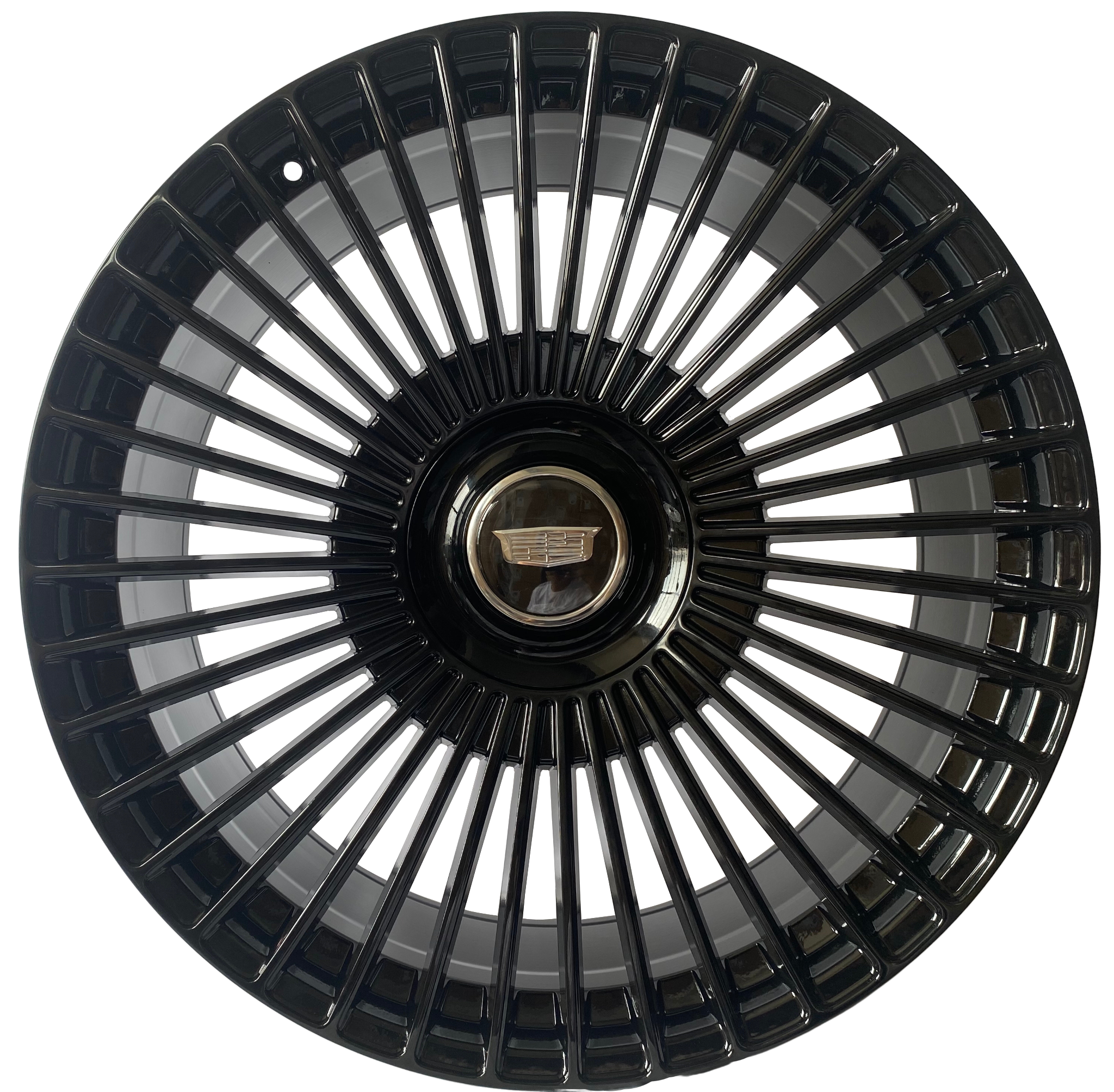
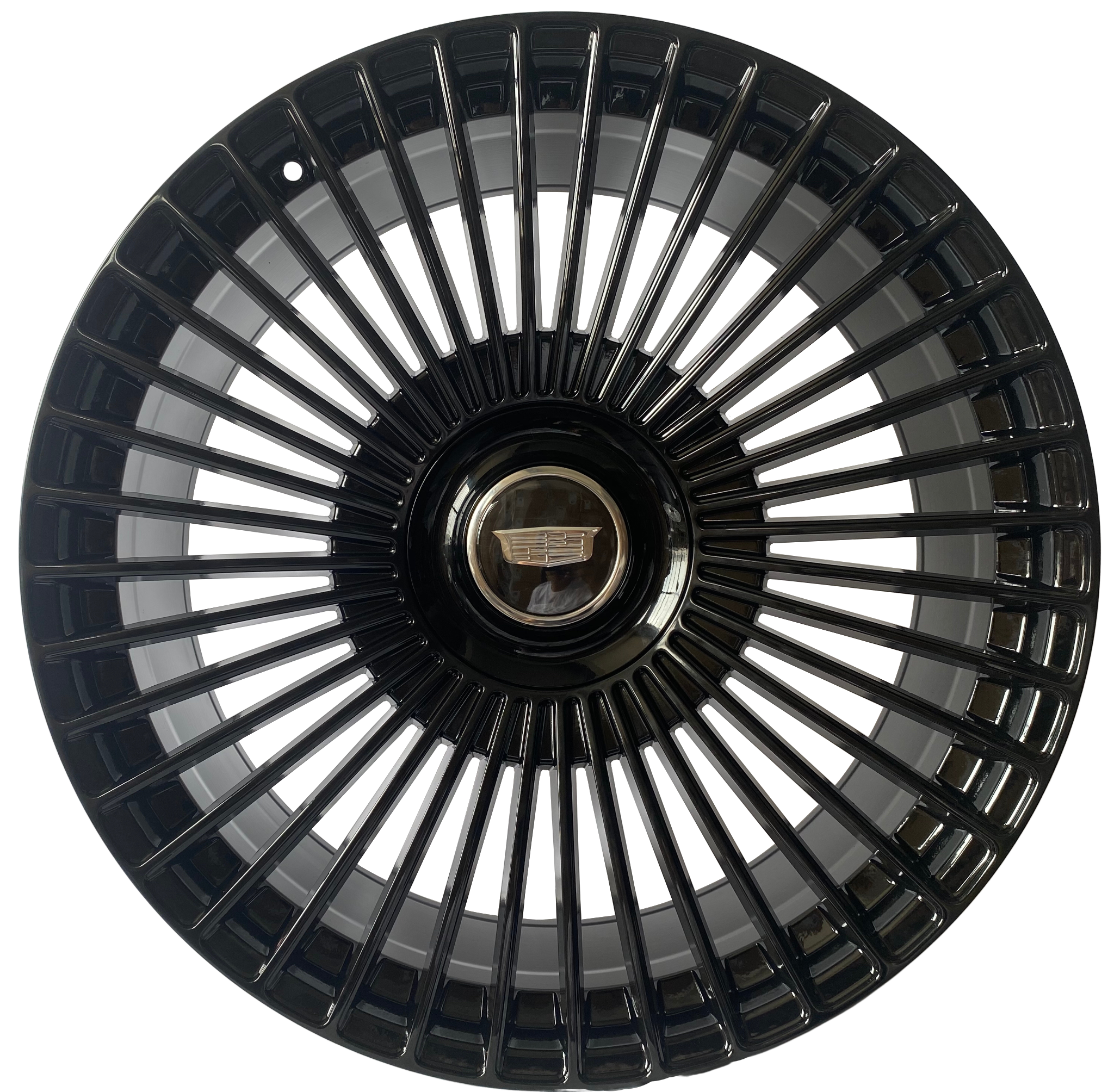


A 22-inch diameter can make a striking statement, but it doesn’t determine whether a wheel suits your vehicle. Choosing custom 22 inch forged wheels starts with vehicle-specific fitment, not appearance alone.
You may already know the look you want: a distinctive spoke pattern, a refined finish, or a stronger stance. The challenge is making those choices work with your vehicle. Wheel width, offset, bolt pattern, and clearance all shape the fit, while a larger diameter can change tire options and ride feel.
This guide explains the specifications to compare, how construction and design affect your choice, and what to include in a fitment brief. Use these steps to weigh the visual impact of a 22-inch setup against the requirements of your exact vehicle.
Key Takeaways
- A 22-inch diameter alone doesn’t determine whether a wheel suits your vehicle. Fitment depends on vehicle geometry, wheel specifications, and tire choice.
- Understand bolt pattern, center bore, width, offset, and load requirements before narrowing your options.
- Compare one-piece and multi-piece construction as different design approaches, then choose based on your priorities and the specific wheel.
- Start your custom 22 inch forged wheels search with your vehicle’s exact year, make, and model, along with your current wheel and tire specifications.
- ICON WHEELS offers custom forged wheels for luxury brands, with vehicle-specific fitment considerations as part of the selection process.
Why Choose Custom 22 Inch Forged Wheels for a Luxury Vehicle?
A more commanding stance can give a luxury vehicle a sharper, more personal presence. A larger wheel draws attention to the vehicle’s profile and can make a carefully chosen design feel like part of its character. But diameter is only one decision. A 22-inch wheel isn’t automatically right for every model, driving routine, or preferred ride feel.
For custom 22 inch forged wheels, balance the look you want with the vehicle’s requirements. A wheel may look striking on its own but feel out of place if its proportions, tire pairing, or position don’t suit the car. Start with appearance, then assess how the complete wheel-and-tire setup works with the vehicle.
What 22 inches can change about a vehicle’s appearance
Wheel diameter changes the visual relationship between the wheel and the surrounding bodywork. A larger wheel can fill more of the wheel opening and create a more assertive look. The result depends on the vehicle’s proportions: a design that complements a broad, sculpted body may look different on a model with clean, understated lines.
Spoke shape, finish, and visual mass matter too. Open spokes can make a wheel appear lighter, while a denser pattern can create a more substantial look. Consider the vehicle’s body lines and overall presence. The strongest choice feels intentional, not simply larger.
Which trade-offs should buyers consider?
A larger wheel can affect tire selection. To keep the overall tire diameter suitable for the vehicle, a larger wheel may be paired with a tire that has less sidewall. Sidewall height can affect cushioning between the road and the wheel, so ride feel and wheel protection are worth considering. The effect depends on the vehicle, tire, and complete setup, not diameter alone.
Compatibility also matters beyond appearance. The wheel and tire must work with the vehicle’s geometry and intended use. Don’t assume a setup that suits one luxury model will suit another, even if both use 22-inch wheels. For a model-specific example of how vehicle and wheel choices come together, the forged wheels for Porsche Cayenne guide offers relevant context.
Forged construction is another part of the decision. The forging process shapes metal under compressive force, but the label alone doesn’t determine whether a finished wheel is appropriate for a particular vehicle. Fitment and design still need to align.
A vehicle-specific wheel setup is chosen around the exact vehicle, its fitment requirements, and a compatible tire, with design considered as part of the whole package. Use that as your standard: a distinctive look supported by details that suit the car.
How Custom 22 Inch Forged Wheel Fitment Works
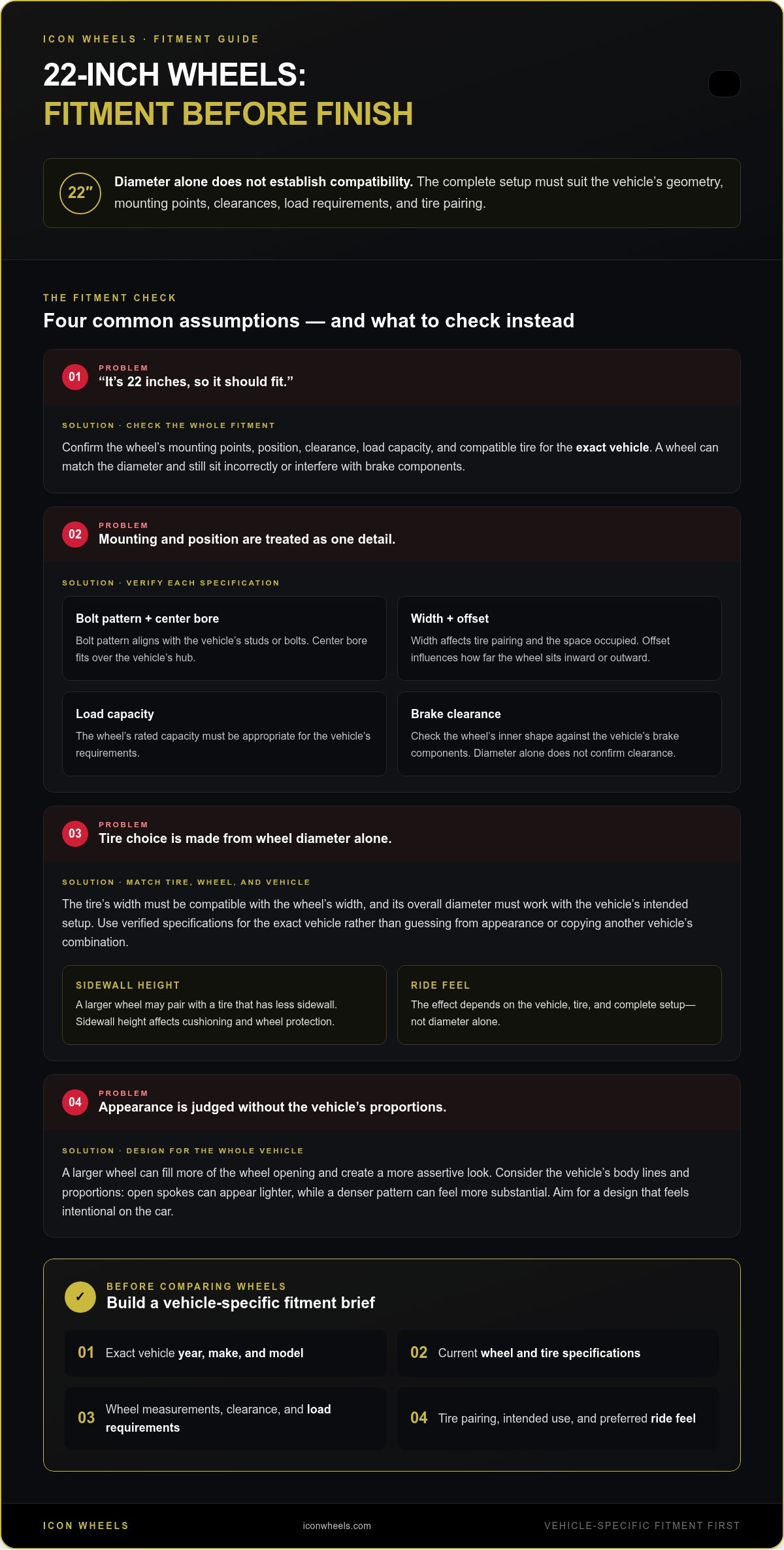
Fitment is the relationship between a wheel’s specifications, the vehicle’s geometry, and the selected tire. Each detail matters. A wheel can match the vehicle’s diameter and still sit incorrectly, interfere with brake components, or pair poorly with the intended tire. Evaluate custom 22 inch forged wheels as a complete setup for the exact vehicle and intended use.
Diameter alone cannot establish wheel compatibility. The complete fitment must align with the vehicle’s mounting points, clearances, load requirements, and tire pairing.
Which wheel measurements determine fitment?
Start with the measurements that govern mounting and position. Bolt pattern describes how the wheel’s mounting holes align with the vehicle’s studs or bolts. Center bore is the opening at the back of the wheel that fits over the vehicle’s hub. Both must suit the vehicle. Width and offset help determine where the wheel sits in relation to the suspension and bodywork.
- Width: The distance across the wheel between its bead seats. It affects tire pairing and the space the wheel occupies.
- Offset: The position of the wheel’s mounting surface relative to its centerline. It influences how far the wheel sits inward or outward.
- Load capacity: The wheel’s rated capacity must be appropriate for the vehicle’s requirements.
- Brake clearance: The wheel’s inner shape must clear the vehicle’s brake components. Diameter alone doesn’t establish this clearance.
These specifications work together. Changing width or offset can alter the wheel’s position, even when the bolt pattern and center bore are correct. Forged construction describes how a wheel is made, not whether its dimensions suit a particular vehicle. Hagerty’s overview of the Manufacturing of forged wheels provides background on the process. Vehicle-specific fitment remains a separate consideration.
Why does tire pairing matter with a 22-inch wheel?
The tire must suit both the wheel and the vehicle. Its width needs to be compatible with the wheel’s width, and its overall diameter must work with the vehicle’s intended setup. A 22-inch wheel doesn’t identify a suitable tire size by itself. Avoid choosing by diameter alone or assuming another vehicle’s combination will transfer directly.
Sidewall height also shapes the result. A shorter sidewall changes the visual balance between tire and wheel and leaves less tire material between the rim and road impacts. The ride effect depends on the vehicle, tire, and complete setup. Use verified specifications for the exact vehicle rather than guessing a size based on appearance.
For a considered match, bring together the vehicle’s exact details and the wheel and tire specifications you’re comparing. Explore custom forged wheel options with fitment as central as design.
Forged Construction and Design Choices for 22 Inch Wheels
Construction and styling shape how a 22-inch wheel expresses a vehicle’s character. The term forged doesn’t specify a wheel’s design, finish, or construction format. Treat these as separate choices: decide what visual direction suits the vehicle, then compare the construction approaches and specifications of the wheels you’re considering.
For custom 22 inch forged wheels, look for a combination of structure, proportions, and surface appearance that works with the vehicle. Neither a one-piece nor a multi-piece design is automatically better. The right direction depends on the look you want and the specific wheel.
One-piece or multi-piece: which design direction fits?
A one-piece wheel is formed as a single complete unit. A multi-piece wheel is assembled from separate components. The distinction can influence design possibilities, including how the center and outer sections are shaped and presented. It isn’t a universal performance ranking: construction alone doesn’t tell you whether a particular wheel suits your vehicle.
Think about your design priorities. A one-piece approach can create a unified, continuous appearance; a multi-piece approach can give the design a more visibly layered character. Compare the formats by their appearance and the specifications of the individual wheel. In either case, assess fitment rather than relying on the construction label.
How should design and finish work together?
Start with the vehicle’s visual character. Broad, clean body lines may call for a spoke layout with similar clarity, while a more intricate design can add detail to a vehicle with an expressive profile. Consider spoke shape, spacing, and visual weight together. The aim is balance: a wheel that feels tailored to the vehicle, not disconnected from it.
Surface appearance completes that decision. A polished or machined look can emphasize the wheel’s contours, while darker or softer finishes can create a more restrained impression. These describe finish choices, not construction types. Compare finish choices for the specific wheel alongside its design and fitment.
Follow care guidance suited to the selected wheel finish. Consider the vehicle’s exterior, intended design character, and preferred level of visual contrast as you compare options.
Separate what’s inherent to the category from what belongs to a specific wheel. Forged construction identifies a manufacturing approach. One-piece or multi-piece describes the wheel’s construction format. Spoke layout and finish define its visual expression. Judge each wheel by its own specifications and complete design.
A Practical Checklist for Selecting Custom 22 Inch Forged Wheels
A disciplined selection process keeps the design exciting and the fitment grounded in your vehicle’s needs. Before comparing spoke patterns or finishes, assemble a clear specification brief. This separates technical requirements from personal preferences, so a compelling look doesn’t distract from the details that determine compatibility.
Build a vehicle-specific specification brief
Work through this checklist in order. Use reliable, vehicle-specific documentation for fitment details, and mark anything you haven’t verified rather than treating an estimate as a confirmed measurement.
- Record the exact vehicle year, make, and model. Include the trim or variant when relevant, since specifications can differ across versions of the same model.
- Gather your current wheel and tire details. Record the existing wheel diameter and width, offset if available, and tire size. These provide a useful reference, not automatic approval for a new setup.
- Identify required mounting specifications. Note the bolt pattern and center bore from dependable vehicle documentation. Both affect whether the wheel aligns and mounts correctly.
- List clearance and load considerations. Account for space around the brakes, suspension, and bodywork, along with the vehicle’s wheel load requirements. Keep these technical requirements separate from styling preferences.
- Mark unverified details. Flag measurements or compatibility assumptions that still need confirmation against authoritative information for the exact vehicle and intended setup.
- Write down your design priorities. Note preferred spoke character, construction approach, finish, and stance. Rank these after recording the essential fitment requirements.
Compare candidate designs against your priorities
Use the same vehicle specification brief to assess every option. This makes the comparison consistent. A wheel that looks ideal in a photograph may have different dimensions or clearance needs from another design, even if both share the same diameter. Don’t judge compatibility by appearance or by fitment for a different model.
Rank your priorities before choosing. Put verified fitment first, then weigh visual character, construction, and finish against your intended use. Consider whether the stance complements the vehicle’s proportions and whether the design feels coherent with its exterior. If you’re considering a Range Rover, the published 22-inch Range Rover wheel guide provides a model-specific example of evaluating a large-diameter choice in context.
This process gives you a sharper brief for comparing custom 22 inch forged wheels: exact vehicle identity, documented specifications, clearly separated requirements, and a design direction. Keep those details together as you narrow your options.
Explore custom forged wheels with ICON WHEELS and use your vehicle-specific brief to guide your selection.
Explore Custom 22 Inch Forged Wheels with ICON WHEELS
A distinctive wheel setup should feel designed for the vehicle, not simply added to it. ICON WHEELS specializes in custom-built forged wheels engineered for luxury vehicles. Start with vehicle-specific fitment requirements, then refine the visual details around them.
A luxury-vehicle focus, tailored to the fitment
ICON WHEELS offers forged wheel options for Mercedes, Rolls-Royce, Land Rover, Porsche, Bentley, Cadillac, and Lamborghini. Its model-specific offerings include wheels for vehicles such as the Rolls-Royce Cullinan, Ghost, and Wraith, Range Rover, and Mercedes S-Class. Each vehicle has its own proportions and fitment requirements, so begin with the exact model rather than a general idea of what suits a luxury car.
That distinction matters for 22-inch choices. Diameter is one part of the specification, not a substitute for considering the complete setup. The wheel’s fitment, the vehicle’s requirements, and the desired design need to work together. A bold spoke pattern or distinctive finish can express personal style, but consider it in the context of the particular vehicle.
ICON WHEELS’ focus on luxury brands gives buyers a relevant starting point for bringing individual design preferences into a vehicle-specific wheel choice. Establish what the vehicle requires, then choose a visual character that complements it.
Take the next step toward your custom setup
Before exploring options, bring together a concise brief. Include:
- The vehicle’s exact year, make, model, and relevant trim.
- Existing wheel and tire specifications, including documented measurements.
- Fitment requirements, such as mounting details, clearance, and load considerations.
- Your priorities for stance, spoke design, construction approach, and finish.
Separate established vehicle requirements from preferences. Mark measurements that still need to be verified through reliable, vehicle-specific documentation. This makes it easier to compare designs consistently and keep the final direction grounded in the vehicle, not appearance alone.
Then refine the design. Consider whether the wheel’s proportions complement the vehicle’s lines, whether the finish suits its exterior, and whether the overall look reflects your intent. With custom 22 inch forged wheels, a confident result comes from combining individuality with a precise fitment brief.
Bring your vehicle details and design priorities together, then Explore custom forged wheels from ICON WHEELS.
Shape a Wheel Setup That Feels Entirely Yours
Turn your preferred look into a clear direction for your vehicle. Decide what character you want the wheels to bring, then ground that vision in the exact model and its requirements. A thoughtful brief helps custom 22 inch forged wheels feel like a considered part of the vehicle, not a choice made for diameter alone.
ICON WHEELS specializes in custom forged wheels for luxury vehicles, with model-specific applications that include Rolls-Royce, Range Rover, and Mercedes. Its vehicle-focused wheel offerings provide a starting point for shaping a setup around fitment and personal style.
Bring your vehicle details and design priorities together. Explore the possibilities, refine your direction, and choose a look that complements the vehicle. Explore custom forged wheels from ICON WHEELS.
Frequently Asked Questions
How much do custom 22 inch forged wheels cost?
The cost of custom 22 inch forged wheels depends on the project’s specifications, including vehicle fitment, construction, design complexity, finish, and other order details. For a meaningful comparison, match options by vehicle application and equivalent specifications. A different finish or construction approach can change what’s included, so don’t compare choices by diameter or appearance alone. Focus on like-for-like configurations to understand how the options differ.
Can I use my existing tires with 22 inch forged wheels?
Possibly, but only if your tires’ diameter, width, and condition suit the selected wheels and your vehicle. Read the tire sidewall to identify its size, then compare that information with verified fitment requirements for the specific setup. A tire that suits your current wheels may not suit a different wheel, even if both wheels have the same diameter. Don’t assume you can reuse a tire without checking compatibility.
Are 22-inch forged wheels compatible with factory TPMS sensors?
Compatibility depends on your vehicle’s tire pressure monitoring system and the configuration of the selected wheel. The 22-inch diameter alone doesn’t establish whether an existing sensor can transfer or function as intended. Include the vehicle’s TPMS requirements when comparing complete wheel setups. If your vehicle displays a warning after a wheel change, don’t assume it’s a routine reset; have the system and sensor fit assessed appropriately.
How should I care for custom forged wheels?
Follow care guidance suited to the specific wheel finish, and choose cleaning products labeled as appropriate for that surface. Avoid abrasive tools and harsh cleaners unless the manufacturer’s instructions explicitly permit them. Rinse away loose dirt before cleaning to reduce the chance of rubbing grit across the finish, then dry the surface with a clean, soft cloth. For unusual marks or visible damage, seek an appropriate inspection rather than using aggressive cleaning methods.
Can forged wheels be repaired if they are damaged?
Repairability depends on the damage’s type, location, and severity, as well as the wheel’s construction and condition. A visible crack, deformation, or impact mark shouldn’t be dismissed because the tire still holds air or the wheel appears usable. Don’t assume a repair is suitable without a qualified assessment. Have the wheel inspected before returning it to service, especially after a significant impact.
Will 22-inch wheels fit every luxury vehicle?
No. A 22-inch diameter doesn’t make a wheel universally compatible with luxury vehicles. Fitment depends on model-specific requirements such as bolt pattern, width, offset, center bore, brake clearance, and load capacity. Year, trim, and vehicle configuration can also matter, so a setup that suits one model may not suit another. Use verified fitment data for the exact vehicle and configuration, not the wheel’s diameter as proof of fit.
