
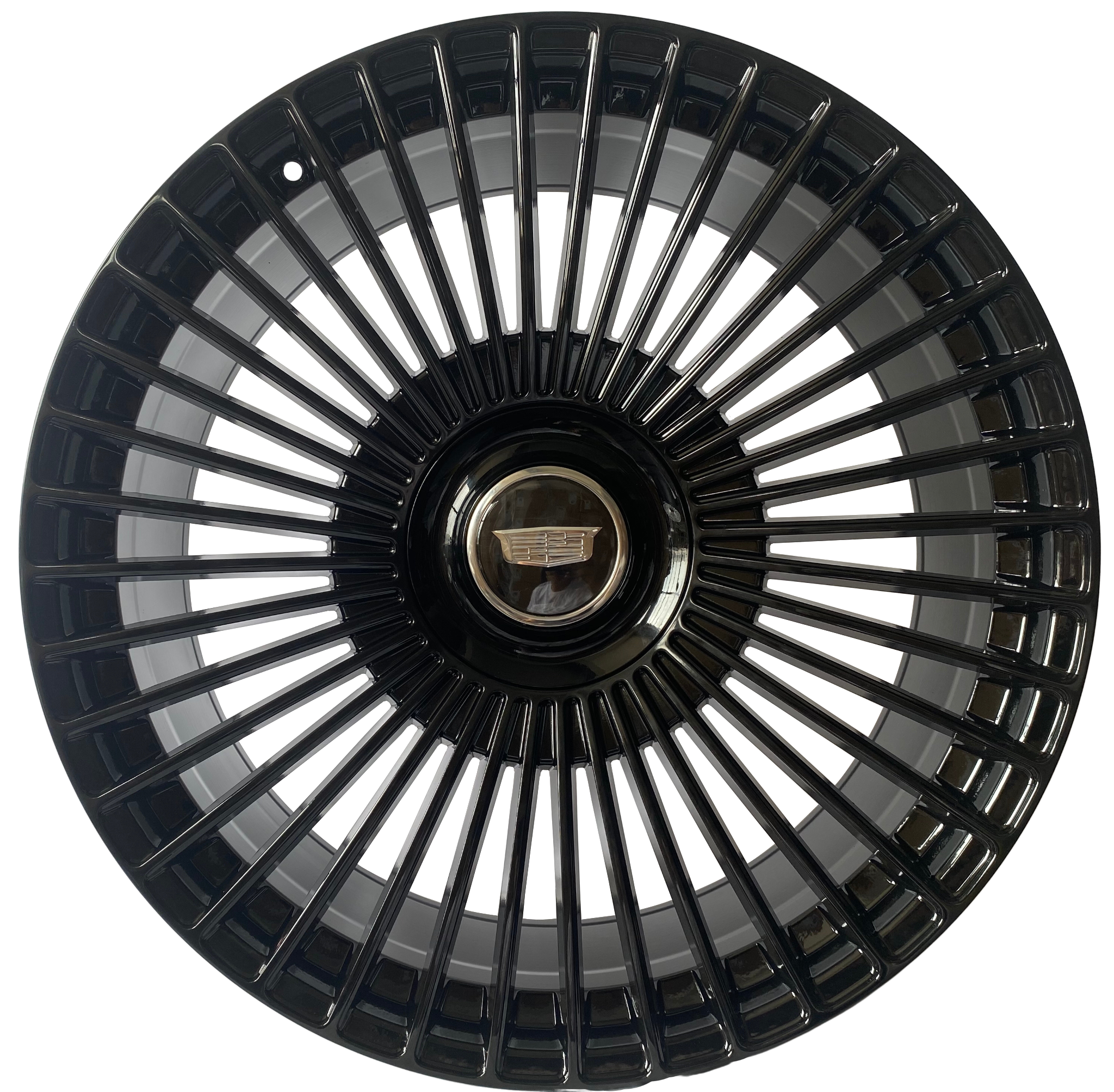
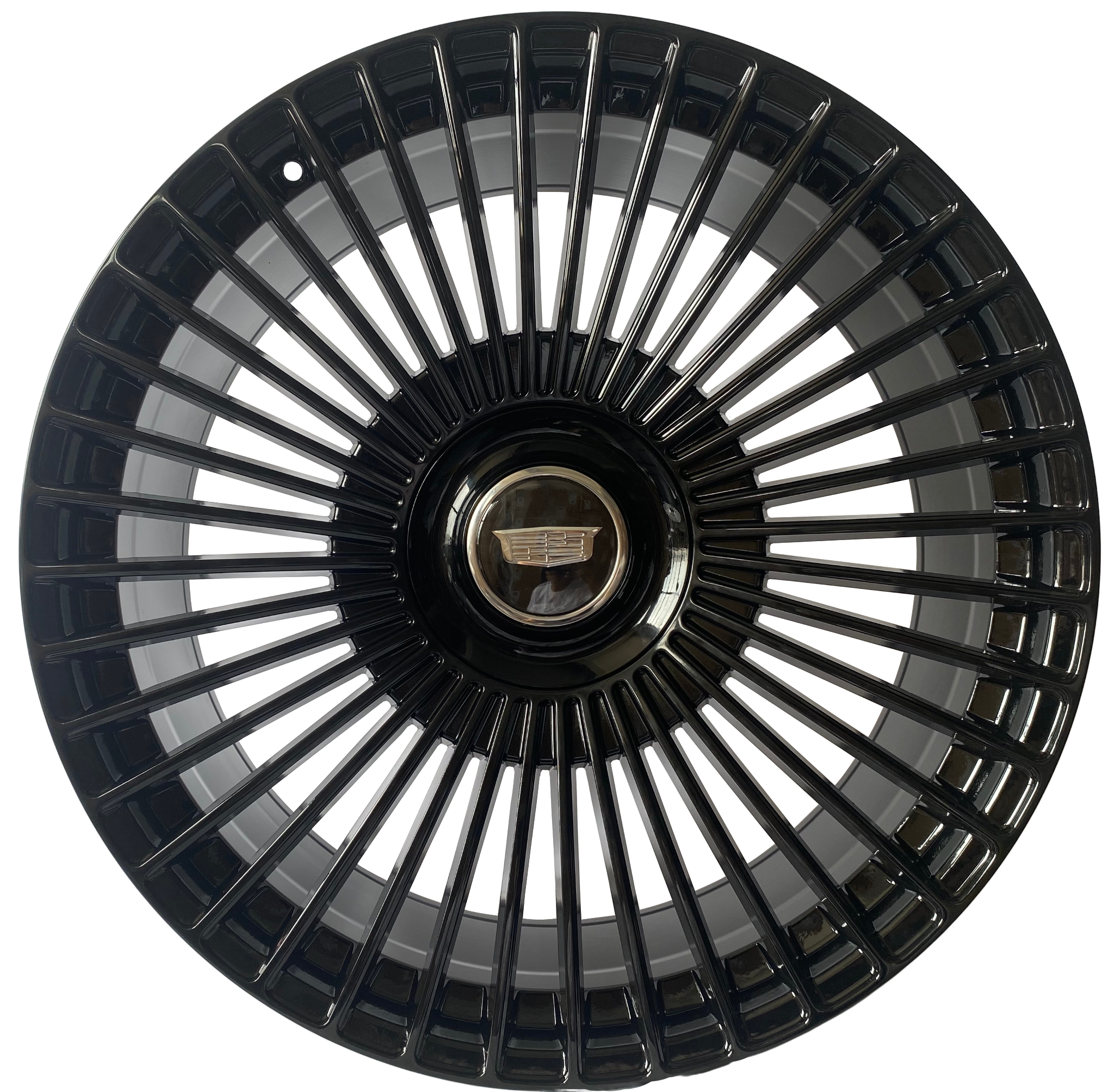


Wheel locks are worth it for expensive rims when you want an added obstacle, not a guarantee against theft. They replace one lug nut on each wheel with a fastener that needs a matching key, making removal less convenient for opportunistic thieves. A thief may have to spend an extra 15 minutes wrestling with a wheel lock, but someone determined to take the wheels may still find a way.
It makes sense to want extra protection when your rims are valuable and distinctive. Wheel locks can make removal less convenient, but they are a deterrent, not a guarantee. Their effectiveness depends on the lock’s design, construction, fit, and the thief’s intent.
This guide explains how wheel locks work, which features to consider, and what they can realistically deter. You’ll be better equipped to decide whether they make sense for your wheels and parking situation.
Key Takeaways
- Match a wheel lock to your vehicle’s lug-seat design, thread size, and wheel clearance so it fits securely without interfering with the rim.
- Think of locks as a way to add effort and inconvenience for opportunistic thieves, not as a standalone guarantee of protection.
- Compare keyed and concentric-ring designs by how their keys engage the lock and how difficult the pattern may be to defeat.
- Look beyond the key pattern: material strength and precise fit both influence how well a lock resists forced removal.
How Wheel Locks Work?
Wheel locks replace one standard lug nut on each wheel with a fastener that requires a matching key. Whether they’re worth it for expensive rims depends on the extra obstacle they create and the risks where you park. They can discourage opportunistic theft, but they cannot guarantee your wheels will not be stolen.
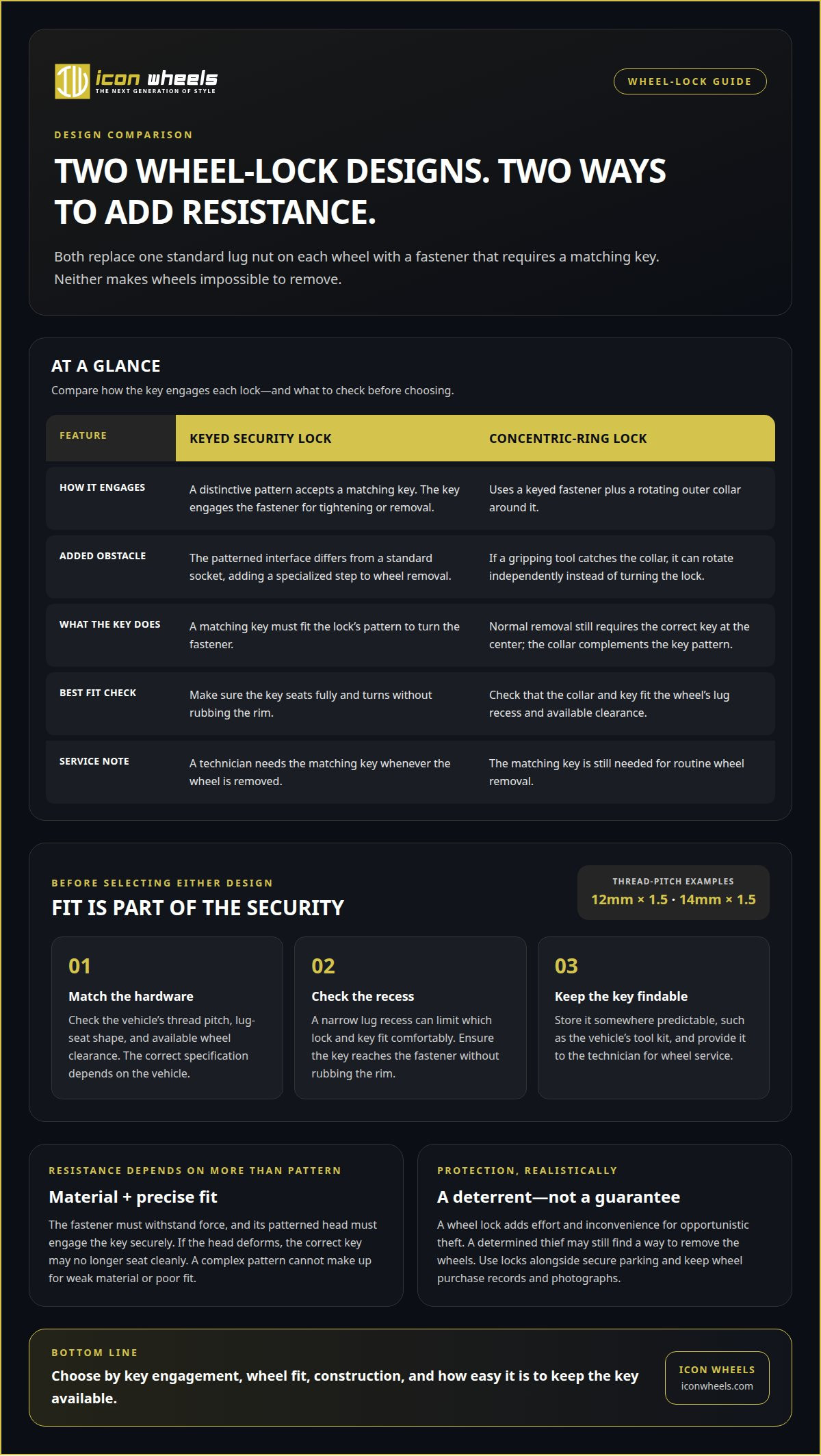
Fit comes first. Match the lock to the vehicle’s thread pitch, seat shape, and available clearance. Examples of thread pitch include 12mm x 1.5 and 14mm x 1.5, but the correct specification depends on the vehicle. A mismatched seat or thread can prevent proper clamping. Check that the key reaches the fastener without rubbing the rim, and store it where you can find it during service.
In the United States, wheel locks are generally an optional deterrent, not a universal legal requirement. To decide whether they’re worth it for expensive rims, consider the wheels’ value, where the vehicle is parked, and the inconvenience of keeping track of a key.
There is no fixed time for removing a lock without its key. The tools, lock design, and access all matter. If you lose the key, look for an identifying code or ask the vehicle or lock manufacturer about a replacement. Don’t force the fastener, as this can damage the lock or wheel.
A correctly matched lock shouldn’t damage a rim during normal use. Poor fit, careless tool contact, or forced removal can mark the finish or harm threads. Tell the technician a locking fastener is installed before tire service, and provide the key. After installation, check and re-torque all lug nuts, including wheel locks, after driving 50-100 miles.
Coverage for stolen wheels and any insurance discount depend on your policy, so don’t assume a lock changes either. Combine locks with secure parking, keep purchase records, and photograph your wheels. These records can help document what was fitted if a theft occurs.
How wheel locks deter opportunistic theft
An opportunistic thief usually looks for a quick, predictable target. A wheel lock changes the task by making one lug nut different from the others. Instead of using the same socket for every fastener, the thief needs to deal with a separate key pattern. That extra step takes time and attention beside the vehicle. Wheel locks can deter less determined thieves, but may not stop someone intent on taking the wheels.
The difference matters most in exposed settings. Imagine two parked cars: one has standard lug nuts, while the other has a visible locking fastener on each wheel. The second presents an added obstacle and may look less convenient to approach. A lock can’t control a thief’s decision, but it can make a quick theft less straightforward. That’s central to judging its practical value.
Locks work by adding inconvenience, not by relying on secrecy alone. The key must match the lock, and anyone without it needs another way to remove the fastener. Each additional tool, adjustment, or pause increases the time spent at the wheel. That delay can mean more opportunity to attract attention from passersby, residents, or nearby security cameras, potentially making an easy target less appealing.
Consider where the vehicle is parked overnight. A private garage reduces exposure; a busy public lot may have more potential witnesses, but also more foot traffic. Wheel locks add a physical hurdle at each wheel, complementing the surroundings. They don’t replace sensible parking choices or protect other valuable parts of the vehicle.
Wheel locks are most relevant for a vehicle with noticeable, valuable rims parked where theft is a concern. Treat them as one layer of protection alongside secure parking and keeping records of your wheels. A keyed fastener may change which vehicle seems easiest to target, but for a determined thief it may be only one obstacle.
Keyed security locks and concentric ring locks
Keyed security locks have a distinctive pattern that accepts a matching key. The key engages the fastener so it can be tightened or removed with the appropriate tool. For example, a flower-shaped pattern requires a key with matching projections and recesses. This creates an interface that differs from a standard socket and adds a specialized step to wheel removal.
Concentric-ring locks add a rotating outer collar around the fastener. If a gripping tool catches the collar, it can rotate independently instead of turning the lock, making the outer surface harder to grip directly. Normal removal still requires the correct key at the center, so the collar complements the key pattern rather than replacing it.
Compare the designs by how they balance access and resistance. A keyed lock relies mainly on the shape of its key interface. A concentric-ring version combines that interface with a collar designed to spin. Neither is a universal fit: the lock must match the wheel fastener’s thread, seat, and available recess, or installation and tool access may be difficult.
Before choosing, check the wheel’s lug recess. A narrow recess can limit which lock shape and key fit comfortably. Make sure the key seats fully and turns without rubbing the rim. Also consider routine service: a technician needs the matching key whenever a wheel is removed. Keep it somewhere predictable, such as the vehicle’s tool kit, rather than loose among household tools.
For a distinctive wheel with recessed fasteners, a concentric collar adds an obstacle to common gripping approaches. A keyed design offers a simpler setup centered on the patterned interface. In either case, consider fit, key handling, and construction together. A sophisticated key pattern can’t compensate for poor fit, and a rotating ring doesn’t make a lock impossible to remove.
Material strength and key-pattern security
A complex key pattern can slow access, but the lock’s material matters too. The fastener must withstand force during removal, and its patterned head must engage the key securely. If the head deforms, the correct key may no longer seat cleanly. If the material gives way under force, the pattern alone offers limited resistance. Consider material and key design as complementary features.
Look closely at the lock head and key interface. A clearly defined pattern should let the matching key seat fully, without wobbling or catching only at the edges. If a key rocks before turning, force can concentrate on a small contact area and wear or damage the interface. A snug, complete fit supports controlled removal during routine wheel service.
Key-pattern variety matters because a pattern that is easy to imitate provides less of a practical obstacle. A forum participant claimed a determined thief could remove wheel locks in 15 secs. That claim illustrates why no pattern should be treated as a complete barrier. Tools, access, and the lock’s construction all affect removal. The useful question is whether the lock raises the effort compared with an ordinary fastener.
Before use, inspect the key for rounded edges, cracks, or visible wear. Align it squarely with the lock and turn steadily rather than forcing a poor fit. If the key slips, stop: continuing can damage the key pattern or make the fastener difficult to remove. Keep the matching key in a consistent place, such as the vehicle’s tool kit, so wheel service doesn’t begin with a search.
For expensive rims, compare the lock’s construction, pattern definition, and compatibility with the wheel as one system. A hardened-looking surface alone doesn’t establish how the full fastener performs. Precise engagement and sound installation matter just as much. If you’re also selecting a distinctive wheel setup, explore custom wheel options with fit and finish in mind.
ICON WHEELS: Wheels For Mercedes
For Mercedes owners considering premium wheels as well as theft deterrence, ICON WHEELS offers a focused next step. Wheel locks address resistance to removal; choosing the right wheel setup is a separate decision shaped by the vehicle and the look you want.
Explore Wheels For Mercedes or Custom Built Forged Wheels if you’re refining a Mercedes build. ICON WHEELS also offers wheels for Rolls Royce and Land Rover. These options focus on luxury vehicles and distinctive wheel choices, rather than treating a lock as the only part of protecting your investment.
Consider the wheel design, vehicle application, and your priorities together before deciding what belongs on your car. For a Mercedes-specific direction or a custom forged option, contact ICON WHEELS or visit iconwheels.com.
Choose a Wheel Setup That Fits Your Priorities
Wheel security is one part of a considered ownership plan. Decide how protection, appearance, and the vehicle’s intended use should work together. If you’re weighing whether wheel locks are worth it for expensive rims, base the choice on your priorities rather than treating any single accessory as a complete solution. A clear plan helps you protect your investment while choosing a look that feels distinctly yours.
Think beyond the lock itself. The wheel design you select, how it suits your vehicle, and how you maintain it all shape the ownership experience. ICON WHEELS can help you explore wheel options for luxury vehicles as you refine that direction. Contact ICON WHEELS about rim security and take the next step with confidence.
Frequently Asked Questions
What is a Wheel Lock Key?
A wheel lock key is a specially shaped adapter that engages a locking lug fastener. It allows the fastener to be installed or removed with a compatible wrench. Keep it with the vehicle’s emergency tools and tell a technician where it is before wheel service begins. A standard socket won’t engage the patterned interface correctly.
How effective are wheel locks at preventing wheel theft?
Wheel locks can make a quick theft less convenient, especially when someone is choosing between vehicles in a short-stay parking area. They aren’t a complete theft-prevention system, and a planned theft is different from an impulsive attempt. Pairing locks with secure parking and keeping purchase records provides practical layers of deterrence and documentation.
What are the best types of wheel locks for aftermarket rims?
Choose a lock designed to fit the aftermarket wheel’s lug seat and fastener dimensions. A keyed lock suits a straightforward security setup; a concentric-ring design adds a freely rotating collar. Before choosing, compare the wheel’s seat shape, thread requirements, and the space available for the lock and key. Aftermarket wheels may require different hardware from factory wheels.
